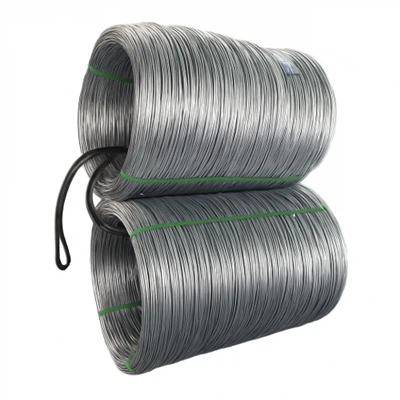
What is the Hafnium Content in Some Stainless Steel Round Bars?
As a seasoned supplier of stainless steel round bars, I often encounter inquiries regarding the composition of these materials, particularly the hafnium content. Hafnium is a lesser - known but significant element in certain alloys, and understanding its presence in stainless steel round bars can provide valuable insights into their properties and applications.
Understanding Hafnium
Hafnium (Hf) is a lustrous, silvery - gray transition metal. It has high corrosion resistance, excellent neutron absorption capabilities, and a high melting point. These properties make it a valuable addition to some alloys, enhancing their performance in specific environments.


In the context of stainless steel, hafnium is not a common alloying element. Stainless steel is primarily an alloy of iron, chromium, and often nickel, with other elements added in varying amounts to achieve specific properties such as corrosion resistance, strength, and formability. However, in some specialized stainless steel grades and related alloys, hafnium may be present.
Hafnium in Stainless Steel Round Bars
-
316 Round Bar
The 316 Round Bar is a widely used stainless steel grade known for its excellent corrosion resistance, especially in marine and chemical environments. Typically, 316 stainless steel is composed of approximately 16 - 18% chromium, 10 - 14% nickel, and 2 - 3% molybdenum. Hafnium is not a standard component of 316 stainless steel. The absence of hafnium in 316 round bars is mainly due to the fact that the standard alloying elements already provide sufficient corrosion resistance and mechanical properties for most applications. The focus in 316 stainless steel is on the combination of chromium, nickel, and molybdenum to form a passive oxide layer that protects the metal from corrosion. -
316L Stainless Steel Round Bar
The 316L Stainless Steel Round Bar is a low - carbon version of 316 stainless steel. The "L" in 316L stands for "low carbon," which helps to prevent carbide precipitation during welding and heat treatment, thus maintaining the corrosion resistance of the material. Similar to 316, hafnium is not a typical alloying element in 316L stainless steel. The emphasis in 316L is on reducing the carbon content to improve weldability and corrosion resistance in welded structures. The standard alloying elements are sufficient to meet the requirements of a wide range of applications, from food processing equipment to architectural structures. -
Inconel 625 Bar Stock
Inconel 625 Bar Stock is a nickel - based superalloy that is often used in high - temperature and high - stress applications. Inconel 625 contains approximately 20 - 23% chromium, 8 - 10% molybdenum, and 3.15 - 4.15% niobium + tantalum. While hafnium is not a major component of Inconel 625, trace amounts of hafnium may be present in some production processes. Hafnium can act as a grain - boundary strengthener and improve the high - temperature creep resistance of the alloy. In high - performance applications such as aerospace and power generation, where materials are exposed to extreme temperatures and stresses, the addition of small amounts of hafnium can enhance the overall performance of the Inconel 625 bar stock.
Factors Affecting Hafnium Content
- Production Process
The production process of stainless steel round bars can influence the presence and amount of hafnium. In some cases, hafnium may be introduced as an impurity during the melting and refining process. For example, if the raw materials used in the production of stainless steel contain trace amounts of hafnium, it may end up in the final product. Additionally, some advanced production techniques may intentionally add hafnium to specific alloys to achieve desired properties. - Application Requirements
The intended application of the stainless steel round bar also plays a role in determining the hafnium content. In applications where high - temperature performance, corrosion resistance in extreme environments, or improved mechanical properties are required, the addition of hafnium may be considered. However, the cost of hafnium is relatively high, so its use is carefully evaluated based on the cost - benefit analysis of the application.
Significance of Hafnium in Stainless Steel
- Improved High - Temperature Performance
As mentioned earlier, hafnium can enhance the high - temperature creep resistance of alloys. In applications such as gas turbine engines, where components are exposed to high temperatures and stresses for extended periods, the addition of hafnium can help to maintain the structural integrity of the material and prevent deformation. - Enhanced Corrosion Resistance
Hafnium can also contribute to the corrosion resistance of stainless steel in certain environments. It can form a protective oxide layer on the surface of the metal, similar to chromium, which helps to prevent the penetration of corrosive agents.
Conclusion
In summary, hafnium is not a common element in most standard stainless steel round bars such as 316 and 316L. However, in specialized alloys like Inconel 625, trace amounts of hafnium may be present, which can significantly improve the high - temperature and mechanical properties of the material. As a supplier of stainless steel round bars, I understand the importance of providing high - quality products that meet the specific requirements of our customers. Whether you need a standard 316 round bar for a general - purpose application or a high - performance Inconel 625 bar stock for a demanding environment, we have the expertise and resources to provide you with the right solution.
If you are interested in purchasing stainless steel round bars or have any questions about their composition and properties, please feel free to contact us. We are more than happy to discuss your requirements and provide you with detailed information and competitive quotes.
References
- ASM Handbook Committee, "ASM Handbook Volume 1: Properties and Selection: Irons, Steels, and High - Performance Alloys," ASM International, 1990.
- Metals Handbook Committee, "Metals Handbook, Volume 3: Alloy Phase Diagrams," American Society for Metals, 1992.
- Wrought Stainless Steel Standards, ASTM International.