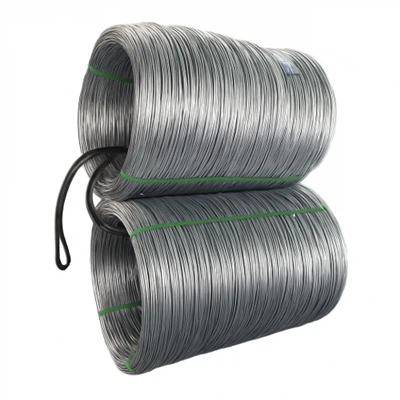
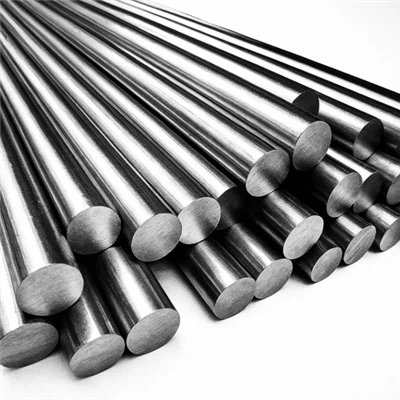
Hey there! I'm a supplier of Standard Angle Bars, and today I'm gonna walk you through the manufacturing processes of these handy metal pieces.
Raw Material Selection
First things first, picking the right raw material is super important. We usually go for high - quality steel for our Standard Angle Bars. The type of steel we choose depends on the specific requirements of the end - product. For example, if the angle bar is going to be used in a corrosive environment, we might opt for stainless steel. Stainless steel has excellent corrosion resistance, which makes it ideal for outdoor applications or places where it'll be exposed to chemicals.
We source our raw materials from reliable suppliers. We check the quality of the steel through various tests, like chemical composition analysis and mechanical property tests. This ensures that the steel we use meets the standards and can be processed into top - notch angle bars.
Heating the Raw Material
Once we've got the right raw material, the next step is to heat it up. We use a furnace to heat the steel to a specific temperature. This temperature is crucial because it affects the malleability of the steel. When the steel is heated to the right temperature, it becomes soft and easier to shape.
The heating process needs to be carefully controlled. If the temperature is too low, the steel won't be malleable enough, and it'll be difficult to form the angle shape. On the other hand, if the temperature is too high, the steel might lose some of its desirable properties. We use advanced temperature sensors and control systems to make sure the heating is just right.
Rolling Process
After the steel is heated, it's time for the rolling process. The heated steel is passed through a series of rolling mills. These mills have different sets of rollers that gradually shape the steel into the angle bar.
The first set of rollers starts to give the steel a rough shape. As the steel moves through the subsequent rollers, the shape becomes more and more defined. The rollers are designed in such a way that they can create the characteristic L - shape of the angle bar.
During the rolling process, we also control the dimensions of the angle bar. We make sure that the thickness, width, and length of the angle bar meet the customer's specifications. This is done by adjusting the pressure and the gap between the rollers.
Cooling
Once the angle bar is formed through rolling, it needs to be cooled down. Cooling is a critical step because it affects the final properties of the angle bar. We use different cooling methods depending on the type of steel and the desired properties of the angle bar.
One common method is air cooling. In air cooling, the angle bar is left to cool in the air at room temperature. This is a relatively slow cooling process, which allows the steel to develop good mechanical properties.
Another method is water quenching. Water quenching is a faster cooling process. It involves immersing the angle bar in water. This can make the steel harder, but it also makes it more brittle. So, we need to be careful when using this method and make sure it's appropriate for the specific application of the angle bar.


Straightening
After cooling, the angle bar might have some slight bends or warps. To ensure that the angle bar is straight and meets the required flatness, we use a straightening machine.
The straightening machine applies pressure to the angle bar at specific points to correct any bends. This process is important because a straight angle bar is easier to install and use in various applications.
Cutting
Once the angle bar is straightened, it's time to cut it to the desired length. We use cutting machines, such as saws or shears, to make the cuts.
The cutting process needs to be precise. We measure the length accurately and make sure that the cut is clean and straight. This ensures that the angle bar can be used directly in construction or other projects without any further adjustments.
Surface Treatment
To enhance the appearance and durability of the angle bar, we often perform surface treatment. One common surface treatment is galvanizing. Galvanizing involves coating the angle bar with a layer of zinc. This zinc coating protects the steel from corrosion.
Another surface treatment option is painting. Painting can not only protect the angle bar but also give it a more aesthetically pleasing look. We can choose different colors of paint depending on the customer's preferences.
Quality Inspection
Before the angle bars are shipped out, we conduct a thorough quality inspection. We check the dimensions, surface finish, and mechanical properties of the angle bars.
We use various measuring tools, such as calipers and micrometers, to check the dimensions. We also perform tests, like hardness tests and tensile tests, to ensure that the angle bars meet the required mechanical properties.
If any angle bar fails the quality inspection, it is either re - worked or discarded. This ensures that only high - quality angle bars are delivered to our customers.
Different Types of Angle Bars
We offer different types of angle bars, such as L Type Angle Bar and Steel Solid Angle Bar. Each type has its own unique characteristics and applications.
The L Type Angle Bar is widely used in construction for framing and support. It provides excellent structural stability and is easy to install.
The Steel Solid Angle Bar, on the other hand, is more suitable for heavy - duty applications. It has a solid structure and can withstand high loads.
If you're interested in our Standard Angle Bar, we'd love to have a chat with you. Whether you're working on a small DIY project or a large - scale construction, we can provide you with the right angle bars to meet your needs. Just reach out to us, and we'll be happy to discuss your requirements and offer you the best solutions.
References
- Metalworking Handbook: A comprehensive guide to metal manufacturing processes.
- Steel Industry Standards and Guidelines: Published by relevant industry organizations.