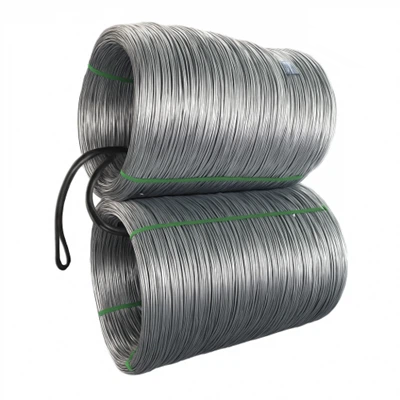
Hey there! As a supplier of stainless steel wire, I've gotten tons of questions about how to cut this stuff. It might seem like a straightforward task, but trust me, there's more to it than meets the eye. In this blog, I'm gonna share some tips and tricks on how to cut stainless steel wire like a pro.


First off, let's talk about why stainless steel wire is so great. It's super durable, resistant to corrosion, and can withstand high temperatures. That's why it's used in so many different applications, from jewelry making to industrial manufacturing. Whether you're a DIY enthusiast or a professional, having the right tools and techniques for cutting stainless steel wire is essential.
Tools You'll Need
Before you start cutting, you gotta have the right tools. Here are some of the most common tools used for cutting stainless steel wire:
- Wire Cutters: These are the most basic tool for cutting wire. There are different types of wire cutters, such as diagonal cutters, end cutters, and flush cutters. Diagonal cutters are great for general cutting, while end cutters are better for cutting close to a surface. Flush cutters are used when you need a clean, flush cut.
- Diamond Wire Saw: If you're dealing with thicker stainless steel wire, a diamond wire saw can be a great option. It uses a thin wire with diamond particles embedded in it to cut through the wire. This tool is more expensive but can handle tougher jobs.
- Angle Grinder: An angle grinder with a cutting wheel can also be used to cut stainless steel wire. It's a powerful tool that can cut through thick wire quickly. However, it can be dangerous if not used properly, so make sure you wear protective gear.
- Hacksaw: A hacksaw is a simple and inexpensive tool that can be used to cut stainless steel wire. It's best for cutting thinner wire and is a good option if you don't have any other tools on hand.
Cutting Techniques
Now that you have the right tools, let's talk about the cutting techniques. Here are some tips to help you cut stainless steel wire effectively:
- Measure and Mark: Before you start cutting, measure the length of wire you need and mark it with a marker or tape. This will ensure that you cut the wire to the right length.
- Secure the Wire: To prevent the wire from moving while you're cutting, secure it in a vise or clamp. This will make the cutting process easier and more accurate.
- Use the Right Pressure: When using wire cutters, apply steady pressure to the handles. Don't try to force the cut, as this can damage the wire cutters or cause the wire to break unevenly.
- Cut at a 90-Degree Angle: For a clean and straight cut, make sure you cut the wire at a 90-degree angle. This will prevent the wire from fraying or bending.
- Take Breaks: Cutting stainless steel wire can be tough on your hands, especially if you're using manual tools. Take breaks every few cuts to rest your hands and prevent fatigue.
Different Types of Stainless Steel Wire
There are different types of stainless steel wire available, each with its own unique properties and characteristics. Here are some of the most common types of stainless steel wire:
- 304L Annealed Stainless Steel Wire: This type of wire is made from 304L stainless steel and is annealed to make it more flexible and easier to work with. It's commonly used in jewelry making, wire mesh, and other applications.
- Stainless Steel 1.4529, Alloy 926, UNS N08926: This is a high-alloy stainless steel wire that offers excellent corrosion resistance in a wide range of environments. It's commonly used in chemical processing, marine, and other industrial applications.
- 304 Stainless Steel Spring Wire: This type of wire is made from 304 stainless steel and is designed to be used in spring applications. It has good elasticity and can withstand repeated bending and stretching.
Safety Precautions
Cutting stainless steel wire can be dangerous if not done properly. Here are some safety precautions to keep in mind:
- Wear Protective Gear: Always wear safety glasses, gloves, and a dust mask when cutting stainless steel wire. This will protect your eyes, hands, and lungs from flying debris and dust.
- Use the Right Tools: Make sure you use the right tools for the job. Using the wrong tool can damage the wire or cause injury.
- Follow the Manufacturer's Instructions: When using power tools, such as an angle grinder or diamond wire saw, follow the manufacturer's instructions carefully. This will ensure that you use the tool safely and effectively.
- Keep the Work Area Clean: After cutting the wire, clean up the work area to remove any debris or sharp edges. This will prevent accidents and injuries.
Conclusion
Cutting stainless steel wire doesn't have to be a difficult or intimidating task. With the right tools, techniques, and safety precautions, you can cut stainless steel wire like a pro. Whether you're a DIY enthusiast or a professional, having the knowledge and skills to cut stainless steel wire will come in handy in many different situations.
If you're in the market for high-quality stainless steel wire, look no further. We're a leading supplier of stainless steel wire, offering a wide range of products to meet your needs. From 304L Annealed Stainless Steel Wire to Stainless Steel 1.4529, Alloy 926, UNS N08926 and 304 Stainless Steel Spring Wire, we've got you covered.
If you have any questions or would like to discuss your specific requirements, feel free to reach out. We're here to help you find the perfect stainless steel wire for your project.
References
- "Stainless Steel Wire: Properties, Applications, and Processing." ASM International Handbook Committee, ASM International, 2004.
- "Cutting Tools for Stainless Steel." Industrial Cutting Tools Association, 2018.