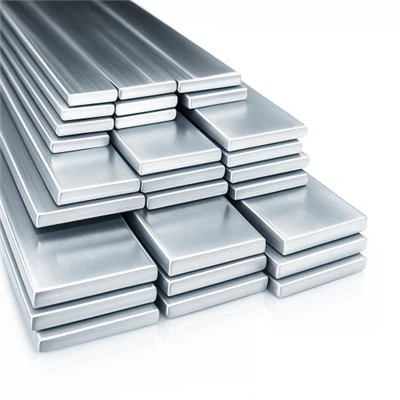
Dimensional tolerance is a critical aspect when it comes to Inconel 625 bar stock. As a trusted supplier of Inconel 625 Bar Stock, understanding the importance of dimensional tolerance and its implications can significantly impact the performance and usability of the product.
Inconel 625 is a nickel - chromium - molybdenum alloy known for its excellent corrosion resistance, high strength, and good fabricability. It is used in a wide range of applications, including aerospace, chemical processing, and marine engineering. The dimensional tolerance of the bar stock determines how closely the actual dimensions of the bar match the specified dimensions.
Understanding Dimensional Tolerance
Dimensional tolerance refers to the allowable variation in the dimensions of a manufactured part from its nominal or specified size. In the case of Inconel 625 bar stock, this includes variations in diameter, length, and straightness. Tolerances are specified because it is virtually impossible to manufacture a bar with exact dimensions every time. There are always small variations due to factors such as manufacturing processes, equipment limitations, and material properties.
For example, if the specified diameter of an Inconel 625 bar is 25 mm with a tolerance of ±0.1 mm, the actual diameter of the bar can range from 24.9 mm to 25.1 mm and still be considered acceptable. These tolerances are crucial as they ensure that the bar can fit into the intended application without any issues. If the bar is too large, it may not fit into the machinery or assembly where it is supposed to be used. On the other hand, if it is too small, it may not provide the required strength or stability, leading to potential failures.
Factors Affecting Dimensional Tolerance
Several factors influence the dimensional tolerance of Inconel 625 bar stock.
Manufacturing Process
The method used to produce the bar stock has a significant impact on the achievable tolerance. For instance, hot - rolling is a common process for making Inconel 625 bars. During hot - rolling, the material is heated to a high temperature and passed through a series of rollers to reduce its cross - section and increase its length. This process can introduce some variations in dimensions due to uneven heating, cooling, and the forces applied during rolling.


Cold - drawing is another process that can be used to improve dimensional accuracy. In cold - drawing, the bar is pulled through a die at room temperature, which can result in more precise dimensions and a better surface finish. However, cold - drawing is generally more expensive and may not be suitable for all applications.
Material Properties
The inherent properties of Inconel 625 also play a role in dimensional tolerance. The alloy's high strength and hardness can make it more difficult to machine to tight tolerances compared to some other materials. Additionally, Inconel 625 has a relatively high coefficient of thermal expansion, which means that changes in temperature can cause the bar to expand or contract. This thermal behavior needs to be considered when specifying the dimensional tolerance, especially for applications where the bar will be exposed to significant temperature variations.
Equipment Precision
The precision of the manufacturing equipment used to produce the bar stock is crucial. High - quality machinery with advanced control systems can produce bars with tighter tolerances. For example, modern CNC (Computer Numerical Control) machines can be programmed to achieve very precise dimensions, reducing the margin of error. However, even the most precise equipment has its limitations, and regular maintenance and calibration are required to ensure consistent dimensional accuracy.
Standard Dimensional Tolerances for Inconel 625 Bar Stock
There are industry standards that define the acceptable dimensional tolerances for Inconel 625 bar stock. These standards are developed by organizations such as ASTM (American Society for Testing and Materials) and ISO (International Organization for Standardization).
ASTM B446 is a widely recognized standard for nickel - chromium - molybdenum alloy (Inconel 625) bar and wire. It specifies the chemical composition, mechanical properties, and dimensional tolerances for Inconel 625 products. According to ASTM B446, the diameter tolerance for round bars can range from ±0.13 mm for small - diameter bars (less than 6.35 mm) to ±0.76 mm for larger - diameter bars (greater than 50.8 mm).
Length tolerances are also specified in the standard. For cut lengths, the tolerance is typically ±6.35 mm, but this can vary depending on the specific requirements of the customer. Straightness tolerances are important, especially for applications where the bar needs to be used in a straight configuration. ASTM B446 generally allows a maximum deviation from straightness of 0.79 mm per meter of length.
Importance of Meeting Dimensional Tolerances
Meeting the specified dimensional tolerances is of utmost importance for several reasons.
Compatibility
As mentioned earlier, proper dimensional tolerance ensures that the Inconel 625 bar stock is compatible with the intended application. In aerospace applications, for example, components need to fit together precisely to ensure the safety and performance of the aircraft. A bar with incorrect dimensions could lead to misalignment, which may cause mechanical failures or affect the overall aerodynamics of the aircraft.
Performance
The performance of Inconel 625 bar stock is directly related to its dimensions. In chemical processing equipment, the bar may be used as a structural component or a part of a piping system. If the bar does not meet the dimensional requirements, it may not be able to withstand the pressure and chemical corrosion as intended, leading to premature failure and costly repairs or replacements.
Cost - Effectiveness
Meeting the dimensional tolerances can also be cost - effective. While it may be more expensive to produce bars with tighter tolerances, the cost of rework or rejection due to non - compliant dimensions can be much higher. By ensuring that the bars meet the required tolerances from the start, manufacturers can avoid unnecessary costs and delays in the production process.
Comparison with Other Bar Stocks
When considering Inconel 625 bar stock, it can be useful to compare its dimensional tolerances with those of other similar bar stocks, such as 304 Stainless Steel Round Bar and Alloy 925 Round Bar.
304 stainless steel is a widely used material known for its good corrosion resistance and relatively low cost. The dimensional tolerances for 304 stainless steel round bars are also defined by ASTM standards, such as ASTM A276. Generally, the tolerances for 304 stainless steel bars are similar to those of Inconel 625 bars, but the achievable precision may be different due to the differences in material properties and manufacturing processes.
Alloy 925 is a nickel - based alloy with excellent corrosion resistance and high strength. Similar to Inconel 625, it is used in demanding applications. The dimensional tolerances for Alloy 925 round bars are also subject to industry standards, and they are often comparable to those of Inconel 625. However, the specific tolerances may vary depending on the manufacturer and the intended application.
Our Commitment as a Supplier
As a supplier of Inconel 625 bar stock, we are committed to providing products that meet the highest standards of dimensional accuracy. We use state - of - the - art manufacturing equipment and strict quality control processes to ensure that our bars meet or exceed the industry - specified dimensional tolerances.
Our team of experts is available to assist customers in selecting the right bar stock with the appropriate dimensional tolerances for their specific applications. We understand that different industries have different requirements, and we are dedicated to providing customized solutions to meet those needs.
Contact Us for Procurement
If you are in the market for high - quality Inconel 625 bar stock with precise dimensional tolerances, we invite you to contact us for a detailed discussion. Our experienced sales team can provide you with more information about our products, pricing, and delivery options. We look forward to working with you to meet your procurement needs.
References
- ASTM B446: Standard Specification for Nickel - Chromium - Molybdenum Alloy (UNS N06625) Rod, Bar, and Wire
- ASTM A276: Standard Specification for Stainless Steel Bars and Shapes