As a supplier of Metal U Shaped Channel, ensuring the quality of our products upon delivery is of utmost importance. In this blog, I will share some practical methods on how to check the quality of Metal U Shaped Channel when it arrives at your site.
1. Visual Inspection
The first step in quality checking is a thorough visual inspection. This can help you quickly identify any obvious defects on the surface of the Metal U Shaped Channel.
Surface Defects
Look for scratches, dents, and cracks on the surface of the channel. Scratches can not only affect the aesthetic appearance but also potentially weaken the structural integrity of the channel over time. Dents may indicate improper handling during transportation or manufacturing issues. Cracks are a serious concern as they can lead to the failure of the channel under stress.
For instance, if you notice a long scratch on the surface of a U Shaped Stainless Steel Channel, it might have occurred during the handling process. If the scratch is deep, it could compromise the corrosion - resistance of the stainless - steel material.
Surface Finish
Check the surface finish of the channel. A smooth and uniform finish is a sign of good quality. For Polished Stainless Steel Channel, the polish should be consistent across the entire surface. Any unevenness in the polish may indicate a problem in the manufacturing process.
2. Dimensional Accuracy
Accurate dimensions are crucial for the proper installation and functionality of the Metal U Shaped Channel.
Width and Depth
Measure the width and depth of the U - shaped channel using appropriate measuring tools such as calipers or micrometers. The measured values should match the specifications provided by the supplier. Even a small deviation in dimensions can cause problems during installation, such as poor fit with other components.
For example, if the width of the channel is slightly larger than specified, it may not fit properly into the intended slot, leading to instability. On the other hand, if it is too small, there may be gaps that can affect the overall performance.
Length
Check the length of the channel. It should be within the tolerance range specified. Inconsistent lengths can lead to difficulties in assembly and may result in an uneven final product.
3. Material Quality
The quality of the material used in the Metal U Shaped Channel is a key factor in determining its performance and durability.
Material Grade
Verify the material grade of the channel. Different applications may require different grades of metal. For example, in applications where corrosion resistance is crucial, stainless - steel channels are often used. You can request the material certificate from the supplier to confirm the grade.
For Stainless Steel Channel Sections, the grade of stainless steel should be clearly stated. A higher - grade stainless steel will have better corrosion resistance and mechanical properties.
Hardness and Strength
You can use hardness testing equipment to check the hardness of the channel. A proper hardness level is essential for the channel to withstand the expected loads. If the channel is too soft, it may deform easily under stress; if it is too hard, it may be brittle and prone to cracking.
4. Straightness and Flatness
The straightness and flatness of the Metal U Shaped Channel are important for its proper installation and functionality.
Straightness
Check if the channel is straight. Any curvature or bending can cause problems during installation and may affect the performance of the final product. You can use a straightedge to check the straightness along the length of the channel.
Flatness
Inspect the flatness of the sides and bottom of the U - shaped channel. Uneven surfaces can lead to poor contact with other components and may cause instability.
5. Edge Quality
The quality of the edges of the Metal U Shaped Channel is also an important aspect to consider.
Burrs and Sharp Edges
Look for burrs and sharp edges on the channel. Burrs can be a safety hazard during handling and installation, and they can also affect the fit of the channel with other parts. Sharp edges may cause injury to workers and can also damage other components.
Chamfering
Some channels may have chamfered edges for better handling and to prevent damage. Check if the chamfering is done properly and if it meets the specified requirements.
6. Packaging and Marking
The packaging and marking of the Metal U Shaped Channel can also provide some clues about its quality.
Packaging
The channel should be properly packaged to protect it during transportation. Look for signs of damage to the packaging, as this may indicate that the channel inside has been damaged as well.
Marking
Check the markings on the channel. The markings should include information such as the material grade, dimensions, and manufacturer's logo. Clear and accurate markings are a sign of a professional and reliable supplier.
7. Testing and Sampling
In some cases, it may be necessary to conduct more in - depth testing. You can take samples from the delivered Metal U Shaped Channel for laboratory testing.
Chemical Analysis
A chemical analysis can be performed to confirm the composition of the material. This can help ensure that the channel is made of the correct material and that it meets the required standards.
Mechanical Testing
Mechanical tests such as tensile testing and impact testing can be carried out to evaluate the strength and toughness of the channel. These tests can provide valuable information about the performance of the channel under different conditions.
Conclusion
Checking the quality of Metal U Shaped Channel upon delivery is a comprehensive process that involves visual inspection, dimensional measurement, material analysis, and other aspects. By following these steps, you can ensure that the channels you receive meet your quality requirements.

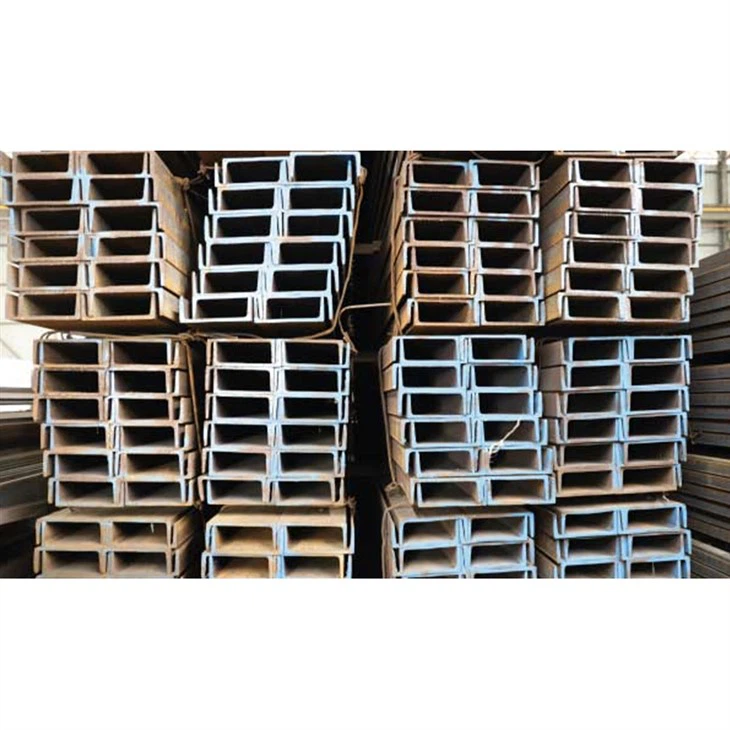
If you are in the market for high - quality Metal U Shaped Channel, we are here to provide you with top - notch products. We understand the importance of quality and are committed to delivering products that meet the highest standards. Contact us for more information and to discuss your procurement needs. We look forward to working with you.
References
- ASTM International standards for metal channels
- Industry best practices for quality control of metal products