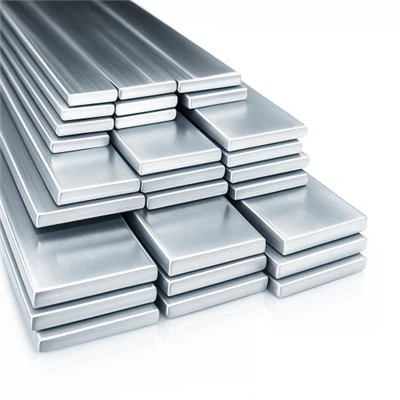
Hey there! As a supplier of standard angle bars, I often get asked about how to check the quality of these products. Today, I'm gonna share some practical tips on this topic.
1. Visual Inspection
The first step in checking the quality of standard angle bars is a simple visual inspection. You want to take a good look at the surface of the angle bar. It should be smooth and free from any visible cracks, scratches, or pits. Rust is also a big no - no. If you see any signs of rust, it could indicate that the angle bar has been exposed to moisture or that the protective coating has been damaged.


For example, when you're looking at a Stainless Steel 304 Angle Bar, it should have that characteristic shiny finish. Any dull spots or discoloration might suggest a problem with the material or the manufacturing process.
2. Dimensional Accuracy
Accurate dimensions are crucial for standard angle bars. You need to measure the length, width, and thickness of the angle bar using a reliable measuring tool like a caliper or a micrometer. The dimensions should match the specifications provided by the manufacturer.
If the angle bar is supposed to be a certain length, say 6 meters, it should be within an acceptable tolerance range. A deviation from the standard dimensions can cause issues during installation and may affect the overall performance of the structure where the angle bar is used. For instance, if the width of the angle bar is too narrow, it might not fit properly with other components.
3. Material Composition
Knowing the material composition of the angle bar is essential. Different types of angle bars are made from various materials, such as stainless steel, carbon steel, etc. You can use a material testing kit or send a sample to a laboratory for analysis.
For Stainless Steel 304 Angle Bar, it should contain the right percentage of elements like chromium and nickel. These elements give stainless steel its corrosion - resistant properties. If the material composition is off, the angle bar may not have the expected strength and durability.
4. Hardness Testing
Hardness is an important property of angle bars. You can use a hardness tester to check the hardness of the angle bar. A proper hardness level ensures that the angle bar can withstand the loads and stresses it will be subjected to.
If the angle bar is too soft, it may deform easily under pressure. On the other hand, if it's too hard, it could be brittle and prone to cracking. For example, a Steel Solid Angle Bar should have a hardness that is appropriate for its intended use.
5. Weld Quality (if applicable)
If the angle bar has been welded, you need to check the quality of the weld. The weld should be smooth and free from porosity, cracks, or any other defects. A good weld should have a consistent bead and proper penetration.
You can use non - destructive testing methods like ultrasonic testing or magnetic particle testing to detect any hidden flaws in the weld. For Welding Angle Bar, ensuring high - quality welds is crucial for the overall strength and integrity of the product.
6. Straightness
The angle bar should be straight. You can use a straightedge to check for any bowing or curvature. A bent angle bar can cause problems during installation and may not provide the intended support.
If you notice any significant deviation from straightness, it could be a sign of poor manufacturing or handling. For example, if the angle bar has been mishandled during transportation, it might get bent.
7. Surface Finish
The surface finish of the angle bar can also tell you a lot about its quality. A good surface finish not only looks better but also provides better corrosion resistance. You can run your hand over the surface to feel for any roughness or unevenness.
A smooth surface finish is especially important for angle bars that will be used in applications where appearance matters, such as architectural projects.
8. Documentation and Certifications
Always ask for the documentation and certifications related to the angle bar. This includes material certificates, test reports, and quality control documents. These documents provide evidence that the angle bar meets the required standards and specifications.
If a supplier can't provide proper documentation, it could be a red flag. You want to make sure that the angle bar you're buying has been tested and approved for its intended use.
Why Choose Our Standard Angle Bars
At our company, we take quality seriously. We ensure that all our standard angle bars go through a rigorous quality control process. Our products are made from high - quality materials and are manufactured to meet the highest industry standards.
We offer a wide range of angle bars, including Welding Angle Bar, Stainless Steel 304 Angle Bar, and Steel Solid Angle Bar. Whether you need angle bars for construction, manufacturing, or any other application, we've got you covered.
If you're in the market for high - quality standard angle bars, don't hesitate to get in touch with us. We're here to help you find the right product for your needs. Contact us today to start your procurement process and let's work together to build great projects!
References
- ASTM International standards for angle bars
- Metal industry handbooks on material testing and quality control