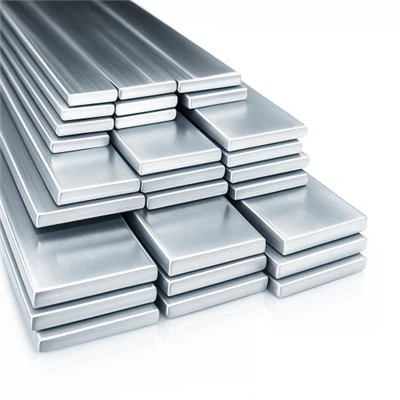
Hey there! As a supplier of Stainless Flat Wire, I often get asked about the differences between 304 and 316 stainless flat wire. These two types of stainless steel are super popular in the industry, but they've got some distinct properties that can make a big difference in your projects. So, let's dive in and take a closer look at what sets them apart.
Chemical Composition
First off, let's talk about what's inside these wires. The chemical makeup of 304 and 316 stainless steel is where a lot of their differences stem from.
304 stainless steel is mainly composed of iron, with about 18% chromium and 8% nickel. This combination gives it a good amount of corrosion resistance and makes it a go - to choice for many general applications. The chromium forms a thin, protective oxide layer on the surface of the wire, which helps prevent rust and other forms of corrosion.
On the other hand, 316 stainless steel has a similar base of iron, but it also contains about 2 - 3% molybdenum in addition to 16 - 18% chromium and 10 - 14% nickel. The molybdenum is the key here. It significantly enhances the steel's resistance to pitting and crevice corrosion, especially in environments where chlorides are present, like near the ocean or in some industrial settings.


Corrosion Resistance
When it comes to corrosion resistance, 316 stainless flat wire definitely has an edge over 304. As I mentioned, the molybdenum in 316 makes it much more resistant to pitting and crevice corrosion caused by chlorides. So, if your project is going to be exposed to saltwater, chemicals, or other harsh environments, 316 is the way to go.
For example, if you're using the wire for outdoor marine applications, such as railing on a boat or a dock, 316 will hold up much better over time. It won't rust or corrode as quickly as 304 would in the same conditions.
However, 304 is still a great choice for less corrosive environments. It's commonly used in food processing equipment, kitchen appliances, and general architectural applications. In these settings, the normal levels of moisture and mild chemicals won't cause significant corrosion issues for 304 stainless flat wire.
Strength and Durability
In terms of strength, both 304 and 316 stainless flat wire are pretty tough. They have similar tensile strengths, which means they can withstand a good amount of pulling force without breaking.
But when it comes to durability in different environments, 316 takes the lead again. The enhanced corrosion resistance of 316 means that it will last longer in harsh conditions. Over time, corrosion can weaken the wire, making it more prone to breaking or failing. Since 316 resists corrosion better, it maintains its strength and integrity for a longer period.
304 is also durable in normal conditions, but if it's exposed to corrosive elements for an extended time, its strength can start to degrade. So, for long - term projects or those in tough environments, 316 is the more reliable option.
Weldability
Weldability is an important factor, especially if you're planning to join the wire in your project. Both 304 and 316 stainless flat wire are weldable, but there are some differences to keep in mind.
304 is generally easier to weld. It has a lower carbon content compared to some other stainless steels, which reduces the risk of carbide precipitation during welding. Carbide precipitation can lead to corrosion in the welded area. When welding 304, you can use common welding methods like TIG (Tungsten Inert Gas) or MIG (Metal Inert Gas) welding. And if you need welding wire, 304H Welding Wire is a good choice.
316 is also weldable, but it requires a bit more care. The molybdenum in 316 can make the welding process a bit more complex. You need to use the right welding techniques and filler metals to ensure a strong and corrosion - resistant weld. For 316, 317L Stainless Steel Welding Wire is often recommended as it has a similar chemical composition and can provide good results.
Cost
Cost is always a consideration when choosing materials for your project. Generally, 316 stainless flat wire is more expensive than 304. The additional molybdenum and higher nickel content in 316 drive up the cost of production.
So, if your project doesn't require the enhanced corrosion resistance of 316, using 304 can save you some money. But if corrosion is a major concern, the extra cost of 316 might be worth it in the long run, as you'll avoid the need for frequent replacements due to corrosion.
Applications
The properties of 304 and 316 stainless flat wire determine their ideal applications.
304 is widely used in the food and beverage industry. It's used to make conveyor belts, storage tanks, and processing equipment because it's corrosion - resistant enough for normal food - related environments and is relatively easy to clean. It's also a popular choice for architectural applications like decorative trim and handrails in buildings.
316, on the other hand, is the go - to for marine applications, chemical processing plants, and medical equipment. In marine settings, its superior corrosion resistance ensures that it can withstand the constant exposure to saltwater. In chemical plants, it can handle the harsh chemicals without corroding. And in medical equipment, its durability and resistance to corrosion are crucial for maintaining a sterile and reliable environment.
Conclusion
So, there you have it! The main differences between 304 and 316 stainless flat wire come down to their chemical composition, corrosion resistance, strength, weldability, cost, and applications. If you're working in a normal, non - corrosive environment and looking to save some money, 304 is a great option. But if your project is going to be exposed to harsh conditions, especially those with chlorides, 316 is the better choice.
As a supplier of Stainless Flat Wire, I'm here to help you make the right decision for your project. Whether you need 304 or 316, we've got you covered. If you're interested in purchasing our stainless flat wire or have any questions, feel free to reach out and start a conversation. We can discuss your specific needs and find the best solution for you.
References
- ASM Handbook Committee. (2004). ASM Handbook, Volume 13A: Corrosion: Fundamentals, Testing, and Protection. ASM International.
- Degarmo, E. P., Black, J. T., & Kohser, R. A. (2003). Materials and Processes in Manufacturing. John Wiley & Sons.