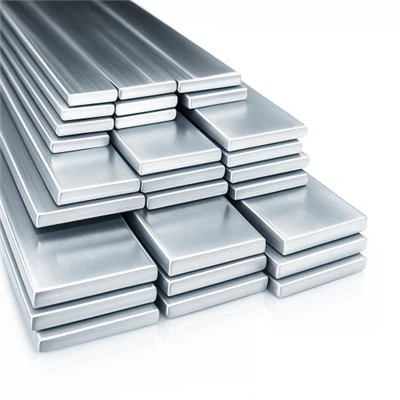
Can stainless steel flat bar be machined? This is a question that often comes up among professionals in various industries, from construction to manufacturing. As a trusted supplier of stainless steel flat bars, I'm here to provide you with a comprehensive answer.
Stainless steel flat bars are a versatile and widely used material due to their excellent corrosion resistance, high strength, and aesthetic appeal. But can they be machined? The short answer is yes. However, there are several factors to consider when machining stainless steel flat bars.
Machinability of Stainless Steel Flat Bars
Stainless steel flat bars can be machined using a variety of processes, including turning, milling, drilling, and grinding. However, compared to some other metals, stainless steel can be more challenging to machine. This is primarily because of its high strength, work - hardening characteristics, and low thermal conductivity.
Work - Hardening
Stainless steel has a tendency to work - harden during machining. As the cutting tool interacts with the material, the surface layer of the stainless steel flat bar can become harder, which can lead to increased tool wear and reduced machining efficiency. To mitigate this, it's important to use sharp cutting tools and appropriate cutting speeds and feeds.
Thermal Conductivity
The low thermal conductivity of stainless steel means that heat generated during machining is not dissipated quickly. This can cause the cutting tool to overheat, leading to premature tool failure. Coolants and lubricants are essential when machining stainless steel flat bars to reduce heat and friction.
Machining Processes for Stainless Steel Flat Bars
Turning
Turning is a common machining process used to create cylindrical shapes from stainless steel flat bars. In turning, the bar is rotated while a cutting tool removes material from the outer surface. When turning stainless steel flat bars, it's crucial to use a carbide - tipped cutting tool and a slow cutting speed to prevent work - hardening.
Milling
Milling is used to create flat surfaces, slots, and contours on stainless steel flat bars. High - speed steel or carbide end mills are typically used for milling. The cutting speed and feed rate need to be carefully adjusted to avoid excessive tool wear. For example, when milling a 316 Stainless Steel Flat Bar, which is known for its excellent corrosion resistance, a coolant should be applied continuously to keep the temperature down.
Drilling
Drilling holes in stainless steel flat bars can be challenging due to the material's hardness. Cobalt - high - speed steel or carbide drills are recommended. The drill bit should be sharp, and a slow feed rate should be used to prevent the drill from overheating and breaking. Lubricants are also necessary to reduce friction and improve the quality of the drilled holes.
Grinding
Grinding is used to achieve a smooth surface finish on stainless steel flat bars. Abrasive wheels are used to remove small amounts of material. When grinding, it's important to control the grinding pressure and speed to avoid overheating the material, which can cause discoloration and affect the material's properties.
Factors Affecting Machinability
Chemical Composition
The chemical composition of the stainless steel flat bar can significantly affect its machinability. For example, 304 Stainless Steel Flat Bar contains chromium and nickel, which provide good corrosion resistance but can also make it more difficult to machine compared to some other grades. On the other hand, free - machining stainless steels are formulated with additives such as sulfur or selenium to improve machinability.


Heat Treatment
Heat treatment can alter the mechanical properties of the stainless steel flat bar, which in turn affects its machinability. Annealed stainless steel is generally easier to machine than hardened or tempered stainless steel. If a higher level of machinability is required, an annealed stainless steel flat bar may be a better choice.
Tips for Successful Machining of Stainless Steel Flat Bars
- Use the Right Tools: As mentioned earlier, sharp carbide or high - speed steel cutting tools are essential for machining stainless steel flat bars.
- Optimize Cutting Parameters: Cutting speed, feed rate, and depth of cut need to be carefully adjusted based on the specific grade of stainless steel and the machining process.
- Apply Coolants and Lubricants: Coolants and lubricants reduce heat and friction, extend tool life, and improve the surface finish of the machined part.
- Inspect the Tools Regularly: Regularly inspecting the cutting tools for wear and damage can help prevent poor machining quality and tool breakage.
Applications of Machined Stainless Steel Flat Bars
Machined stainless steel flat bars are used in a wide range of applications. In the construction industry, they can be used for architectural features, structural support, and handrails. In the manufacturing industry, they are used to make machine parts, fixtures, and tooling. A Polished Stainless Steel Flat Bar is often used in applications where aesthetics are important, such as in the food and beverage industry or in decorative applications.
Conclusion
In conclusion, stainless steel flat bars can be machined, but it requires careful consideration of the material's properties and the use of appropriate machining techniques and tools. Whether you're a manufacturer looking to create precision parts or a contractor in need of custom - machined stainless steel components, understanding the machinability of stainless steel flat bars is essential.
As a supplier of high - quality stainless steel flat bars, we are committed to providing you with the best products and technical support. If you have any questions about machining our stainless steel flat bars or if you're interested in purchasing our products, please feel free to contact us for a detailed consultation. We look forward to working with you to meet your specific needs.
References
- ASM Handbook, Volume 16: Machining, ASM International
- Tooling and Machining Data Handbook, Kennametal Inc.
- Stainless Steel: A Guide to Selection and Application, The Nickel Institute