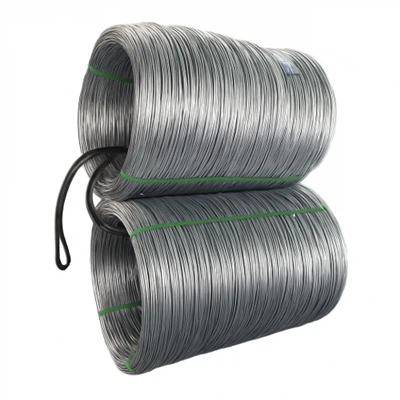
Stainless flat wire is a versatile and widely used material in various industries, from automotive to electronics, due to its unique properties such as high strength, corrosion resistance, and good formability. One of the critical concerns when using stainless flat wire is its resistance to intergranular corrosion. In this blog post, as a stainless flat wire supplier, I will delve into the topic of whether stainless flat wire is resistant to intergranular corrosion, exploring the factors that influence this resistance and providing insights into how to ensure the long - term performance of our products.
Understanding Intergranular Corrosion
Intergranular corrosion (IGC) is a type of corrosion that occurs along the grain boundaries of a metal. In stainless steel, this phenomenon is often associated with the precipitation of chromium carbides at the grain boundaries. When stainless steel is heated in a specific temperature range (usually between 425°C and 815°C, known as the sensitization range), carbon in the steel combines with chromium to form chromium carbides. This process depletes the chromium content in the areas adjacent to the grain boundaries, reducing the corrosion resistance of these regions. As a result, the grain boundaries become more susceptible to corrosion, leading to intergranular corrosion.
Factors Affecting the Resistance of Stainless Flat Wire to Intergranular Corrosion
Chemical Composition
The chemical composition of stainless flat wire plays a crucial role in its resistance to intergranular corrosion. Chromium is the primary element that provides stainless steel with its corrosion - resistant properties. A higher chromium content generally enhances the resistance to IGC. For example, 316 Stainless Steel Spring Wire contains molybdenum in addition to chromium and nickel. Molybdenum further improves the corrosion resistance, especially in chloride - containing environments, and helps prevent intergranular corrosion.
On the other hand, carbon content is also a significant factor. High carbon content increases the risk of chromium carbide precipitation and subsequent intergranular corrosion. Low - carbon grades of stainless steel, such as 304L and 316L, are designed to minimize the risk of IGC. The "L" in these grades stands for low carbon, which reduces the likelihood of chromium carbide formation during heat treatment.
Heat Treatment
Heat treatment processes can have a profound impact on the susceptibility of stainless flat wire to intergranular corrosion. If the wire is heated within the sensitization range during manufacturing or in service, it may become sensitized and prone to IGC. However, proper heat treatment can also be used to mitigate this risk. Solution annealing is a common heat treatment method for stainless steel. It involves heating the wire to a high temperature (usually above 1000°C) and then rapidly cooling it. This process dissolves the chromium carbides and redistributes the chromium evenly throughout the material, restoring its corrosion resistance.


Surface Condition
The surface condition of the stainless flat wire can also affect its resistance to intergranular corrosion. A smooth and clean surface is less likely to accumulate corrosive agents and provides better protection against IGC. Surface contaminants, such as dirt, grease, or metal particles, can act as sites for corrosion initiation. Therefore, proper cleaning and passivation of the wire surface are essential. Passivation is a chemical treatment that removes free iron from the surface and forms a protective oxide layer, enhancing the corrosion resistance of the wire.
Testing the Resistance to Intergranular Corrosion
There are several standard tests available to evaluate the resistance of stainless flat wire to intergranular corrosion. One of the most commonly used tests is the ASTM A262 Practice E test, also known as the Strauss test. In this test, a sample of the wire is immersed in a boiling solution of sulfuric acid and copper sulfate for a specified period. After the test, the sample is examined for signs of intergranular corrosion, such as surface cracking or pitting.
Another test is the ASTM A262 Practice C test, which involves exposing the sample to a boiling solution of nitric acid for multiple cycles. This test is more severe and can detect even small degrees of intergranular corrosion. These tests provide valuable information about the quality and corrosion resistance of the stainless flat wire, allowing us to ensure that our products meet the required standards.
Our Commitment to High - Quality Stainless Flat Wire
As a stainless flat wire supplier, we are committed to providing our customers with products that have excellent resistance to intergranular corrosion. We carefully select the raw materials, ensuring that they have the appropriate chemical composition and meet the required quality standards. Our manufacturing processes are designed to minimize the risk of sensitization and ensure the consistent quality of the wire.
We also perform rigorous quality control tests, including intergranular corrosion tests, on our products. This allows us to identify any potential issues early and take corrective actions to ensure that our stainless flat wire meets or exceeds the expectations of our customers.
In addition to 316 Stainless Steel Spring Wire, we also offer 403 Stainless Steel Spring Wire and 304 Stainless Steel Spring Wire. Each of these grades has its unique properties and is suitable for different applications. For example, 304 stainless steel is widely used in general - purpose applications due to its good corrosion resistance and relatively low cost, while 316 stainless steel is preferred in more corrosive environments, such as marine applications.
Conclusion and Call to Action
In conclusion, stainless flat wire can be resistant to intergranular corrosion if the appropriate measures are taken. By carefully controlling the chemical composition, heat treatment, and surface condition, we can ensure that our products have excellent corrosion resistance and long - term performance.
If you are in need of high - quality stainless flat wire for your project, we invite you to contact us for a detailed discussion. Our team of experts is ready to provide you with the best solutions and support to meet your specific requirements. Whether you need 316 Stainless Steel Spring Wire, 403 Stainless Steel Spring Wire, or 304 Stainless Steel Spring Wire, we have the expertise and resources to deliver the right product for you.
References
- ASTM International. ASTM A262 - 15(2020) Standard Practices for Detecting Susceptibility to Intergranular Corrosion in Austenitic Stainless Steels.
- ASM Handbook, Volume 13A: Corrosion: Fundamentals, Testing, and Protection. ASM International.
- Metals Handbook Desk Edition, 3rd Edition. ASM International.