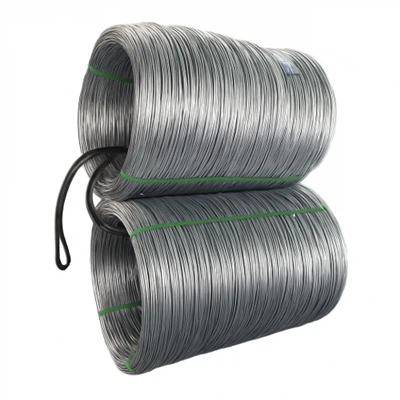
As a supplier of 420 stainless steel wire, I am acutely aware of the environmental implications associated with its production and use. In an era where sustainability is not just a buzzword but a necessity, it is our responsibility to explore ways to minimize the environmental impact of using 420 stainless steel wire. This blog post aims to provide practical strategies and insights to achieve this goal.
Understanding the Environmental Impact of 420 Stainless Steel Wire
Before delving into solutions, it is crucial to understand the environmental challenges associated with 420 stainless steel wire. The production of stainless steel involves energy - intensive processes such as mining, smelting, and refining. These processes consume large amounts of fossil fuels, leading to significant greenhouse gas emissions. Additionally, the extraction of raw materials can cause habitat destruction, soil erosion, and water pollution.
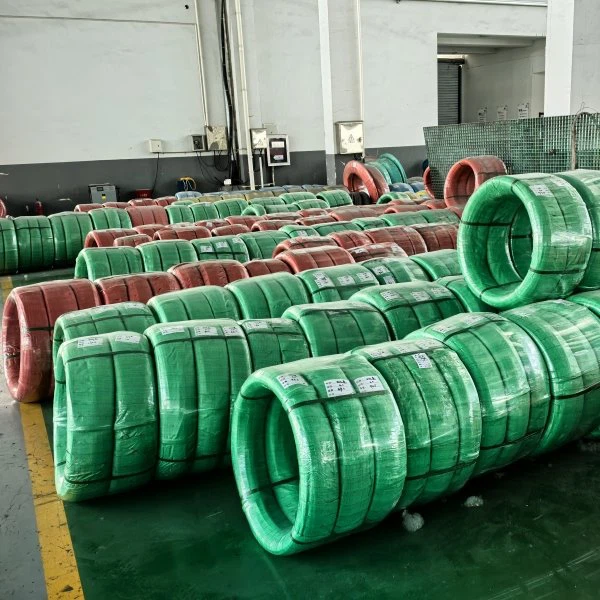

During the use phase, 420 stainless steel wire may be subject to corrosion in certain environments, which can lead to the release of metal ions into the environment. Improper disposal of used wire can also contribute to landfill waste and potential leaching of harmful substances.
Strategies to Reduce Environmental Impact
1. Optimize Production Processes
- Energy Efficiency: Implement energy - efficient technologies in the production of 420 stainless steel wire. This can include using advanced furnaces with high thermal efficiency, optimizing the heating and cooling cycles, and recovering waste heat for other processes. For example, some modern steel plants use regenerative burners that can pre - heat the combustion air, reducing the overall energy consumption.
- Recycling and Reuse: Encourage the recycling of scrap 420 stainless steel wire. Recycling not only reduces the demand for virgin raw materials but also consumes less energy compared to primary production. By establishing a closed - loop recycling system, we can minimize waste and conserve natural resources. For instance, we can collect used wire from customers and process it back into new products.
2. Improve Product Design
- Long - Lasting and Durable Design: Design 420 stainless steel wire products to be more durable and resistant to corrosion. This can be achieved through proper alloying, surface treatment, and heat treatment processes. A longer lifespan means less frequent replacement, reducing the overall environmental impact associated with production and disposal. For example, applying a protective coating to the wire can enhance its corrosion resistance.
- Modular and Adaptable Design: Create wire products with a modular design that allows for easy disassembly and repair. This way, if a part of the product fails, it can be replaced instead of discarding the entire item. This approach reduces waste and extends the useful life of the product.
3. Sustainable Sourcing of Raw Materials
- Responsible Mining: Source raw materials from mines that adhere to strict environmental and social standards. Look for suppliers who are committed to minimizing the environmental impact of mining operations, such as reducing water pollution, protecting biodiversity, and promoting fair labor practices.
- Use of Secondary Raw Materials: Increase the use of secondary raw materials in the production of 420 stainless steel wire. Secondary raw materials, such as recycled scrap, have a lower carbon footprint compared to virgin materials. By incorporating more recycled content, we can contribute to a more circular economy.
4. Reduce Packaging Waste
- Minimal Packaging: Use minimal and eco - friendly packaging materials for 420 stainless steel wire. Avoid excessive packaging and choose materials that are recyclable, biodegradable, or made from recycled content. For example, instead of using plastic wraps, we can use paper - based or cardboard packaging.
- Reusable Packaging: Implement a reusable packaging system. Customers can return the packaging after use, and it can be cleaned and reused for future shipments. This reduces the amount of packaging waste generated.
5. Educate Customers
- Environmental Awareness: Provide customers with information about the environmental impact of using 420 stainless steel wire and how they can contribute to reducing it. This can include tips on proper use, maintenance, and disposal of the wire. For example, we can include a sustainability guide in the product packaging or on our website.
- Incentives for Sustainable Practices: Offer incentives to customers who adopt sustainable practices, such as recycling the used wire or using the wire in an energy - efficient way. This can encourage more customers to take environmental responsibility.
Comparison with Other Stainless Steel Wires
When considering the environmental impact, it is also useful to compare 420 stainless steel wire with other types of stainless steel wires. For example, 304 Stainless Steel Wire is known for its excellent corrosion resistance and is widely used in various applications. 304N Stainless Steel Wire has similar properties to 304 but with the addition of nitrogen, which can enhance its strength. 347H Stainless Wire is often used in high - temperature applications due to its good creep resistance.
Each type of stainless steel wire has its own environmental characteristics. For instance, the production processes and raw material requirements may vary, which can affect their overall environmental impact. By understanding these differences, customers can make more informed decisions when choosing the appropriate stainless steel wire for their needs.
Conclusion
Reducing the environmental impact of using 420 stainless steel wire requires a comprehensive approach that involves optimizing production processes, improving product design, sustainable sourcing, reducing packaging waste, and educating customers. As a supplier, we are committed to implementing these strategies to contribute to a more sustainable future.
If you are interested in learning more about our 420 stainless steel wire products or have any questions regarding our sustainability initiatives, we welcome you to contact us for further discussion and potential procurement. We look forward to working with you to achieve a more environmentally friendly solution.
References
- ASM Handbook Committee. (2000). ASM Handbook Volume 13A: Corrosion: Fundamentals, Testing, and Protection. ASM International.
- World Steel Association. (2023). Steel: The Foundation of a Sustainable Future. World Steel Association.
- United Nations Environment Programme. (2022). Global Resources Outlook 2022: Natural Resources for the Future We Want. United Nations Environment Programme.