Can 304 Stainless Steel Wire be Used in Automotive Parts?
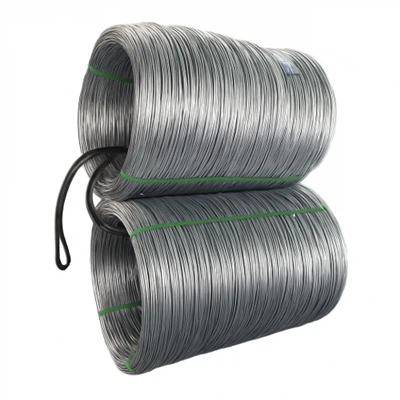
As a trusted supplier of 304 stainless steel wire, I often get asked about the suitability of our product for automotive applications. In this blog post, I'll delve into the properties of 304 stainless steel wire, its potential uses in automotive parts, and how it compares to other stainless - steel wires.
Properties of 304 Stainless Steel Wire
304 stainless steel is one of the most widely used grades of stainless steel. It contains approximately 18% chromium and 8% nickel, which gives it excellent corrosion resistance. This means that 304 stainless steel wire can withstand exposure to moisture, chemicals, and various environmental factors without rusting or corroding easily.
The high chromium content forms a passive oxide layer on the surface of the wire, which acts as a protective barrier against oxidation. The nickel content further enhances the corrosion resistance and also improves the wire's ductility, making it easy to form and shape.
In addition to its corrosion resistance, 304 stainless steel wire has good strength and durability. It can withstand mechanical stress and strain, which is crucial for automotive applications where parts are often subjected to high loads and vibrations.


Potential Uses in Automotive Parts
- Exhaust Systems: The exhaust system in a vehicle is exposed to high temperatures, corrosive gases, and moisture. 304 stainless steel wire can be used in the construction of exhaust hangers, brackets, and clamps. Its corrosion resistance ensures that these parts will not rust or deteriorate over time, even in harsh operating conditions. The high - temperature resistance of 304 stainless steel also allows it to withstand the heat generated by the exhaust gases.
- Fuel Lines and Tubing: Fuel lines and tubing need to be resistant to fuel corrosion and have good flexibility. 304 stainless steel wire can be used to reinforce or form these components. Its corrosion resistance protects against fuel - related corrosion, while its ductility allows for easy bending and installation.
- Interior Components: In the vehicle interior, 304 stainless steel wire can be used in decorative trim, seat frames, and other components. Its attractive appearance and corrosion resistance make it a suitable choice for enhancing the aesthetic appeal of the interior while ensuring long - term durability.
- Electrical Wiring: Although not as common as other applications, 304 stainless steel wire can be used in certain electrical wiring applications in vehicles. Its conductivity and corrosion resistance make it a viable option for some electrical components.
Comparison with Other Stainless - Steel Wires
- 304LN Stainless Steel Wire: 304LN Stainless Steel Wire is a low - carbon version of 304 stainless steel. It has similar corrosion resistance properties but offers better resistance to intergranular corrosion, especially in welded structures. In automotive applications where welding is involved, 304LN may be a better choice for parts that require high - quality welds and long - term corrosion resistance.
- 317L Stainless Steel Wire: 317L Stainless Steel Wire contains more chromium, nickel, and molybdenum than 304 stainless steel. This gives it superior corrosion resistance, especially in environments with high chloride concentrations. For automotive parts that are exposed to saltwater or harsh chemical environments, such as those used in marine - related automotive applications or in areas with heavy road salt usage, 317L stainless steel wire may be a more suitable option.
- 317L Stainless Steel Welding Wire: 317L Stainless Steel Welding Wire is specifically designed for welding applications. It provides excellent weldability and corrosion resistance in the welded joint. When welding automotive parts, using 317L welding wire can ensure strong and durable welds, especially when joining 317L or other high - alloy stainless - steel components.
Advantages of Using 304 Stainless Steel Wire in Automotive Parts
- Cost - Effectiveness: Compared to some of the higher - alloy stainless - steel grades, 304 stainless steel wire is relatively more affordable. This makes it a cost - effective choice for automotive manufacturers, especially for non - critical or less - exposed parts.
- Availability: 304 stainless steel is one of the most commonly produced stainless - steel grades, which means that 304 stainless steel wire is readily available in various diameters and lengths. This makes it easy for automotive manufacturers to source the wire they need.
- Versatility: As mentioned earlier, 304 stainless steel wire can be used in a wide range of automotive applications, from exhaust systems to interior components. Its versatility makes it a popular choice for automotive designers and engineers.
Considerations for Using 304 Stainless Steel Wire in Automotive Parts
- Environmental Conditions: While 304 stainless steel has good corrosion resistance, in extremely harsh environments, such as those with high levels of chloride or sulfur compounds, it may not be the best choice. In such cases, higher - alloy stainless - steel grades like 317L may be more appropriate.
- Mechanical Requirements: For parts that require high strength or specific mechanical properties, additional heat treatment or alloying may be necessary. Automotive manufacturers need to ensure that the 304 stainless steel wire meets the mechanical requirements of the specific part.
- Welding and Fabrication: When using 304 stainless steel wire in automotive parts, proper welding and fabrication techniques are crucial. Incorrect welding can lead to reduced corrosion resistance and mechanical strength in the welded joint.
In conclusion, 304 stainless steel wire can be a viable option for many automotive parts. Its corrosion resistance, strength, and cost - effectiveness make it a popular choice in the automotive industry. However, depending on the specific application and environmental conditions, other stainless - steel grades may be more suitable.
If you are an automotive manufacturer or supplier looking for high - quality 304 stainless steel wire for your automotive parts, we are here to help. We can provide you with detailed product information, samples, and technical support to ensure that you choose the right product for your needs. Feel free to reach out to us for further discussions and procurement opportunities.
References
- ASM Handbook, Volume 13A: Corrosion: Fundamentals, Testing, and Protection.
- Stainless Steel World Magazine, various issues on stainless - steel applications in automotive industry.