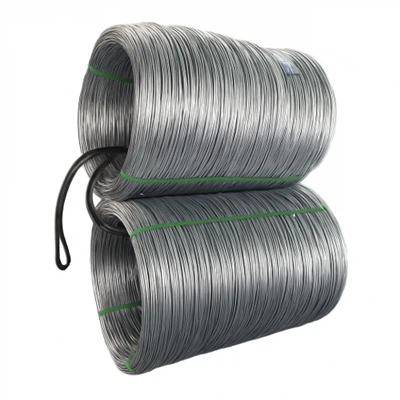
Hey there! As a supplier of 316 stainless steel wire, I've got a ton of experience with welding this stuff. In this blog, I'm gonna share with you how to weld 316 stainless steel wire like a pro.
Understanding 316 Stainless Steel Wire
First off, let's talk a bit about 316 stainless steel wire. It's a popular choice in many industries because of its excellent corrosion resistance, especially in environments where there's exposure to saltwater or chemicals. This wire contains molybdenum, which gives it that extra edge in terms of corrosion protection compared to other stainless - steel types.
Pre - Welding Preparation
Cleaning the Wire
Before you start welding, it's crucial to clean the 316 stainless steel wire. Any dirt, grease, or oxidation on the wire can cause problems during the welding process. You can use a stainless - steel brush to remove any surface contaminants. Make sure to brush in one direction to avoid leaving scratches that could affect the weld quality.
Selecting the Right Welding Method
There are several welding methods you can use for 316 stainless steel wire. The most common ones are TIG (Tungsten Inert Gas) welding and MIG (Metal Inert Gas) welding.
- TIG Welding: This method is great for precise and high - quality welds. It uses a non - consumable tungsten electrode to create the arc. TIG welding gives you more control over the heat input, which is important when working with thin 316 stainless steel wire. You'll also need to use a shielding gas, usually argon, to protect the weld from oxidation.
- MIG Welding: MIG welding is faster and easier to learn than TIG welding. It uses a consumable wire electrode that is fed through the welding gun. MIG welding is suitable for thicker 316 stainless steel wire. You'll need to use a shielding gas, such as a mixture of argon and carbon dioxide, to protect the weld.
Choosing the Right Filler Material
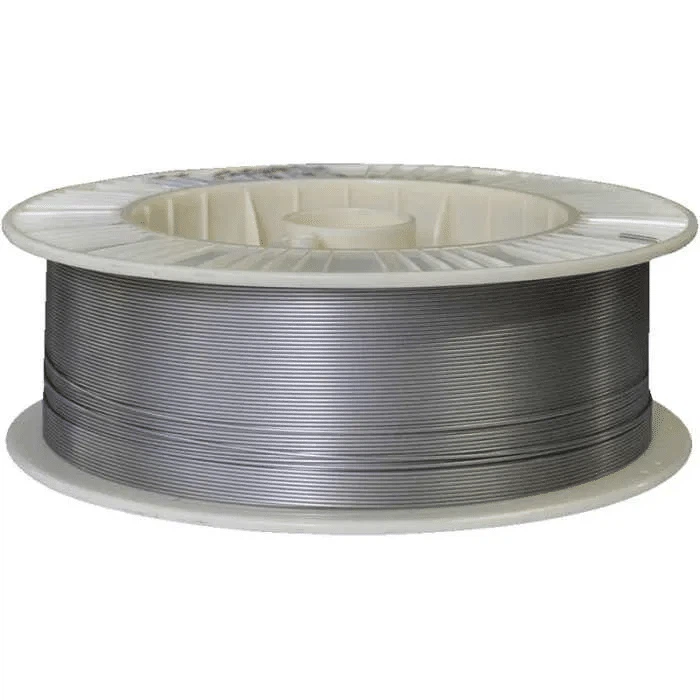
When welding 316 stainless steel wire, you need to choose the right filler material. A filler material that matches the composition of the 316 stainless steel wire is usually the best choice. For example, ER316L filler wire is a popular option. It has a lower carbon content, which helps prevent carbide precipitation and reduces the risk of corrosion in the weld area.

The Welding Process
Setting Up the Welding Machine
If you're using TIG welding, you'll need to set the appropriate amperage based on the thickness of the 316 stainless steel wire. For thinner wires, you'll need a lower amperage. You'll also need to adjust the gas flow rate to ensure proper shielding.
If you're using MIG welding, you'll need to set the wire feed speed and the voltage. The wire feed speed should be adjusted according to the thickness of the wire and the welding speed. The voltage should be set to create a stable arc.
Welding Technique
- TIG Welding: Start by striking an arc on the base metal. Then, slowly feed the filler wire into the weld pool. Keep the arc length short and maintain a steady hand. Move the torch in a straight line or in a slight weaving motion, depending on the joint design.
- MIG Welding: Hold the welding gun at a 10 - 15 degree angle to the workpiece. Start the arc and move the gun in a straight line or a slight zig - zag motion. Make sure to keep the wire feed consistent.
Post - Welding Treatment
After welding, it's important to clean the weld area. You can use a stainless - steel brush to remove any slag or spatter. You may also want to perform a post - weld heat treatment to relieve stress in the weld area. However, this is not always necessary, especially for small welds.
Other Related Stainless Steel Wires
If you're interested in other types of stainless steel wires, we also offer 317L Stainless Steel Welding Wire. It has even better corrosion resistance than 316 stainless steel wire, especially in high - temperature and high - pressure environments.
We also have 420 HC Stainless Steel Wire. This wire is known for its high hardness and wear resistance, making it suitable for applications where durability is important.
And if you're looking for a more cost - effective option, 304N Stainless Steel Wire is a great choice. It has good corrosion resistance and is widely used in various industries.
Contact Us for Purchase
If you're in the market for 316 stainless steel wire or any of the other stainless steel wires we offer, don't hesitate to reach out. We're here to help you with your welding needs. Whether you're a professional welder or a DIY enthusiast, we've got the right wire for you.
References
- AWS Welding Handbook, American Welding Society
- Stainless Steel Welding Guide, various industry publications