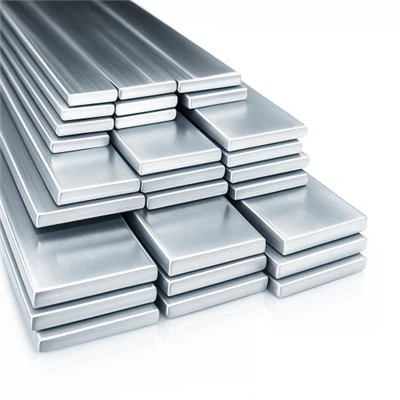
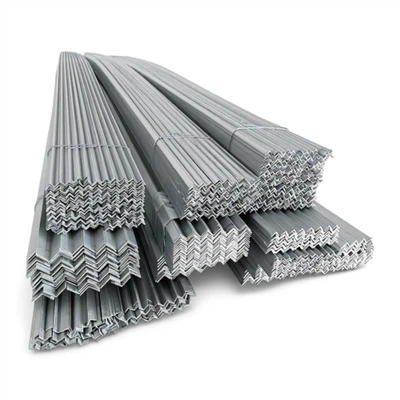
Hey there! As a flat bar stock supplier, I often get asked about what types of paint are suitable for flat bar stock. Well, let's dive right into it.
Understanding Flat Bar Stock
First off, flat bar stock comes in different materials, each with its own characteristics. We've got 304 Stainless Steel Flat Bar, 303 Stainless Steel Flat Bar, and Black Steel Flat Bar. Stainless steel flat bars are known for their corrosion resistance, while black steel flat bars are more commonly used in construction and industrial applications.
Factors to Consider When Choosing Paint
When it comes to painting flat bar stock, there are a few factors you need to keep in mind.
1. Environment
The environment where the flat bar stock will be used plays a huge role. If it's going to be outdoors, you'll need a paint that can withstand harsh weather conditions, like UV rays, rain, and extreme temperatures. For indoor use, you might have more flexibility, but you still want a paint that's durable and looks good.
2. Purpose
What's the flat bar stock for? Is it for decorative purposes, or does it need to have some functional properties, like anti - slip or chemical resistance? If it's for a decorative piece, you might focus more on the color and finish. But if it's for an industrial application, functionality becomes a top priority.
3. Compatibility
The paint you choose must be compatible with the material of the flat bar stock. Some paints might not adhere well to stainless steel, for example, while others work great on black steel.
Types of Paint for Flat Bar Stock
1. Epoxy Paint
Epoxy paint is a popular choice for flat bar stock, especially for industrial applications. It's known for its excellent adhesion, chemical resistance, and durability. Epoxy paint can form a tough, protective coating that can withstand heavy wear and tear. It's also resistant to corrosion, making it a great option for outdoor use or in environments where the flat bar stock might come into contact with chemicals.
However, epoxy paint can be a bit tricky to apply. It usually requires a two - part mixing process, and you need to follow the manufacturer's instructions carefully. Also, it has a relatively short pot life, which means you need to use it up quickly once it's mixed.
2. Acrylic Paint
Acrylic paint is another good option. It's water - based, which makes it easy to clean up and less toxic compared to some other types of paint. Acrylic paint dries quickly and comes in a wide range of colors. It's suitable for both indoor and outdoor use, but its durability might not be as high as epoxy paint.
Acrylic paint can provide a good level of protection against UV rays and mild weather conditions. It's also relatively easy to apply, making it a great choice for DIY projects or when you need a quick paint job.
3. Enamel Paint
Enamel paint is known for its hard, glossy finish. It provides good protection against scratches, abrasion, and chemicals. Enamel paint is often used for decorative purposes, as it can give the flat bar stock a nice, professional look.
However, enamel paint can take longer to dry compared to acrylic paint, and it might require multiple coats for a smooth finish. It's also more difficult to clean up, as it's oil - based.
4. Powder Coating
Powder coating is a process where a dry powder is applied to the flat bar stock and then heated to form a hard, durable coating. It offers excellent corrosion resistance, a wide range of colors, and a smooth finish. Powder coating is also environmentally friendly, as it doesn't contain solvents.
The application process for powder coating requires special equipment, so it's usually done by professionals. But if you're looking for a long - lasting and high - quality finish, powder coating is definitely worth considering.
Preparing the Flat Bar Stock for Painting
Before you start painting, it's crucial to prepare the flat bar stock properly.
1. Cleaning
Clean the surface of the flat bar stock to remove any dirt, grease, or rust. You can use a degreaser and a wire brush to clean the surface thoroughly. If there's any rust, you might need to use a rust remover to get rid of it completely.
2. Sanding
Sanding the surface will help the paint adhere better. Use a fine - grit sandpaper to sand the flat bar stock, creating a rough surface for the paint to grip onto.
3. Priming
Applying a primer is an important step. A primer helps to improve the adhesion of the paint and provides an extra layer of protection. Choose a primer that's compatible with both the flat bar stock material and the paint you're going to use.
Application Tips
- Follow the instructions: Always read and follow the manufacturer's instructions on the paint can. This includes the recommended application method, drying time, and number of coats.
- Use the right tools: Use a good - quality brush, roller, or spray gun depending on the type of paint and the size of the flat bar stock.
- Apply thin coats: Applying thin coats of paint will result in a smoother finish and better adhesion. Wait for each coat to dry completely before applying the next one.
Conclusion
Choosing the right paint for flat bar stock depends on various factors, such as the environment, purpose, and material of the flat bar stock. Epoxy paint, acrylic paint, enamel paint, and powder coating are all viable options, each with its own advantages and disadvantages.


If you're in the market for flat bar stock or have questions about painting it, feel free to reach out. We're here to help you make the best choices for your project. Whether you need 304 Stainless Steel Flat Bar, 303 Stainless Steel Flat Bar, or Black Steel Flat Bar, we've got you covered.
References
- "Painting Metals: A Guide to Choosing the Right Paint," by DIY Painting Magazine
- "Industrial Coating Handbook," published by Coating Technology Press
- "Powder Coating: An Overview," available from the Powder Coating Institute