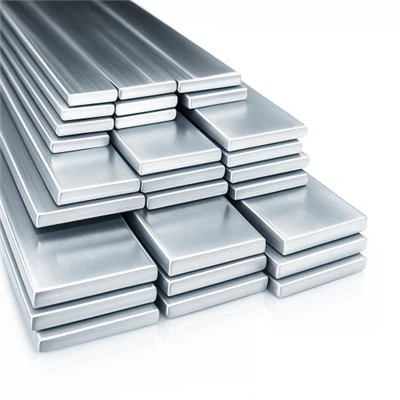
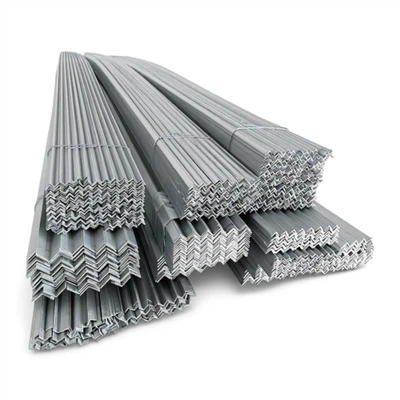
Hey there! As a supplier of Standard Angle Bar, I've seen firsthand how important it is to get the most out of these versatile products. In this blog post, I'm gonna share some tips on how to improve the performance of standard angle bars.


1. Material Selection
The first step in enhancing the performance of standard angle bars is choosing the right material. There are several types of materials available, each with its own set of properties. For instance, stainless steel is known for its corrosion resistance, making it a great choice for outdoor applications or environments where moisture is a concern. Steel Solid Angle Bar offers high strength and durability, which is ideal for heavy - duty structures.
If you're working in a high - temperature environment, you might want to consider heat - resistant alloys. On the other hand, if cost is a major factor, carbon steel can be a good option, although it may require more maintenance to prevent rust.
2. Proper Installation
Proper installation is crucial for the optimal performance of standard angle bars. Here are some key points to keep in mind:
- Alignment: Make sure the angle bars are properly aligned. Misaligned bars can cause uneven stress distribution, which may lead to premature failure. Use a level and measuring tools to ensure accurate alignment.
- Fastening: Select the right fasteners for the job. The type of fastener depends on the material of the angle bar and the surface it's being attached to. For example, if you're using stainless steel angle bars, stainless steel fasteners are recommended to prevent galvanic corrosion.
- Torque: Apply the correct torque when tightening the fasteners. Over - tightening can damage the angle bar or the fastener, while under - tightening can result in a loose connection. Refer to the manufacturer's specifications for the appropriate torque values.
3. Surface Treatment
Surface treatment can significantly improve the performance of standard angle bars. Here are a few common surface treatments:
- Galvanizing: Galvanizing involves coating the angle bar with a layer of zinc. This protects the steel from corrosion, especially in outdoor or humid environments. It also gives the angle bar a shiny, attractive appearance.
- Painting: Painting can provide an additional layer of protection against corrosion. Choose a paint that is suitable for the environment and the material of the angle bar. For example, epoxy paints are often used for their high - durability and chemical resistance.
- Powder Coating: Powder coating is a popular surface treatment that offers a durable and uniform finish. It is more environmentally friendly than traditional painting methods and provides excellent resistance to scratches, chipping, and fading.
4. Load Distribution
Understanding and managing the load distribution on standard angle bars is essential for their performance. Here's how you can do it:
- Calculating Loads: Before installing the angle bars, calculate the loads they will be subjected to. This includes dead loads (the weight of the structure itself) and live loads (such as people, equipment, or wind). Use engineering formulas and software to accurately determine the loads.
- Proper Sizing: Based on the calculated loads, select the appropriate size and thickness of the angle bars. Oversized bars can be wasteful, while undersized bars may not be able to support the loads, leading to structural failure.
- Bracing and Reinforcement: In some cases, bracing or reinforcement may be required to distribute the loads evenly. For example, adding diagonal braces can help to transfer the loads more effectively and prevent the angle bars from buckling.
5. Maintenance
Regular maintenance is necessary to keep standard angle bars in good condition and ensure their long - term performance. Here are some maintenance tips:
- Inspection: Regularly inspect the angle bars for signs of damage, such as cracks, corrosion, or deformation. Early detection of problems can prevent more serious issues from developing.
- Cleaning: Keep the angle bars clean to prevent the buildup of dirt, debris, and corrosive substances. Use a mild detergent and water to clean the surface, and dry it thoroughly.
- Repair and Replacement: If any damage is found, repair or replace the angle bars as soon as possible. Minor damage can often be repaired, but if the damage is severe, replacement may be necessary.
6. Compatibility with Other Components
When using standard angle bars in a structure, it's important to ensure their compatibility with other components. For example, if you're using L Type Angle Bar in a frame, make sure it is compatible with the other structural members in terms of material, size, and connection methods.
Incompatible components can lead to stress concentrations, which can reduce the overall performance of the structure. Consult with an engineer or a professional to ensure that all components work together seamlessly.
Conclusion
Improving the performance of standard angle bars involves a combination of proper material selection, installation, surface treatment, load distribution, maintenance, and compatibility with other components. By following these tips, you can ensure that your standard angle bars perform at their best and last for a long time.
If you're interested in purchasing high - quality standard angle bars or need more information about improving their performance, feel free to reach out for a procurement discussion. We're here to help you find the best solutions for your projects.
References
- ASTM International standards for steel angle bars
- Engineering textbooks on structural design and materials
- Manufacturer's guidelines for angle bar installation and maintenance