As a reliable supplier of 420 stainless steel wire, I understand the importance of proper storage to maintain the quality and performance of this versatile material. In this blog post, I will delve into the storage requirements for 420 stainless steel wire, providing valuable insights for businesses and individuals alike.
Understanding 420 Stainless Steel Wire
Before discussing the storage requirements, it's essential to have a basic understanding of 420 stainless steel wire. 420 stainless steel is a martensitic stainless steel that contains approximately 13% chromium. This alloy offers excellent corrosion resistance, high strength, and good wear resistance, making it suitable for a wide range of applications, including springs, fasteners, cutlery, and surgical instruments.
General Storage Guidelines
The primary goal of storing 420 stainless steel wire is to prevent corrosion, damage, and contamination. Here are some general storage guidelines to follow:

Clean and Dry Environment
Store the wire in a clean, dry environment with low humidity levels. High humidity can cause rusting and corrosion, especially in the presence of contaminants such as dust, dirt, or chemicals. Ideally, the storage area should have a relative humidity of less than 60%.
Protection from Moisture
To further protect the wire from moisture, it's recommended to use moisture barriers such as plastic sheeting or sealed containers. If the wire is stored outdoors, ensure it is covered with a waterproof tarp to prevent rain or snow from coming into contact with the wire.
Avoid Contact with Corrosive Materials
Keep the wire away from corrosive materials such as acids, alkalis, salts, and other chemicals. These substances can react with the stainless steel and cause corrosion or damage to the wire surface.
Proper Stacking and Support
When stacking the wire, ensure it is properly supported to prevent deformation or damage. Use pallets or racks to keep the wire off the ground and provide adequate ventilation. Avoid stacking the wire too high, as this can increase the risk of collapse and damage.
Regular Inspection
Regularly inspect the stored wire for signs of corrosion, damage, or contamination. If any issues are detected, take immediate action to address them to prevent further damage.
Specific Storage Requirements for Different Forms of 420 Stainless Steel Wire
The storage requirements for 420 stainless steel wire may vary depending on its form, such as coils, spools, or cut lengths. Here are some specific considerations for each form:
Coils
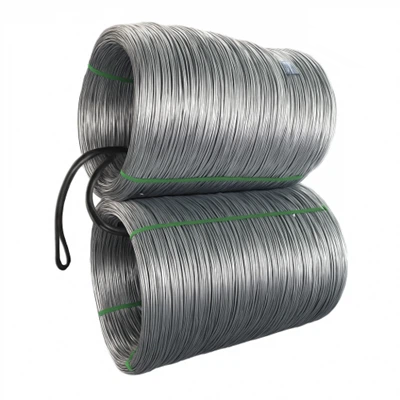
- Coil Orientation: Store the coils in a horizontal position to prevent flattening or deformation. If the coils are stored vertically, they may develop a flat spot on the bottom, which can affect the wire's performance.
- Separation: Separate the coils to prevent them from rubbing against each other, which can cause scratches or damage to the wire surface. Use dividers or spacers between the coils to keep them apart.
- Labeling: Label the coils with the wire size, grade, and other relevant information to facilitate easy identification and inventory management.
Spools
- Spool Protection: Protect the spools from damage by using spool guards or covers. These can prevent the wire from getting tangled or damaged during storage or handling.
- Spool Storage: Store the spools on a flat surface to prevent them from tipping over or rolling. If the spools are stored on a rack, ensure they are properly secured to prevent them from falling.
- Tension Maintenance: Maintain the proper tension on the spool to prevent the wire from loosening or unraveling. If the wire is too loose, it may become tangled or damaged during use.
Cut Lengths
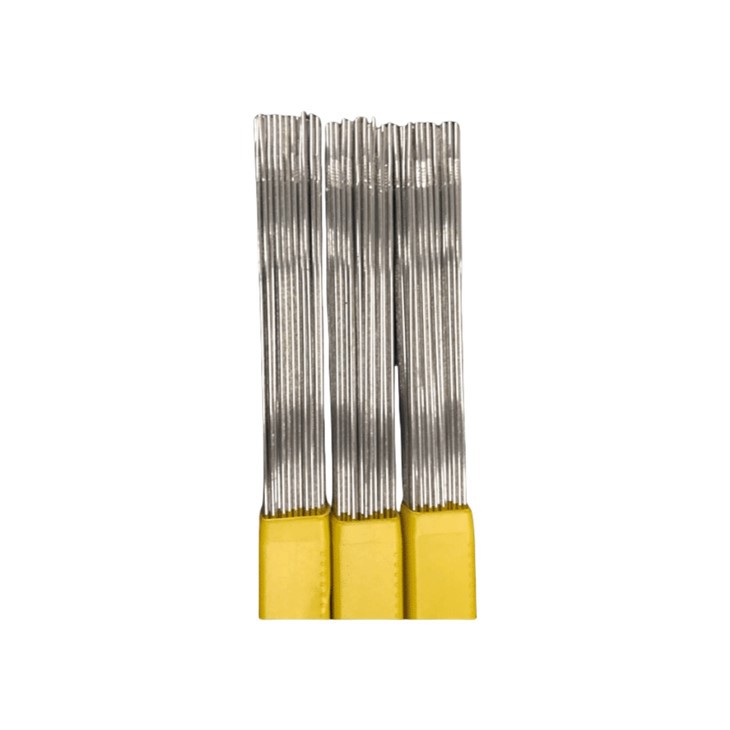
- Bundle Protection: Bundle the cut lengths together and secure them with straps or bands to prevent them from separating or getting damaged. Use protective sleeves or covers to prevent the wire ends from getting bent or damaged.
- Storage in Containers: Store the cut lengths in containers such as boxes or bins to protect them from dust, dirt, and moisture. Label the containers with the wire size, grade, and other relevant information for easy identification.
Impact of Storage Conditions on 420 Stainless Steel Wire Quality
Proper storage conditions are crucial for maintaining the quality and performance of 420 stainless steel wire. Here are some potential issues that can arise if the wire is not stored correctly:
Corrosion
As mentioned earlier, exposure to moisture and corrosive materials can cause rusting and corrosion of the wire. Corrosion can weaken the wire, reduce its strength, and affect its performance. In severe cases, corrosion can lead to wire breakage or failure.
Surface Damage
Scratches, dents, or other surface damage can occur if the wire is not stored properly. These defects can compromise the wire's corrosion resistance and make it more susceptible to corrosion and other forms of damage.
Contamination
Contamination of the wire with dirt, dust, or other foreign materials can affect its performance and cause problems during processing or use. For example, contaminants can cause clogging or jamming in wire drawing or forming equipment.
Deformation
Improper stacking or support of the wire can cause deformation, such as flattening or bending. Deformed wire may not meet the required specifications and may need to be discarded or reprocessed.
Comparison with Other Stainless Steel Wires
When it comes to storage requirements, 420 stainless steel wire shares some similarities with other stainless steel wires, but there are also some differences. Here is a comparison with 304N Stainless Steel Wire, 304L Stainless Steel Welding Wire, and 304 Stainless Steel Spring Wire:
304N Stainless Steel Wire
- Corrosion Resistance: 304N stainless steel wire has better corrosion resistance than 420 stainless steel wire due to its higher nickel and nitrogen content. However, it still requires proper storage to prevent corrosion.
- Strength: 304N stainless steel wire is generally stronger than 420 stainless steel wire, but it may be more prone to deformation if not stored properly.
- Storage Requirements: The storage requirements for 304N stainless steel wire are similar to those for 420 stainless steel wire, including a clean, dry environment, protection from moisture, and avoidance of contact with corrosive materials.
304L Stainless Steel Welding Wire
- Corrosion Resistance: 304L stainless steel welding wire has excellent corrosion resistance, similar to 304N stainless steel wire. However, it is more sensitive to heat and may require special storage conditions to prevent sensitization.
- Weldability: 304L stainless steel welding wire is designed for welding applications and requires proper storage to maintain its weldability. It should be stored in a dry environment to prevent moisture absorption, which can affect the quality of the weld.
- Storage Requirements: In addition to the general storage requirements, 304L stainless steel welding wire should be stored in a sealed container or package to prevent contamination and moisture absorption.
304 Stainless Steel Spring Wire
- Spring Properties: 304 stainless steel spring wire is designed to have high elasticity and spring properties. It requires proper storage to maintain its spring characteristics and prevent deformation.
- Surface Finish: The surface finish of 304 stainless steel spring wire is important for its performance. It should be stored in a clean environment to prevent scratches or damage to the surface, which can affect the spring's performance.
- Storage Requirements: The storage requirements for 304 stainless steel spring wire are similar to those for 420 stainless steel wire, including proper stacking, support, and protection from moisture and contaminants.
Conclusion
Proper storage of 420 stainless steel wire is essential to maintain its quality, performance, and longevity. By following the general storage guidelines and specific requirements for different forms of the wire, you can ensure that your wire remains in excellent condition and meets the required specifications. Remember to regularly inspect the stored wire for signs of corrosion, damage, or contamination, and take immediate action to address any issues.
If you have any questions or need further information about the storage requirements for 420 stainless steel wire, or if you are interested in purchasing high-quality 420 stainless steel wire, please feel free to contact us. We are a leading supplier of stainless steel wire and can provide you with the best products and services to meet your needs.
References
- ASM Handbook, Volume 13A: Corrosion: Fundamentals, Testing, and Protection
- Stainless Steel World Magazine
- American Iron and Steel Institute (AISI)