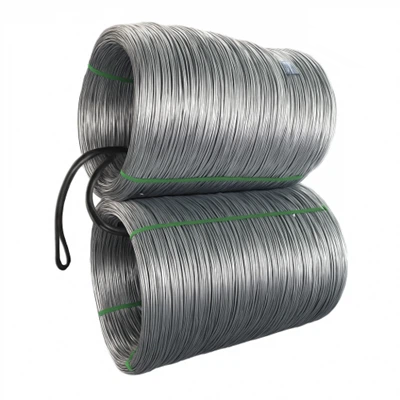
When it comes to food - grade applications, the selection of materials is of utmost importance. As a supplier of 420 Stainless Steel Wire, I am often asked about the requirements for using this material in food - grade settings. In this blog, I will delve into the key aspects that need to be considered when using 420 stainless steel wire for food - grade applications.
Chemical Composition
The chemical composition of 420 stainless steel wire is a fundamental factor in determining its suitability for food - grade use. 420 stainless steel is a martensitic stainless steel, which typically contains around 12 - 14% chromium. Chromium is crucial as it forms a passive oxide layer on the surface of the steel, providing corrosion resistance. This oxide layer helps prevent the steel from reacting with food substances and contaminants, ensuring the safety of the food.
In addition to chromium, the carbon content in 420 stainless steel is relatively high, usually between 0.15 - 0.4%. While carbon can enhance the hardness and strength of the steel, it also makes the material more prone to corrosion in certain environments. Therefore, for food - grade applications, strict control of the carbon content is necessary to balance the mechanical properties and corrosion resistance.
Other elements such as nickel, molybdenum, and sulfur also play important roles. Nickel can improve the corrosion resistance and ductility of the steel, but the content in 420 stainless steel is generally low. Molybdenum can enhance the pitting and crevice corrosion resistance, which is beneficial in food - grade applications where the wire may be exposed to salty or acidic food products. Sulfur is usually kept at a low level as high sulfur content can reduce the corrosion resistance and weldability of the steel.
Surface Finish
The surface finish of 420 stainless steel wire is another critical requirement for food - grade applications. A smooth and clean surface is essential to prevent the accumulation of food particles, bacteria, and other contaminants. Rough surfaces can provide hiding places for microorganisms, which can lead to food spoilage and pose a health risk.

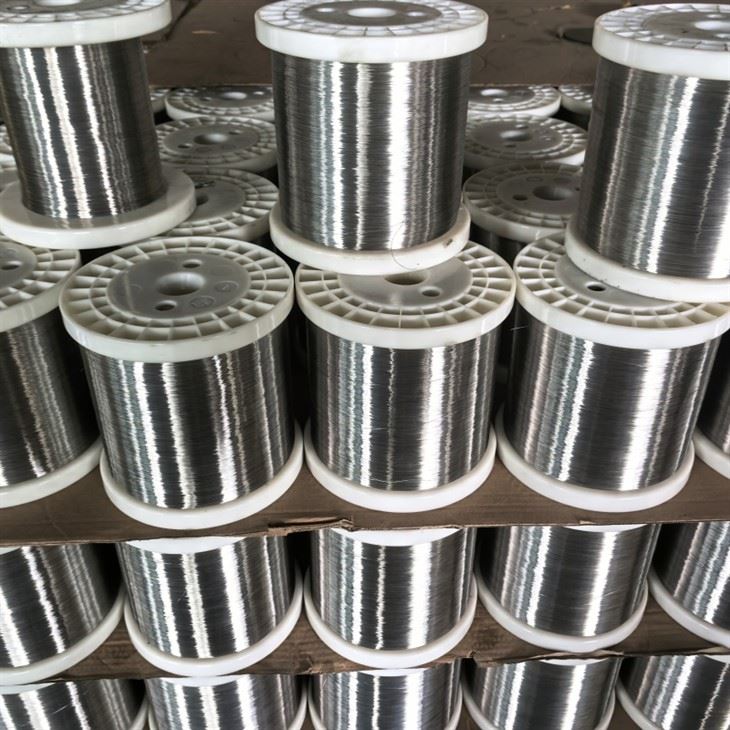
There are several surface finishing processes available for 420 stainless steel wire, such as polishing, pickling, and passivation. Polishing can create a mirror - like surface, which is not only aesthetically pleasing but also easy to clean. Pickling is a process that uses acid solutions to remove impurities and scale from the surface of the wire, improving its corrosion resistance. Passivation is a chemical treatment that enhances the formation of the passive oxide layer on the surface, further protecting the steel from corrosion.
When selecting a surface finish, it is important to consider the specific requirements of the food - grade application. For example, in applications where the wire will be in direct contact with food, a high - quality polished finish may be preferred. In contrast, for applications where the wire is used in food processing equipment and may be exposed to harsh cleaning agents, a passivated finish may be more suitable.
Mechanical Properties
The mechanical properties of 420 stainless steel wire, such as strength, ductility, and hardness, also need to meet certain requirements for food - grade applications. The wire should have sufficient strength to withstand the mechanical stresses during food processing, handling, and storage. For example, in applications where the wire is used as a mesh or a spring in food equipment, it needs to have enough tensile strength to support the weight of the food and resist deformation.
Ductility is another important property, especially in applications where the wire needs to be bent or formed into different shapes. A wire with good ductility can be easily fabricated without cracking or breaking, ensuring the integrity of the final product. Hardness is also a consideration, as a wire that is too soft may be easily scratched or damaged, while a wire that is too hard may be brittle and prone to fracture.
The mechanical properties of 420 stainless steel wire can be adjusted through heat treatment processes such as annealing, quenching, and tempering. Annealing can improve the ductility and reduce the hardness of the wire, while quenching and tempering can increase the strength and hardness. The specific heat treatment process should be selected based on the requirements of the food - grade application.
Hygiene and Safety Standards
Compliance with hygiene and safety standards is non - negotiable when using 420 stainless steel wire in food - grade applications. There are various national and international standards that govern the use of materials in contact with food, such as the Food and Drug Administration (FDA) regulations in the United States and the European Union's Regulation (EC) No 1935/2004.
These standards specify the allowable levels of harmful substances in the material, such as heavy metals (e.g., lead, mercury, cadmium) and other contaminants. The 420 stainless steel wire must be tested and certified to meet these standards to ensure the safety of the food. In addition, the wire should be free from any coatings or treatments that may release toxic substances into the food.
Regular cleaning and maintenance of the 420 stainless steel wire are also essential to maintain its hygiene. The wire should be cleaned using appropriate cleaning agents and methods to remove any food residues, dirt, and bacteria. It is important to follow the manufacturer's recommendations for cleaning and maintenance to avoid damaging the wire and compromising its performance.
Comparison with Other Stainless Steel Wires
In the market, there are other types of stainless steel wires that are also commonly used in food - grade applications, such as 304L Annealed Stainless Steel Wire and 304L Stainless Wire. Compared with 420 stainless steel wire, 304L stainless steel wires generally have higher corrosion resistance due to their higher nickel content. They are more suitable for applications where the wire will be exposed to more corrosive environments, such as in the production of acidic or salty food products.
However, 420 stainless steel wire has its own advantages. It is harder and stronger than 304L stainless steel wires, which makes it more suitable for applications that require high mechanical strength, such as in the manufacturing of food processing tools and equipment. The choice between 420 stainless steel wire and other types of stainless steel wires depends on the specific requirements of the food - grade application, including the corrosion environment, mechanical stress, and cost.
Conclusion
In conclusion, using 420 stainless steel wire in food - grade applications requires careful consideration of its chemical composition, surface finish, mechanical properties, and compliance with hygiene and safety standards. As a supplier of 420 - stainless Steel Wire, we are committed to providing high - quality products that meet all the requirements for food - grade use.
If you are in the market for 420 stainless steel wire for your food - grade applications, I encourage you to contact us for more information. We can provide detailed product specifications, samples, and technical support to help you make the right choice. Our team of experts is always ready to assist you in finding the best solution for your specific needs.
References
- ASM Handbook Committee. ASM Handbook Volume 13A: Corrosion: Fundamentals, Testing, and Protection. ASM International, 2003.
- Food and Drug Administration. “Food Contact Substances Notification Inventory.” Accessed [Date].
- European Union. Regulation (EC) No 1935/2004 of the European Parliament and of the Council of 27 October 2004 on materials and articles intended to come into contact with food and repealing Directives 80/590/EEC and 89/109/EEC.