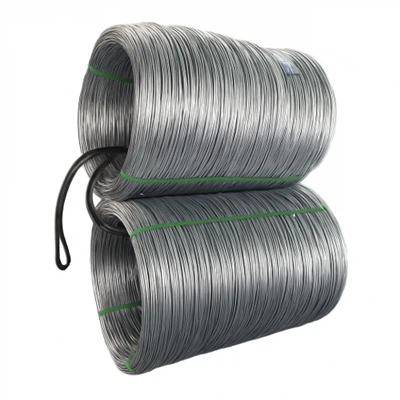
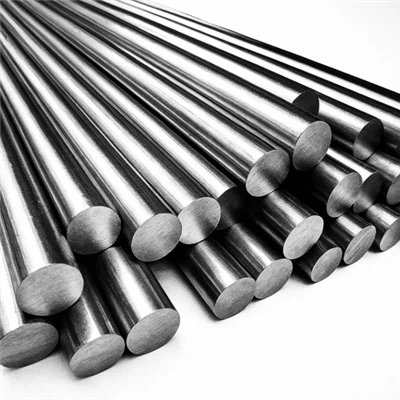
Stainless steel bars have long been a cornerstone in various industries, and as a dedicated stainless steel bar supplier, I've witnessed firsthand the transformative impact these materials can have on projects. In this blog, I'll delve into the numerous advantages of using stainless steel bars, highlighting why they are a preferred choice for so many applications.
Durability and Longevity
One of the most significant advantages of stainless steel bars is their exceptional durability. Stainless steel is an alloy primarily composed of iron, chromium, and other elements, with chromium content typically between 10.5% and 30%. The chromium in stainless steel forms a thin, protective oxide layer on the surface when exposed to oxygen. This layer, known as the passive film, is self - repairing and acts as a barrier against corrosion, rust, and staining.
In harsh environments, where other metals would quickly degrade, stainless steel bars remain intact. For example, in coastal areas with high salt content in the air, or in chemical processing plants where corrosive chemicals are present, stainless steel bars can withstand the elements for decades. This longevity reduces the need for frequent replacements, saving both time and money in the long run. Whether used in construction, manufacturing, or infrastructure projects, the durability of stainless steel bars ensures a reliable and long - lasting solution.
Strength and Structural Integrity
Stainless steel bars possess high strength - to - weight ratios, making them ideal for structural applications. They can support heavy loads without significant deformation. In construction, stainless steel bars are often used as reinforcement in concrete structures, enhancing the overall strength and stability. The high tensile strength of stainless steel bars allows them to resist forces such as tension, compression, and shear, making buildings and bridges more resilient to natural disasters like earthquakes and strong winds.
Moreover, stainless steel bars can maintain their strength and integrity at both high and low temperatures. In high - temperature applications, such as in furnaces or exhaust systems, they do not lose their mechanical properties, ensuring continuous and safe operation. At low temperatures, they do not become brittle, which is crucial for applications in cold storage facilities or polar regions.
Aesthetic Appeal
In addition to their functional properties, stainless steel bars offer excellent aesthetic appeal. They have a sleek, modern look that can enhance the visual appeal of any project. The smooth surface finish of stainless steel bars can be polished to a mirror - like shine, creating a bold and stylish statement. This makes them a popular choice in architectural and decorative applications, such as handrails, staircases, signage, and interior design elements.
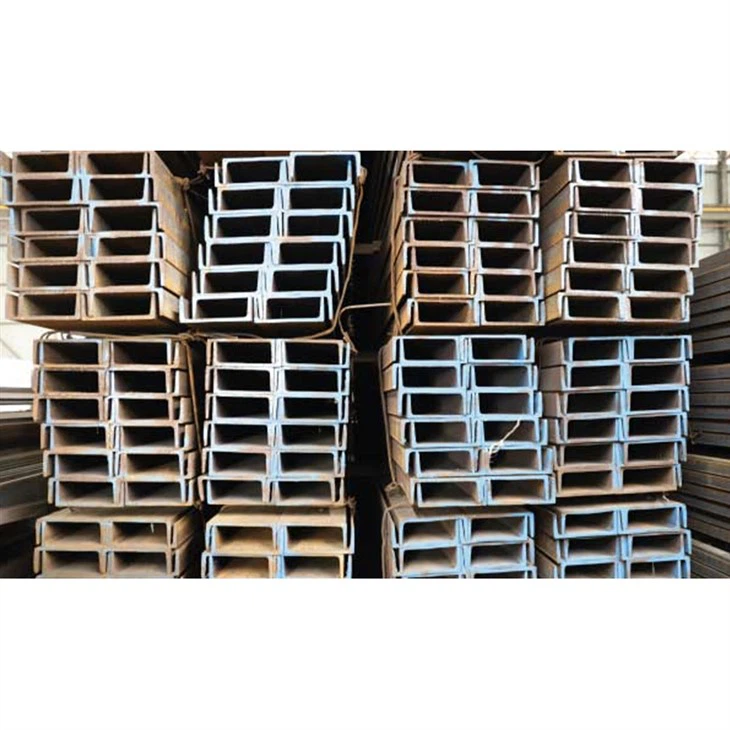
Whether used in contemporary or traditional settings, stainless steel bars can add a touch of elegance and sophistication. They are also highly versatile in terms of design, as they can be easily fabricated into various shapes and sizes to meet specific project requirements. For example, you can explore our Polished Stainless Steel Channel, which combines functionality with a beautiful polished finish.
Hygiene and Cleanliness
Stainless steel is a non - porous material, which means it does not absorb liquids, bacteria, or other contaminants. This property makes it extremely easy to clean and maintain, making stainless steel bars a top choice in industries where hygiene is of utmost importance, such as the food and beverage, pharmaceutical, and healthcare sectors.
In food processing plants, stainless steel bars are used for equipment frames, conveyor systems, and storage tanks. Their smooth surface prevents the growth of bacteria and makes them resistant to food acids and cleaning agents. In hospitals and medical facilities, stainless steel bars are used in furniture, medical equipment, and surgical instruments. Their ability to be easily sterilized helps prevent the spread of infections.
Recyclability
In an era where sustainability is a key concern, stainless steel bars offer an important advantage: recyclability. Stainless steel is 100% recyclable without losing its original properties. Recycling stainless steel requires significantly less energy compared to the production of new stainless steel from raw materials. This not only reduces the environmental impact but also helps conserve natural resources.

As a stainless steel bar supplier, we are committed to promoting sustainable practices. When a project reaches the end of its life cycle, the stainless steel bars can be recycled and reused in new applications, contributing to a closed - loop economy.
Versatility in Applications
Stainless steel bars come in a wide range of grades, each with its own unique properties and characteristics. This versatility allows them to be used in a vast array of applications across different industries.
For example, Stainless Steel 304 Angle Bar is one of the most commonly used grades. It has good corrosion resistance and is suitable for general - purpose applications, such as construction, automotive, and furniture manufacturing. On the other hand, 430f Stainless Steel Round Bar is known for its excellent machinability and is often used in applications where precision machining is required, such as in the production of screws, bolts, and other fasteners.
Cost - Effectiveness in the Long Run
While the initial cost of stainless steel bars may be higher than some other materials, their long - term cost - effectiveness is undeniable. As mentioned earlier, their durability and longevity mean fewer replacements and maintenance costs over time. Additionally, their resistance to corrosion and other forms of damage reduces the need for costly repairs.
In industries where downtime can be extremely expensive, such as manufacturing plants, the reliability of stainless steel bars can lead to significant savings. The high strength of stainless steel bars also allows for more efficient use of materials, potentially reducing the overall weight and cost of a structure or product.
Ease of Fabrication
Stainless steel bars are relatively easy to fabricate using common manufacturing processes such as cutting, welding, bending, and machining. This ease of fabrication makes them a convenient choice for manufacturers and fabricators. They can be customized to meet the specific requirements of a project, whether it's a complex architectural design or a simple industrial component.
The ability to fabricate stainless steel bars also means that they can be integrated into existing systems or structures with relative ease. This flexibility allows for seamless upgrades and modifications, ensuring that projects can adapt to changing needs over time.
Conclusion
The advantages of using stainless steel bars are numerous and far - reaching. From their durability and strength to their aesthetic appeal and recyclability, stainless steel bars offer a comprehensive solution for a wide range of applications. As a stainless steel bar supplier, I'm proud to offer high - quality products that can meet the diverse needs of our customers.
If you're considering using stainless steel bars for your next project, I encourage you to reach out to discuss your requirements. Our team of experts is ready to provide you with the best advice and solutions. Let's work together to make your project a success.
References
- ASM Handbook Committee. (2004). ASM Handbook, Volume 13A: Corrosion: Fundamentals, Testing, and Protection. ASM International.
- Brandes, E. A., & Brook, G. B. (1992). Smithells Metals Reference Book (7th ed.). Butterworth - Heinemann.
- Schaeffler, A. L. (1949). Constitution diagram for stainless steel weld metals. Welding Journal, 28(5), 211s - 221s.