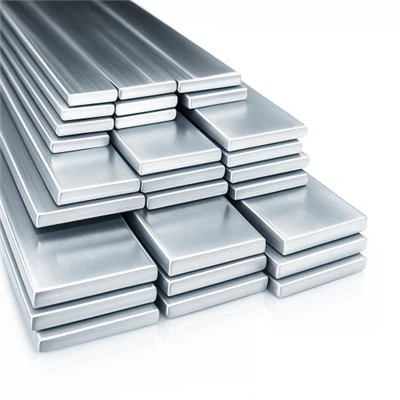
Stainless flat wire is a versatile and widely used material in various industries, including construction, automotive, and manufacturing. As a leading supplier of stainless flat wire, we understand the importance of handling this material safely to prevent accidents and ensure the well - being of workers. In this blog post, we will discuss some essential tips on how to handle stainless flat wire safely.
1. Personal Protective Equipment (PPE)
Wearing appropriate personal protective equipment is the first line of defense when handling stainless flat wire. Workers should always wear safety glasses to protect their eyes from flying debris, especially when cutting or shaping the wire. Gloves are also crucial, as they provide a better grip on the wire and protect hands from cuts and abrasions. Depending on the specific handling tasks, workers may also need to wear long - sleeved shirts and safety shoes to prevent injuries from sharp edges or falling wire pieces.
2. Storage
Proper storage of stainless flat wire is essential to maintain its quality and prevent accidents. The wire should be stored in a dry, clean, and well - ventilated area. Avoid storing the wire in areas prone to moisture, as this can cause rusting and corrosion. When stacking the wire, ensure that the stacks are stable and do not exceed the recommended height to prevent them from toppling over.
3. Handling and Lifting
When handling stainless flat wire, it is important to use the correct lifting techniques. If the wire is heavy, use lifting equipment such as cranes or forklifts. When manually lifting the wire, bend your knees and keep your back straight to avoid back injuries. Do not attempt to lift more wire than you can handle safely.
4. Cutting and Shaping
Cutting and shaping stainless flat wire require special attention. Use appropriate cutting tools, such as wire cutters or saws designed for stainless steel. Make sure the cutting tools are sharp to ensure clean cuts and reduce the risk of the wire slipping. When using power tools, follow the manufacturer's instructions carefully and ensure that the tools are properly maintained.
5. Transportation
During transportation, secure the stainless flat wire to prevent it from shifting or falling. Use straps or ropes to tie down the wire, and make sure the vehicle is suitable for transporting the wire. If the wire is being transported in a container, ensure that the container is properly labeled and meets all safety regulations.
6. Hazardous Situations Awareness
Be aware of potential hazardous situations when handling stainless flat wire. For example, sharp edges of the wire can cause cuts, and high - speed cutting or grinding can generate sparks and heat. In case of an emergency, have a first - aid kit readily available and know the location of the nearest emergency exits.
7. Training
All workers involved in handling stainless flat wire should receive proper training. Training should cover safety procedures, the correct use of tools and equipment, and emergency response. Regular refresher courses can help keep workers updated on the latest safety practices.
8. Specific Considerations for Different Types of Stainless Flat Wire
We offer a variety of stainless flat wire products, such as 317L Stainless Steel Wire, 304N Stainless Steel Wire, and 420 HC Stainless Steel Wire. Each type of wire may have specific handling requirements.
- 317L Stainless Steel Wire: This type of wire has excellent corrosion resistance, but it is important to handle it carefully to avoid scratching the surface, which can compromise its corrosion - resistant properties. When cutting or shaping 317L stainless steel wire, use tools that are suitable for its hardness.
- 304N Stainless Steel Wire: 304N stainless steel wire is known for its good strength and ductility. However, it can be sensitive to stress corrosion cracking under certain conditions. When handling this wire, avoid excessive bending or stretching that may cause stress in the material.
- 420 HC Stainless Steel Wire: 420 HC stainless steel wire is a martensitic stainless steel with relatively high hardness. It is important to use appropriate cutting and grinding tools to avoid overheating the wire, which can affect its mechanical properties.
Conclusion
Handling stainless flat wire safely is of utmost importance to protect the well - being of workers and ensure the quality of the product. By following the tips mentioned above, including wearing proper PPE, storing the wire correctly, using the right handling and cutting techniques, and being aware of potential hazards, you can minimize the risk of accidents.
As a reliable stainless flat wire supplier, we are committed to providing high - quality products and ensuring that our customers have the knowledge and resources to handle our products safely. If you are interested in purchasing our stainless flat wire or have any questions about safety handling, please feel free to contact us for further discussion. We look forward to serving you and meeting your stainless flat wire needs.


References
- "Stainless Steel Handbook" by ASM International
- Safety guidelines from the Occupational Safety and Health Administration (OSHA)
- Manufacturer's instructions for stainless flat wire handling tools and equipment