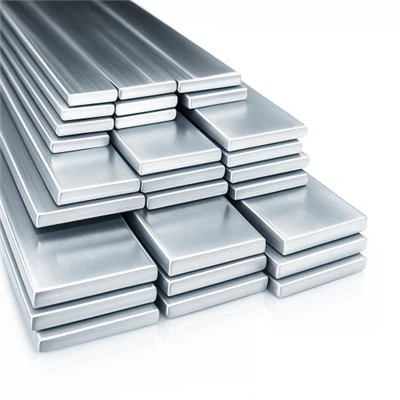
Stainless flat wire is a versatile material widely used in various industries due to its excellent corrosion resistance, high strength, and aesthetic appeal. However, a common question that arises is whether stainless flat wire can be used in high-temperature environments. As a supplier of stainless flat wire, I am often asked this question, and in this blog post, I will delve into the properties of stainless flat wire and its suitability for high-temperature applications.
Understanding the Basics of Stainless Flat Wire
Stainless flat wire is made from stainless steel, an alloy composed primarily of iron, chromium, and nickel, with other elements added to enhance specific properties. The chromium in stainless steel forms a thin, protective oxide layer on the surface, which prevents corrosion and gives the material its characteristic shine. The addition of nickel improves the ductility and toughness of the steel, making it more suitable for cold working processes such as drawing and rolling.
There are several types of stainless steel used to make flat wire, each with its own unique properties and applications. Some of the most common grades include 304, 316, and 420 Stainless Steel Wire. Grade 304 is a general-purpose stainless steel with good corrosion resistance and formability, making it suitable for a wide range of applications. Grade 316 contains molybdenum, which enhances its corrosion resistance in harsh environments, particularly those containing chlorides. 420 HC Stainless Steel Wire is a martensitic stainless steel known for its high hardness and wear resistance, making it suitable for applications requiring cutting edges or wear-resistant components.
Factors Affecting the Performance of Stainless Flat Wire in High-Temperature Environments
When considering the use of stainless flat wire in high-temperature environments, several factors need to be taken into account. These include the composition of the stainless steel, the temperature range, the duration of exposure, and the presence of any corrosive agents.
Composition of the Stainless Steel
The composition of the stainless steel plays a crucial role in its performance at high temperatures. Different grades of stainless steel have different alloying elements, which can affect their oxidation resistance, strength, and creep resistance. For example, steels containing higher levels of chromium and nickel tend to have better oxidation resistance at high temperatures. Additionally, the presence of elements such as molybdenum and titanium can improve the strength and creep resistance of the steel.
Temperature Range
The temperature range is another important factor to consider. Stainless steel can generally withstand temperatures up to a certain point without significant degradation of its properties. However, as the temperature increases, the material may undergo various changes, such as oxidation, carbide precipitation, and loss of strength. The maximum temperature at which a particular grade of stainless steel can be used depends on its composition and the specific application requirements.
Duration of Exposure
The duration of exposure to high temperatures also affects the performance of stainless flat wire. Prolonged exposure to high temperatures can lead to the formation of oxide layers on the surface of the steel, which can reduce its corrosion resistance and mechanical properties. Additionally, long-term exposure to high temperatures can cause the steel to undergo creep, a slow deformation process that can lead to failure over time.
Presence of Corrosive Agents
The presence of corrosive agents in the environment can also affect the performance of stainless flat wire at high temperatures. Corrosive agents such as acids, alkalis, and chlorides can accelerate the oxidation and corrosion of the steel, particularly at high temperatures. In such environments, it is important to choose a stainless steel grade with good corrosion resistance and to take appropriate measures to protect the wire from corrosion.
Performance of Different Grades of Stainless Flat Wire in High-Temperature Environments
Grade 304 Stainless Flat Wire
Grade 304 stainless flat wire is a popular choice for many applications due to its good corrosion resistance and formability. However, its performance at high temperatures is limited. At temperatures above 800°C (1472°F), grade 304 stainless steel begins to lose its strength and oxidation resistance. The chromium in the steel forms a protective oxide layer, but at high temperatures, this layer can become unstable and break down, leading to accelerated oxidation and corrosion. Therefore, grade 304 stainless flat wire is not recommended for use in applications where it will be exposed to temperatures above 800°C for extended periods.
Grade 316 Stainless Flat Wire
Grade 316 stainless flat wire contains molybdenum, which enhances its corrosion resistance in harsh environments, particularly those containing chlorides. At high temperatures, grade 316 stainless steel has better oxidation resistance than grade 304. It can withstand temperatures up to approximately 900°C (1652°F) without significant degradation of its properties. However, like grade 304, grade 316 stainless steel also begins to lose its strength and oxidation resistance at higher temperatures. Therefore, it is not suitable for use in applications where it will be exposed to temperatures above 900°C for extended periods.


420-stainless Steel Wire
420-stainless Steel Wire is a martensitic stainless steel known for its high hardness and wear resistance. It has good strength and oxidation resistance at high temperatures, making it suitable for use in applications such as cutting tools, valves, and springs. 420-stainless Steel Wire can withstand temperatures up to approximately 600°C (1112°F) without significant loss of its mechanical properties. However, at higher temperatures, the steel may undergo phase transformations and lose its hardness and strength.
Applications of Stainless Flat Wire in High-Temperature Environments
Despite the limitations of stainless flat wire at high temperatures, there are still many applications where it can be used effectively. Some of these applications include:
Heat Exchangers
Stainless flat wire is commonly used in heat exchangers due to its good thermal conductivity and corrosion resistance. In heat exchangers, the wire is exposed to high temperatures and fluid flow, which can cause corrosion and erosion. By choosing a suitable grade of stainless steel and taking appropriate measures to protect the wire from corrosion, stainless flat wire can be used in heat exchangers operating at temperatures up to 800°C.
Furnace Components
Stainless flat wire is also used in furnace components such as heating elements, supports, and baskets. In furnaces, the wire is exposed to high temperatures and thermal cycling, which can cause thermal stress and fatigue. By choosing a stainless steel grade with good creep resistance and thermal stability, stainless flat wire can be used in furnace components operating at temperatures up to 1000°C.
Automotive Exhaust Systems
Stainless flat wire is used in automotive exhaust systems due to its good corrosion resistance and high-temperature performance. In exhaust systems, the wire is exposed to high temperatures, exhaust gases, and vibration, which can cause corrosion and fatigue. By choosing a stainless steel grade with good oxidation resistance and mechanical properties, stainless flat wire can be used in automotive exhaust systems operating at temperatures up to 900°C.
Conclusion
In conclusion, the suitability of stainless flat wire for use in high-temperature environments depends on several factors, including the composition of the stainless steel, the temperature range, the duration of exposure, and the presence of any corrosive agents. While some grades of stainless flat wire can withstand high temperatures for short periods, their performance at high temperatures is generally limited. Therefore, it is important to carefully consider the specific application requirements and to choose a stainless steel grade that is suitable for the intended use.
As a supplier of stainless flat wire, we offer a wide range of grades and sizes to meet the needs of different applications. Our team of experts can provide you with technical support and advice to help you choose the right stainless flat wire for your high-temperature application. If you are interested in learning more about our products or have any questions, please feel free to contact us. We look forward to working with you to find the best solution for your needs.
References
- ASM Handbook, Volume 13A: Corrosion: Fundamentals, Testing, and Protection. ASM International, 2003.
- Stainless Steel: A Guide to Selection and Application. The Nickel Institute, 2002.
- Welding Stainless Steels. The American Welding Society, 2001.