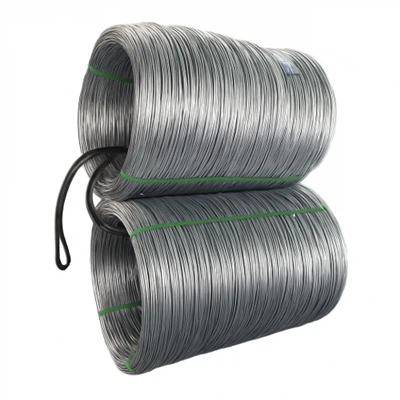
When it comes to the world of stainless steel wire products, one question that frequently arises from our customers is: "Can black stainless wire be bent easily?" As a trusted supplier of black stainless wire, I'm here to delve into this topic and provide you with a comprehensive understanding.
Understanding Black Stainless Wire
Black stainless wire is a specialized form of stainless steel wire that undergoes a surface treatment to achieve its distinctive black color. This treatment not only enhances its aesthetic appeal but also provides additional protection against corrosion. The base material of black stainless wire is typically high - quality stainless steel, which is known for its strength, durability, and resistance to rust.
The most common types of stainless steel used for black stainless wire include 304, 304L, and 204Cu. You can find more information about these specific types of stainless steel wire on our website: 304 Stainless Steel Wire, 304L Stainless Steel Welding Wire, 204Cu Stainless Steel Wire.
Factors Affecting the Bendability of Black Stainless Wire
1. Material Grade
Different grades of stainless steel have different mechanical properties, which directly affect their bendability. For example, 304 stainless steel is a widely used grade that offers a good balance between strength and ductility. It can be bent to a certain degree without cracking or breaking under normal circumstances. On the other hand, some high - strength stainless steel grades may be more difficult to bend due to their higher levels of alloying elements, such as chromium and nickel, which increase the material's hardness and strength but reduce its ductility.
2. Wire Diameter
The diameter of the black stainless wire plays a crucial role in its bendability. Generally, thinner wires are easier to bend than thicker ones. This is because the stress required to deform a wire is inversely proportional to its cross - sectional area. A thinner wire has a smaller cross - sectional area, which means that less force is needed to cause it to bend. For instance, a 1mm diameter black stainless wire can be bent by hand with relative ease, while a 5mm diameter wire may require the use of specialized bending tools.
3. Surface Treatment
The black surface treatment of the wire can also have an impact on its bendability. In some cases, the treatment process may create a hard outer layer on the wire. If this outer layer is too hard and brittle, it may crack when the wire is bent. However, our advanced surface treatment technology ensures that the black layer is flexible enough to withstand bending without significant damage.
4. Cold Work Hardening
During the bending process, the wire undergoes cold work hardening. This means that as the wire is deformed, its internal structure changes, and it becomes harder and more resistant to further deformation. If the bending is done too quickly or with excessive force, the wire may reach a point where it can no longer be bent without breaking. Therefore, it is important to bend the wire gradually and with the appropriate amount of force.
Bending Techniques for Black Stainless Wire
1. Manual Bending
For thin black stainless wires (usually less than 2mm in diameter), manual bending is a simple and cost - effective method. You can use a pair of pliers or your hands to bend the wire into the desired shape. When using pliers, make sure to grip the wire firmly but not too tightly to avoid damaging the surface. Slowly apply pressure and gradually bend the wire to the required angle.
2. Using Bending Jigs
For more precise and consistent bends, especially when dealing with multiple wires of the same size and shape, bending jigs can be used. A bending jig is a tool that is designed to hold the wire in place and guide it through the bending process. It allows you to achieve accurate angles and curves, which is particularly important for applications such as jewelry making or wire mesh fabrication.
3. Machine Bending
For large - scale production or when bending thick wires, machine bending is the preferred method. There are various types of wire - bending machines available on the market, including tube benders, wire - forming machines, and CNC bending machines. These machines can apply a controlled amount of force to the wire, ensuring a high degree of accuracy and repeatability.
Applications and Importance of Bendability
The ability to bend black stainless wire easily has a significant impact on its applications. In the field of jewelry making, for example, the bendability of the wire allows artisans to create intricate designs and shapes. The wire can be bent into loops, spirals, and other decorative elements to add a unique touch to the jewelry pieces.
In the construction and manufacturing industries, bendable black stainless wire is used in the production of wire mesh, cages, and other structural components. The wire can be bent to fit specific design requirements, providing flexibility and versatility in the manufacturing process.
Conclusion and Call to Action
In conclusion, the bendability of black stainless wire depends on several factors, including the material grade, wire diameter, surface treatment, and the bending techniques used. With proper handling and the right tools, black stainless wire can be bent to meet a wide range of application needs.
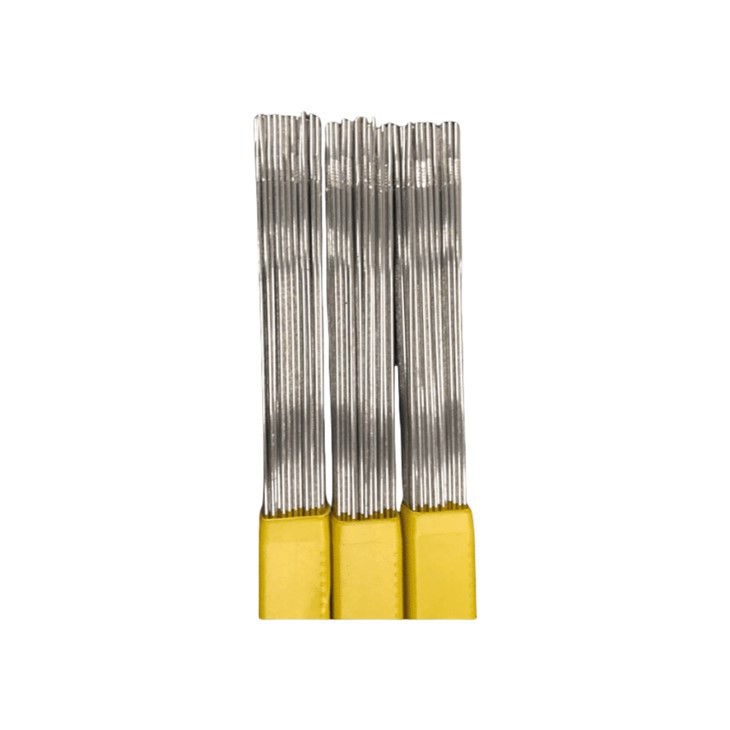

As a leading supplier of black stainless wire, we are committed to providing our customers with high - quality products that offer excellent bendability and performance. Whether you are a jewelry maker, a construction professional, or a manufacturer, we have the right black stainless wire solutions for you.
If you have any questions about our black stainless wire products or would like to discuss your specific requirements, please don't hesitate to contact us. We look forward to working with you and helping you find the best wire solutions for your projects.
References
- ASM Handbook Volume 1: Properties and Selection: Irons, Steels, and High - Performance Alloys. ASM International.
- Stainless Steel Handbook. The Nickel Institute.