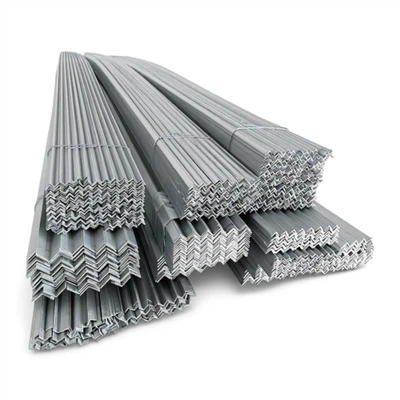
When it comes to handling steel solid angle bars, safety precautions are of utmost importance. As a supplier of Steel Solid Angle Bars, I understand the significance of ensuring that every step in the handling process is carried out with the highest level of safety in mind. In this blog, I will discuss the various safety precautions that should be taken when dealing with these materials.
Personal Protective Equipment (PPE)
One of the first and most crucial safety measures is the use of appropriate Personal Protective Equipment (PPE). Workers handling steel solid angle bars should always wear safety glasses to protect their eyes from flying debris, such as metal shavings or sparks that may occur during cutting or grinding operations. Safety glasses with side shields provide additional protection from lateral impacts.
Steel - toed boots are also essential. They protect the feet from heavy angle bars that might accidentally fall on them. A dropped angle bar can cause serious foot injuries, including fractures and crush injuries. Wearing steel - toed boots significantly reduces the risk of such accidents.
Gloves are another important piece of PPE. When handling steel solid angle bars, workers should wear gloves that offer both cut - resistance and grip. Cut - resistant gloves protect the hands from sharp edges of the angle bars, which can easily cause lacerations. Good grip is necessary to ensure that the angle bars are held securely during handling, reducing the risk of dropping them.
Lifting and Handling
Lifting steel solid angle bars requires proper techniques to prevent back injuries and other musculoskeletal disorders. Workers should be trained in correct lifting methods. This includes bending at the knees, keeping the back straight, and using the leg muscles to lift the load. Avoid twisting the body while lifting, as this can put excessive stress on the spine.
When using lifting equipment, such as cranes or forklifts, it is crucial to ensure that the equipment is in good working condition. Regular inspections should be carried out to check for any signs of wear and tear, such as damaged cables or hydraulic leaks. The lifting equipment should be rated to handle the weight of the steel solid angle bars. Overloading the equipment can lead to equipment failure and potentially dangerous situations.
For manual lifting of smaller angle bars, it is advisable to use a lifting aid, such as a lifting strap or a bar gripper. These tools help distribute the weight evenly and make it easier to lift and carry the angle bars.
Storage
Proper storage of steel solid angle bars is essential for safety. Angle bars should be stored in a stable and organized manner. They can be stacked on a flat and level surface, preferably on a pallet or a rack. Stacking the bars in an orderly fashion helps prevent them from toppling over.
When stacking angle bars, it is important to ensure that the stack is not too high. A high stack is more likely to become unstable and collapse. The maximum height of the stack should be determined based on the size and weight of the angle bars.
If the angle bars are stored outdoors, they should be protected from the elements. Exposure to rain and moisture can cause rusting, which weakens the bars and makes them more prone to breakage. Covering the stacks with a waterproof tarp can help protect the angle bars from the weather.
Cutting and Welding
Cutting and welding steel solid angle bars are common operations that require special safety precautions. When cutting angle bars, proper ventilation is necessary to remove fumes and dust. Cutting operations can produce harmful gases and fine metal particles, which can be inhaled and cause respiratory problems. Using a local exhaust ventilation system can effectively remove these contaminants from the work area.
When welding angle bars, in addition to ventilation, welders should wear appropriate welding PPE. This includes a welding helmet with a proper shade lens to protect the eyes from the intense light and radiation produced during welding. Welding gloves, a welding jacket, and safety shoes are also necessary to protect the body from sparks and heat.
Before starting any cutting or welding operation, the work area should be cleared of any flammable materials. Sparks from cutting and welding can easily ignite flammable substances, leading to fires. A fire extinguisher should be readily available in the work area in case of an emergency.
Transportation
Transporting steel solid angle bars also requires safety precautions. If the angle bars are being transported on a vehicle, they should be secured properly to prevent them from shifting during transit. Straps or chains can be used to tie down the angle bars to the vehicle. The load should be evenly distributed to maintain the balance of the vehicle.
When loading and unloading the angle bars from the vehicle, the same lifting and handling safety measures should be followed. Workers should be careful not to let the angle bars fall off the vehicle or hit other objects during the process.


Training and Education
All workers involved in handling steel solid angle bars should receive comprehensive safety training. This training should cover all aspects of handling, including the use of PPE, lifting techniques, storage, cutting, welding, and transportation. Regular safety meetings should be held to reinforce safety procedures and to discuss any new safety concerns.
Providing workers with access to safety information, such as safety data sheets (SDS), is also important. SDS provide detailed information about the properties of the steel solid angle bars, including any potential hazards and safety precautions.
Conclusion
In conclusion, handling steel solid angle bars safely requires a combination of proper PPE, correct lifting and handling techniques, appropriate storage, safe cutting and welding practices, and careful transportation. As a supplier of Steel Solid Angle Bars, I am committed to promoting safety in every aspect of the handling process.
If you are interested in purchasing Standard Angle Bar, Welding Angle Bar, or L Type Angle Bar, please feel free to contact us for more information and to discuss your procurement needs. We are here to provide you with high - quality steel solid angle bars and to ensure that you have all the necessary information to handle them safely.
References
- Occupational Safety and Health Administration (OSHA) standards related to metal handling and fabrication.
- Manufacturer's guidelines for steel solid angle bars.
- Industry best practices for safety in the steel industry.