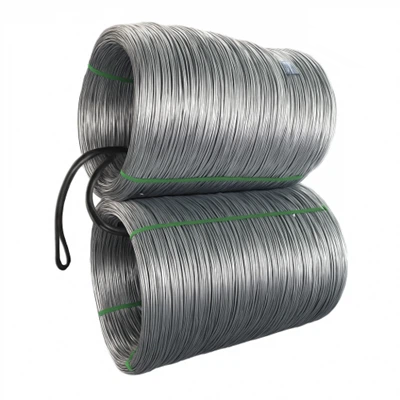
Hey there! I'm a supplier of flat bar stocks, and I often get asked about what these bad boys are made of. Well, you're in luck because I'm about to spill the beans on all the different materials used to make flat bar stocks.
Stainless Steel
Stainless steel is hands - down one of the most popular materials for flat bar stocks. It's got a bunch of great qualities that make it a go - to choice in many industries.
316 Stainless Steel Flat Bar
One type that stands out is the 316 Stainless Steel Flat Bar. This stainless steel alloy contains molybdenum, which gives it excellent resistance to corrosion, especially in harsh environments like marine settings. If you're building something that's going to be exposed to saltwater or chemicals, 316 stainless steel flat bars are a fantastic option. They're also pretty tough and can withstand a fair amount of wear and tear. You'll often find them in construction, food processing equipment, and even in some high - end architectural applications.
410 Stainless Steel Flat Bar
Then there's the 410 Stainless Steel Flat Bar. It's a martensitic stainless steel, which means it can be heat - treated to achieve high strength and hardness. This makes it suitable for applications where you need a flat bar that can handle heavy loads or resist abrasion. You might see 410 stainless steel flat bars in machinery parts, cutlery, and even in some automotive components. It doesn't have the same level of corrosion resistance as 316, but it's still pretty good in normal environments.
Polished Stainless Steel Flat Bar
And let's not forget about the Polished Stainless Steel Flat Bar. This one is all about looks and functionality. The polished finish not only gives it a sleek and shiny appearance but also makes it easier to clean and maintain. It's often used in decorative applications, such as handrails, furniture accents, and display stands. Of course, it still retains the corrosion - resistant properties of stainless steel, so it's durable too.
Carbon Steel
Carbon steel is another common material for flat bar stocks. It's made primarily of iron and carbon, with a small amount of other elements.
Mild Carbon Steel
Mild carbon steel is the most basic type. It's relatively inexpensive and easy to work with. You can cut, weld, and shape it without too much hassle. Mild carbon steel flat bars are used in a wide range of applications, from general construction to DIY projects. They're not as corrosion - resistant as stainless steel, so they usually need to be painted or coated to protect them from rust. You'll find them in things like frames, supports, and simple machinery parts.
High - Carbon Steel
On the other end of the spectrum, we have high - carbon steel. This stuff is much stronger and harder than mild carbon steel. It's often used in applications where you need a flat bar with high wear resistance, like cutting tools, springs, and blades. However, high - carbon steel is also more brittle and can be more difficult to work with. It requires special heat - treating processes to get the right properties.
Aluminum
Aluminum flat bar stocks are becoming increasingly popular, especially in industries where weight is a concern.
6061 Aluminum
6061 aluminum is a common alloy used for flat bars. It has a good balance of strength, corrosion resistance, and workability. It's lightweight, which makes it ideal for applications in the aerospace, automotive, and marine industries. You can use 6061 aluminum flat bars to make frames, brackets, and other structural components without adding a lot of extra weight. It also has good machinability, so it can be easily cut, drilled, and shaped.
2024 Aluminum
2024 aluminum is another option. It's a high - strength alloy that's often used in applications where you need a flat bar to withstand high stress. It's commonly found in aircraft structures, where weight savings are crucial, but strength is non - negotiable. However, 2024 aluminum is more prone to corrosion than 6061, so it may need to be protected with a coating.
Brass
Brass is an alloy of copper and zinc, and it has a number of unique properties that make it suitable for flat bar stocks.
Yellow Brass
Yellow brass is the most well - known type. It has a bright, golden color that gives it an attractive appearance. It's also highly corrosion - resistant, especially in non - acidic environments. Yellow brass flat bars are often used in decorative applications, plumbing fixtures, and electrical components. They're easy to machine and can be soldered or brazed, which makes them versatile for different projects.
Naval Brass
Naval brass is a special type of brass that contains a small amount of tin. This gives it even better corrosion resistance, especially in marine environments. Naval brass flat bars are used in applications like shipbuilding, marine hardware, and underwater equipment.
Copper
Copper flat bar stocks are known for their excellent electrical and thermal conductivity.

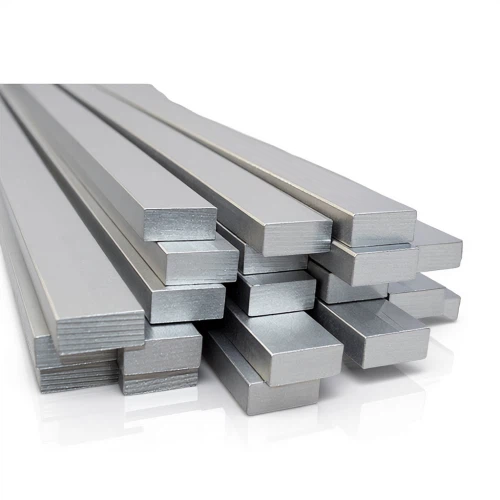
Pure Copper
Pure copper is a great choice when you need a flat bar for electrical applications. It can conduct electricity with very low resistance, making it ideal for wiring, bus bars, and electrical connectors. It also has good corrosion resistance, especially in certain environments. However, pure copper is relatively soft, so it may not be suitable for applications where high strength is required.
Copper Alloys
There are also copper alloys, like bronze, which are often used for flat bars. Bronze is an alloy of copper and tin, and it has better strength and wear resistance than pure copper. You'll find bronze flat bars in applications such as bearings, bushings, and musical instruments.
Other Materials
There are also some other materials used to make flat bar stocks, although they're not as common.
Titanium
Titanium is a super - strong and lightweight material. It has excellent corrosion resistance, even in extremely harsh environments. Titanium flat bar stocks are used in high - end applications, such as aerospace, medical implants, and high - performance sports equipment. However, titanium is very expensive, which limits its use to specialized industries.
Nickel Alloys
Nickel alloys are known for their high - temperature resistance and corrosion resistance. They're often used in applications where the flat bar will be exposed to extreme heat or corrosive chemicals, such as in the chemical processing and power generation industries.
So, there you have it! A whole bunch of different materials that flat bar stocks can be made of. Each material has its own unique properties and uses, so it's important to choose the right one for your specific application.
If you're in the market for flat bar stocks and need some advice on which material is best for you, or if you want to place an order, feel free to reach out. I'm here to help you find the perfect flat bar stocks for your project.
References
- ASM Handbook Committee. (2000). ASM Handbook Volume 1: Properties and Selection: Irons, Steels, and High - Performance Alloys. ASM International.
- Metals Handbook Committee. (1990). Metals Handbook Desk Edition. ASM International.