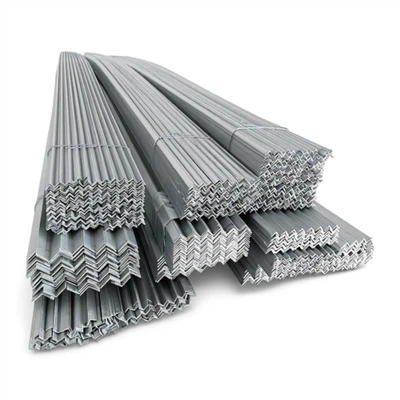
Hey there! As a supplier of black stainless wire, I often get asked about the difference between black stainless wire and black - anodized wire. It's a pretty common question, and I'm here to break it down for you in a way that's easy to understand.
Let's start with black stainless wire. Black stainless wire is made from stainless steel, which is an alloy composed mainly of iron, chromium, and sometimes other elements like nickel, molybdenum, etc. The "black" part comes from a special treatment that gives the wire its dark color. This treatment can vary, but it usually involves some form of surface oxidation or coating.
One of the big advantages of black stainless wire is its durability. Stainless steel itself is known for its resistance to corrosion, rust, and staining. So, even in harsh environments, black stainless wire can hold up well. For example, if you're using it in outdoor applications like fencing or landscaping, it won't easily degrade due to exposure to moisture, sunlight, or chemicals.
Another great thing about black stainless wire is its strength. It has a high tensile strength, which means it can withstand a lot of pulling force without breaking. This makes it suitable for applications where you need a strong and reliable wire, such as in industrial settings for suspending heavy objects or in construction for reinforcement.
Now, let's talk about black - anodized wire. Anodizing is an electrochemical process that creates a protective oxide layer on the surface of a metal. In the case of black - anodized wire, the base metal is typically aluminum or titanium. The anodizing process not only gives the wire its black color but also enhances its corrosion resistance and wear resistance.
One of the key differences between black - anodized wire and black stainless wire is the base metal. Aluminum and titanium are generally lighter than stainless steel. So, if weight is a concern in your application, black - anodized wire might be a better choice. For instance, in aerospace or automotive industries, where reducing weight can improve fuel efficiency and performance, black - anodized wire could be more suitable.
However, black - anodized wire may not be as strong as black stainless wire. The anodized layer is relatively thin, and while it provides some protection, it can be scratched or damaged more easily than the surface of stainless steel. So, in applications where you need a wire that can handle high stress and rough handling, black stainless wire would be the better option.
In terms of appearance, both black stainless wire and black - anodized wire have a sleek and modern look. But the finish of black - anodized wire is often more uniform and has a smoother texture. This can make it more aesthetically pleasing in applications where appearance is important, such as in jewelry making or decorative arts.
Let's take a look at some specific applications to further illustrate the differences.
If you're in the architecture and design field, black stainless wire can be used for creating modern and minimalist railings. Its strength and durability ensure the safety of the structure, while its black color adds a touch of sophistication. You can check out our 347H Stainless Wire, which is a great option for such applications. It has excellent corrosion resistance and high temperature performance.
On the other hand, black - anodized wire might be used for creating lightweight and stylish sculptures or decorative elements. Its light weight allows for more creative freedom in design, and the smooth finish gives it a professional look.
In the industrial sector, black stainless wire is often used for conveyor belts, cable assemblies, and filtration systems. Our Stainless Steel 316Ti Wire Mesh is a popular choice for filtration applications. It has a high resistance to corrosion and can effectively filter out particles of different sizes.
Black - anodized wire, on the other hand, could be used in electronics for making connectors or in the medical field for certain types of implants due to its biocompatibility.
When it comes to cost, black stainless wire is generally more expensive than black - anodized wire. This is mainly because stainless steel is more costly than aluminum or titanium, and the manufacturing process for stainless steel wire is also more complex. However, you need to consider the long - term cost as well. Black stainless wire's durability means you may not have to replace it as often as black - anodized wire, which could save you money in the long run.
In conclusion, the choice between black stainless wire and black - anodized wire depends on your specific needs. If you need a strong, durable, and heavy - duty wire, black stainless wire is the way to go. But if weight is a major factor and you can compromise a bit on strength, black - anodized wire might be a better option.
If you're interested in purchasing black stainless wire for your project, I'd love to have a chat with you. We offer a wide range of black stainless wire products, including 317L Stainless Steel Wire, which has excellent corrosion resistance in harsh environments. Just reach out to me, and we can discuss your requirements in detail.
References:
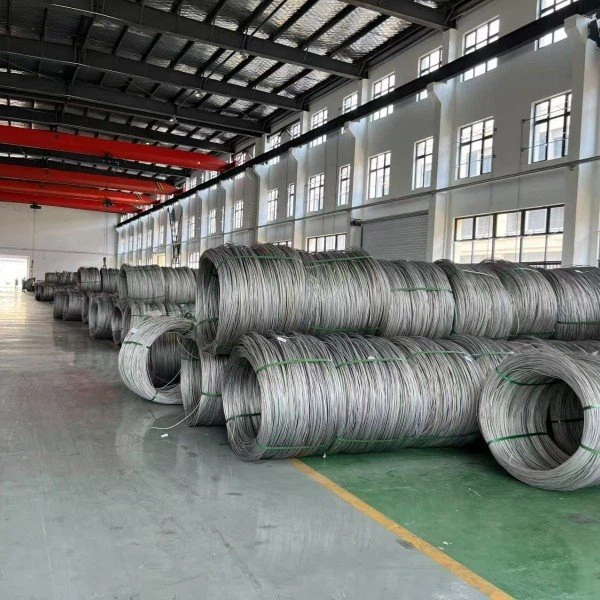
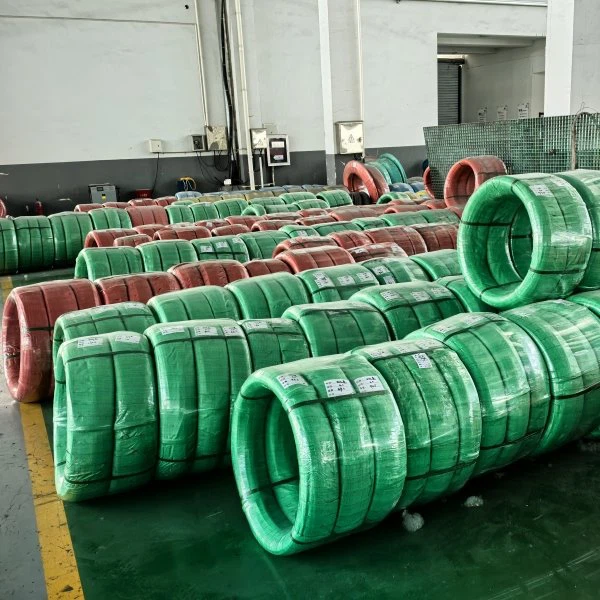
- "Stainless Steel Handbook" - A comprehensive guide on the properties and applications of stainless steel.
- "Anodizing of Metals" - A technical resource on the anodizing process and its effects on different metals.