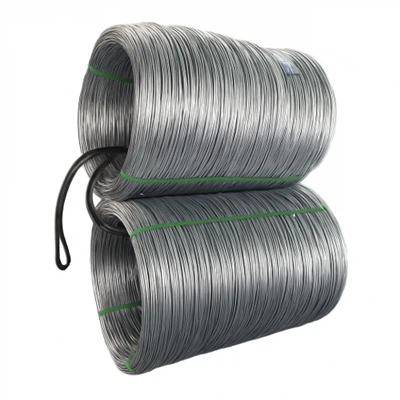
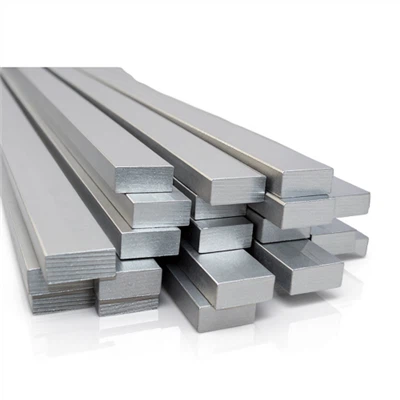
As an indispensable basic material in modern industry, stainless steel wires play an important role in construction, medical equipment, food processing, aerospace and other fields. Understanding and complying with relevant implementation standards is crucial to ensuring product quality and performance.
At present, the international implementation standards for stainless steel wires mainly refer to the standards of the International Organization for Standardization (ISO) and various countries and regions. ISO 683-13 is a key international standard that specifies in detail the key parameters of stainless steel wires such as chemical composition, mechanical properties, hardness and dimensional tolerance. These regulations ensure the reliability and interoperability of stainless steel wires in different application fields.
In China, the production and sales of stainless steel wires must follow the national standard GB/T 4240. This standard clarifies the various grades of stainless steel wires and their corresponding chemical composition and mechanical property requirements. Through these strict specifications, the quality of stainless steel wire products in the domestic market is guaranteed to reach international standards.
The implementation standards of stainless steel wires are not just simple regulations on chemical composition and mechanical properties, but also involve key indicators such as corrosion resistance and high temperature performance of materials. Taking mechanical properties as an example, the precise determination of tensile strength and elongation ensures that the filaments can work stably and not break easily when subjected to force.
These standards are not only about product quality, but also a reflection of corporate competitiveness. Companies that strictly abide by the implementation standards can win the trust of customers and thus enhance their competitiveness in the international market. For foreign trade companies, being familiar with and following the relevant standards of different countries and regions is a prerequisite for entering the international market.
With the continuous advancement of science and technology and the rapid development of industry, the implementation standards of stainless steel filaments will continue to improve to meet the higher demands of the future market.