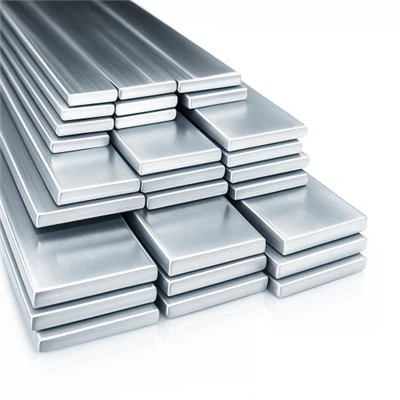
Hey there! As a supplier of 316 stainless steel wire, I've gotten a ton of questions about its weldability compared to other materials. So, I thought I'd sit down and write this blog to share what I've learned over the years.
Let's start with what 316 stainless steel wire is all about. 316 stainless steel is an austenitic stainless steel alloy. It contains chromium, nickel, and molybdenum. The molybdenum gives it better corrosion resistance, especially against chloride - based environments like saltwater. This makes 316 stainless steel wire a top choice in industries such as marine, food processing, and chemical processing.
Now, let's talk about weldability. Weldability refers to how easily a material can be welded to form a strong, reliable joint. When it comes to 316 stainless steel wire, it has some pretty good weldability features.
One of the great things about 316 stainless steel wire is its low carbon content. This helps to prevent the formation of chromium carbides during the welding process. Chromium carbides can reduce the corrosion resistance of the welded area. So, with 316 stainless steel wire, you're less likely to have issues with corrosion around the weld.
Another advantage is its austenitic structure. Austenitic stainless steels like 316 are generally more ductile and have better toughness compared to some other materials. This means that the welded joints are less likely to crack under stress.
But it's not all sunshine and rainbows. During the welding of 316 stainless steel wire, you need to be careful about heat input. Too much heat can cause grain growth in the weld area, which can reduce the mechanical properties of the joint. Also, if the welding environment isn't properly controlled, there's a risk of oxidation, which can lead to porosity in the weld.
Now, let's compare it to other materials. First up, 304L Stainless Steel Welding Wire. 304L is also an austenitic stainless steel, but it has a lower molybdenum content than 316. In terms of weldability, both 304L and 316 have good weldability due to their low carbon content and austenitic structure. However, 316 offers better corrosion resistance, especially in harsh environments. So, if you're welding for a project in a marine or chemical - rich environment, 316 might be a better choice.
Next, 304N Stainless Steel Wire. 304N contains nitrogen, which enhances its strength. When it comes to welding, 304N can be a bit trickier than 316. The nitrogen can cause some issues during the welding process, such as porosity and cracking. 316, on the other hand, is more forgiving in this regard.

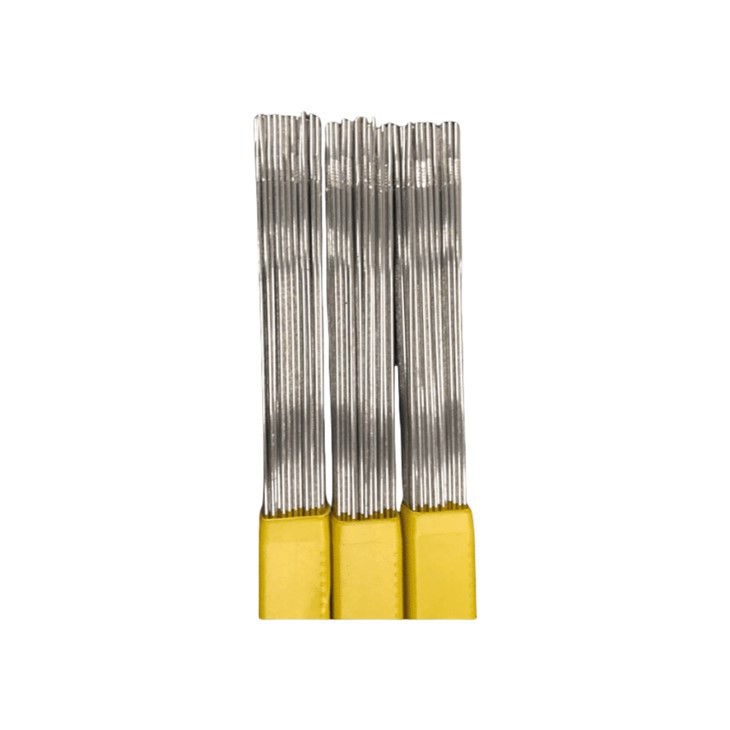
Then there's Black Stainless Wire. Black stainless wire is usually a type of stainless steel with a special black finish. Weldability can vary depending on the specific composition of the black stainless wire. In general, 316 stainless steel wire has more consistent and well - understood weldability characteristics.
In the welding process of 316 stainless steel wire, different welding methods can be used. TIG (Tungsten Inert Gas) welding is a popular choice. It allows for precise control of the heat input, which is crucial for preventing issues like grain growth. MIG (Metal Inert Gas) welding is also an option, but it might require more careful control of the shielding gas to prevent oxidation.
When you're welding 316 stainless steel wire, pre - cleaning is essential. Any dirt, oil, or grease on the wire can cause problems during welding. You can use solvents or mechanical methods to clean the wire before welding.
Post - welding treatment is also important. Heat treatment can be used to relieve stress in the welded joint and improve its mechanical properties. Passivation is another process that can be done to enhance the corrosion resistance of the welded area.
In conclusion, 316 stainless steel wire has excellent weldability, especially when compared to some other materials. Its low carbon content, austenitic structure, and good corrosion resistance make it a great choice for a wide range of welding applications. Whether you're working on a small DIY project or a large industrial job, 316 stainless steel wire can provide reliable and high - quality welded joints.
If you're in the market for 316 stainless steel wire or have any questions about its weldability or other properties, don't hesitate to reach out. I'm here to help you make the best choice for your project.
References
- "Stainless Steel Welding Handbook"
- Industry reports on stainless steel materials and welding