What is the weight of a standard angle bar per meter?
As a dedicated supplier of standard angle bars, I often encounter inquiries from clients about the weight of these essential construction materials per meter. Understanding this aspect is crucial for various construction and engineering projects, as it helps in accurate planning, cost - estimation, and ensuring structural integrity.
Understanding Standard Angle Bars
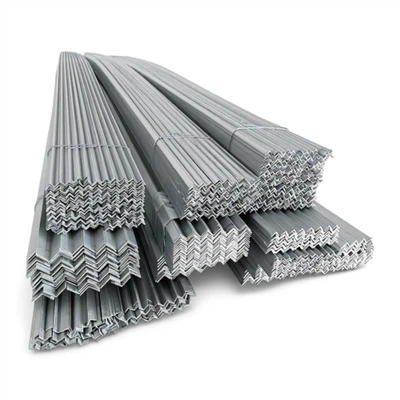
Standard angle bars are L - shaped structural steel elements that are widely used in construction, manufacturing, and engineering applications. They come in different sizes, thicknesses, and materials, each with its own unique weight characteristics. The two most common types of angle bars are L Type Angle Bar and Welding Angle Bar, which are sub - types of the broader Standard Angle Bar category.
Factors Affecting the Weight of Standard Angle Bars
The weight of a standard angle bar per meter is determined by several factors:
- Material: Different materials have different densities, which directly impact the weight. For example, stainless steel has a density of approximately 7,930 kg/m³, while carbon steel has a density around 7,850 kg/m³. Aluminum angle bars, on the other hand, are much lighter, with a density of about 2,700 kg/m³.
- Size and Dimensions: The size of the angle bar, specifically the length of its two legs and the thickness of the material, plays a significant role. Larger angle bars with thicker legs will generally weigh more per meter than smaller, thinner ones. For instance, an angle bar with 50mm x 50mm legs and a 5mm thickness will weigh more than a 30mm x 30mm angle bar with a 3mm thickness.
- Manufacturing Process: The manufacturing process can also have a minor effect on the weight. Some processes may result in a more uniform structure, while others might introduce small variations in density or surface finish that can slightly alter the overall weight.
Calculating the Weight of Standard Angle Bars
The weight of a standard angle bar per meter can be calculated using the following formula:
[W = 0.00785\times t\times(A + B - t)]
where (W) is the weight per meter in kilograms, (t) is the thickness of the angle bar in millimeters, (A) and (B) are the lengths of the two legs of the angle bar in millimeters, and 0.00785 is the density factor for carbon steel in kg/mm³.
Let's take an example. Suppose we have a carbon steel angle bar with leg lengths (A = 60) mm and (B = 60) mm and a thickness (t = 6) mm.
[W=0.00785\times6\times(60 + 60-6)]
[W = 0.00785\times6\times114]
[W=0.00785\times684]
[W = 5.3694] kg/m
For stainless steel angle bars, since the density is different (approximately 7,930 kg/m³ or 0.00793 kg/mm³), the formula becomes:
[W = 0.00793\times t\times(A + B - t)]
Weight Tables for Standard Angle Bars
To simplify the process, many manufacturers and suppliers provide weight tables for standard angle bars. These tables list the weight per meter for different sizes and materials of angle bars. For example, a common table might show that a 40mm x 40mm carbon steel angle bar with a 4mm thickness weighs approximately 2.42 kg/m, while a 100mm x 100mm carbon steel angle bar with a 10mm thickness weighs around 15.12 kg/m.
Importance of Knowing the Weight per Meter
Knowing the weight of a standard angle bar per meter is essential for several reasons:
- Structural Design: Engineers need to know the weight to ensure that the structure can support the load. Incorrect weight calculations can lead to structural failures or over - engineering, which can be costly.
- Transportation and Handling: The weight affects transportation costs and the equipment required for handling. Heavier angle bars may require more robust lifting equipment and larger trucks for transportation.
- Cost Estimation: The weight is directly related to the cost of the angle bar. By knowing the weight per meter, contractors and project managers can accurately estimate the total cost of the materials needed for a project.
Our Offer as a Standard Angle Bar Supplier
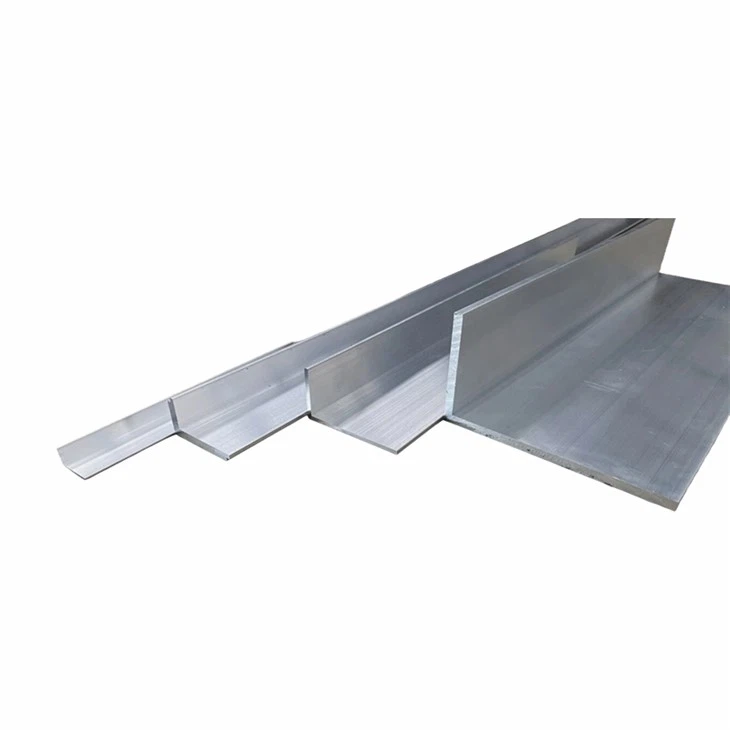
As a leading supplier of Standard Angle Bar, we offer a wide range of angle bars in different materials, sizes, and thicknesses. Our products are manufactured to the highest quality standards, ensuring reliability and durability. We also provide detailed weight tables and technical support to help our clients make informed decisions.

We understand that every project is unique, and our team of experts is ready to assist you in selecting the right angle bars for your specific needs. Whether you are working on a small DIY project or a large - scale industrial construction, we have the products and knowledge to meet your requirements.
Contact Us for Procurement
If you are interested in purchasing standard angle bars, we encourage you to contact us for a detailed quote. Our sales team is standing by to discuss your needs, answer any questions you may have, and provide you with the best possible solutions. We offer competitive prices, timely delivery, and excellent customer service. Don't hesitate to reach out and start your procurement process today.
References
- "Structural Steel Design Handbook", Third Edition, by William T. Segui
- "Metals Handbook", Volume 1: Properties and Selection: Irons, Steels, and High - Performance Alloys, ASM International