Ensuring the proper alignment of angle bars during welding is a critical aspect of achieving high - quality and structurally sound welds. As a welding angle bar supplier, I understand the challenges that welders face in this process. In this blog, I will share some effective methods and best practices to ensure the alignment of angle bars during welding.
Understanding the Types of Angle Bars
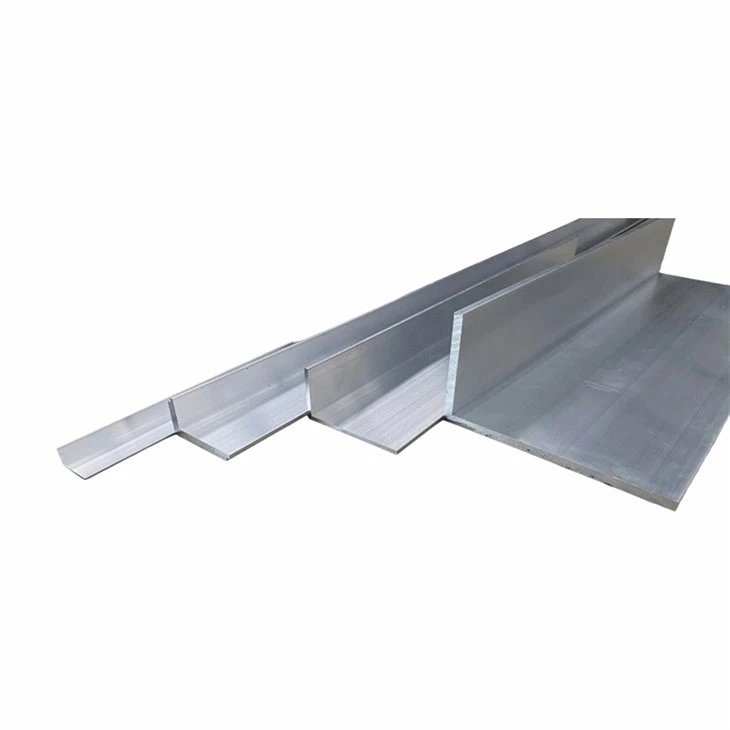
Before delving into the alignment process, it's essential to be familiar with the different types of angle bars available. We offer a variety of angle bars, including Standard Angle Bar, L Type Angle Bar, and Steel Solid Angle Bar. Each type has its own unique characteristics and applications, which can influence the alignment and welding process.
Standard angle bars are commonly used in general construction and structural applications. They are available in different sizes and thicknesses, providing flexibility for various projects. L type angle bars, as the name suggests, have an L - shaped cross - section. They are often used for corner reinforcement and framing. Steel solid angle bars are made of solid steel, offering high strength and durability, suitable for heavy - duty applications.
Pre - welding Preparation
The first step in ensuring proper alignment of angle bars during welding is thorough pre - welding preparation. This includes cleaning the angle bars, marking the alignment points, and selecting the appropriate welding equipment and consumables.

Cleaning the Angle Bars
Cleaning the angle bars is crucial to remove any dirt, rust, oil, or other contaminants that can affect the quality of the weld. Use a wire brush, grinder, or chemical cleaner to clean the surfaces of the angle bars where the weld will be made. Make sure to clean both the mating surfaces and the surrounding areas to prevent any impurities from entering the weld pool.
Marking the Alignment Points
Marking the alignment points on the angle bars is an effective way to ensure accurate positioning. Use a measuring tape, square, or scriber to mark the desired location and angle of the weld. This will help you align the angle bars precisely before welding. You can also use clamps or fixtures to hold the angle bars in place during the marking process.
Selecting the Appropriate Welding Equipment and Consumables
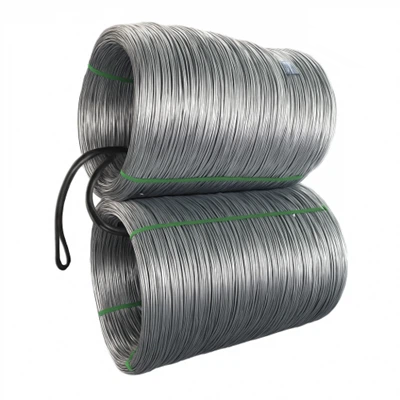
Choosing the right welding equipment and consumables is essential for achieving a successful weld. Consider the type and thickness of the angle bars, as well as the welding process you will be using. For example, if you are welding thin - gauge angle bars, you may want to use a gas metal arc welding (GMAW) process with a small - diameter welding wire. On the other hand, if you are welding thick - gauge angle bars, a shielded metal arc welding (SMAW) process with a larger - diameter electrode may be more suitable.
Alignment Techniques
There are several techniques that can be used to align angle bars during welding. The choice of technique depends on the type of angle bars, the welding process, and the specific requirements of the project.
Using Clamps and Fixtures
Clamps and fixtures are one of the most common and effective ways to align angle bars during welding. They can hold the angle bars in place, preventing them from moving or shifting during the welding process. There are different types of clamps available, such as C - clamps, bar clamps, and locking pliers. You can also use custom - made fixtures to hold the angle bars at a specific angle or position.
When using clamps, make sure to apply enough pressure to hold the angle bars firmly in place, but not so much that it deforms the bars. Place the clamps evenly along the length of the angle bars to ensure uniform pressure distribution. If necessary, use additional support or bracing to prevent the angle bars from bending or warping.
Using Alignment Jigs
Alignment jigs are specialized tools designed to help align angle bars accurately. They can be used to set the angle, position, and spacing of the angle bars before welding. Alignment jigs are available in different sizes and configurations, depending on the specific requirements of the project.
For example, a corner alignment jig can be used to align two angle bars at a 90 - degree angle. It typically consists of two arms that are adjustable to accommodate different sizes of angle bars. Place the angle bars in the jig, adjust the arms to the desired angle, and then use clamps to hold the bars in place. This will ensure precise alignment and a consistent weld joint.
Using Welding Templates
Welding templates are another useful tool for aligning angle bars. They are pre - cut or pre - formed shapes that can be used as a guide for positioning the angle bars. Welding templates can be made of metal, plastic, or wood, depending on the application.
To use a welding template, place it on the workpiece and position the angle bars against the template. The template will provide a reference for the correct position and angle of the weld. Use clamps or fixtures to hold the angle bars in place, and then proceed with the welding process.
During - welding Considerations
Once the angle bars are properly aligned, there are several factors to consider during the welding process to maintain the alignment and ensure a high - quality weld.
Welding Sequence
The welding sequence can have a significant impact on the alignment of the angle bars. It is important to choose a welding sequence that minimizes distortion and maintains the alignment of the bars. For example, when welding two angle bars together, start by making a few tack welds at the ends and middle of the joint. These tack welds will hold the bars in place and prevent them from moving during the main welding process.
After the tack welds are made, proceed with the main welding in a controlled manner. Weld in short segments, alternating between the two sides of the joint to balance the heat input and reduce distortion. If possible, use a back - step welding technique, where you weld in short lengths in the opposite direction of the overall weld progression. This can help counteract the shrinkage forces and maintain the alignment of the angle bars.
Heat Input Control
Controlling the heat input during welding is crucial to prevent distortion and ensure proper alignment of the angle bars. Excessive heat can cause the angle bars to warp or bend, while insufficient heat can result in a weak or incomplete weld.
To control the heat input, adjust the welding parameters such as the welding current, voltage, and travel speed. The appropriate welding parameters will depend on the type and thickness of the angle bars, as well as the welding process being used. Refer to the welding procedure specification (WPS) or consult with a welding expert to determine the optimal welding parameters for your project.
Monitoring the Alignment
During the welding process, it is important to monitor the alignment of the angle bars continuously. Use a square, level, or other measuring tools to check the angle and position of the bars. If any misalignment is detected, stop the welding process immediately and make the necessary adjustments.
You can also use a welding inspection mirror to check the backside of the weld joint for any signs of misalignment or distortion. If the misalignment is minor, you may be able to correct it by applying additional heat or pressure to the affected area. However, if the misalignment is significant, you may need to cut the weld and start over.
Post - welding Inspection
After the welding is completed, it is essential to conduct a thorough post - welding inspection to ensure the alignment of the angle bars and the quality of the weld. This includes visual inspection, dimensional inspection, and non - destructive testing (NDT).
Visual Inspection
Visual inspection is the most basic form of post - welding inspection. It involves visually examining the weld joint for any visible defects, such as cracks, porosity, or lack of fusion. Check the alignment of the angle bars to make sure they are within the specified tolerance. Look for any signs of distortion or warping, and ensure that the weld bead is smooth and uniform.
Dimensional Inspection
Dimensional inspection is used to measure the dimensions of the welded angle bars to ensure they meet the design requirements. Use a measuring tape, caliper, or micrometer to measure the length, width, and angle of the bars. Compare the measured dimensions with the specified dimensions to determine if any adjustments are needed.
Non - destructive Testing (NDT)
Non - destructive testing (NDT) techniques can be used to detect internal defects in the weld, such as cracks or lack of fusion, without damaging the workpiece. Common NDT methods include ultrasonic testing (UT), radiographic testing (RT), and magnetic particle testing (MT). Depending on the application and the requirements of the project, you may need to perform one or more of these NDT methods to ensure the quality of the weld.
Conclusion
Ensuring the alignment of angle bars during welding is a complex but essential process for achieving high - quality and structurally sound welds. By following the pre - welding preparation steps, using appropriate alignment techniques, considering the during - welding factors, and conducting thorough post - welding inspection, you can ensure that the angle bars are properly aligned and the welds meet the required standards.
As a welding angle bar supplier, we are committed to providing high - quality angle bars and technical support to our customers. If you have any questions or need assistance with your welding projects, please feel free to contact us for procurement and further discussion. We are here to help you achieve the best results in your welding applications.
References
- AWS Welding Handbook, American Welding Society
- Welding Metallurgy and Weldability of Stainless Steels, John C. Lippold and David J. Kotecki
- Welding Processes and Technology, Richard L. Petterson