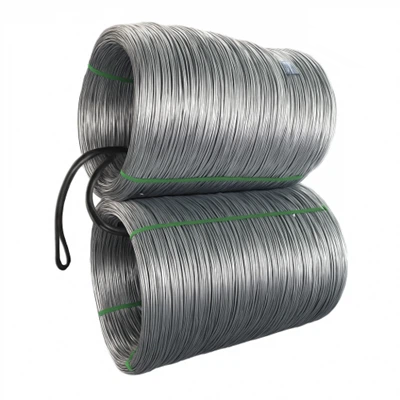
As a supplier of Steel Solid Angle Bars, I often encounter inquiries about various technical specifications, and one question that frequently comes up is: What is the straightness tolerance of a steel solid angle bar? In this blog post, I'll delve into this topic, explaining what straightness tolerance means, why it matters, and how it is determined for steel solid angle bars.
Understanding Straightness Tolerance
Straightness tolerance refers to the allowable deviation from a perfectly straight line in a given part or material. In the context of a steel solid angle bar, it represents the maximum amount by which the bar can deviate from a true straight line along its length. This deviation can occur in various forms, such as bowing, curving, or twisting.
The concept of straightness tolerance is crucial in engineering and manufacturing because it ensures that the components meet the required standards for fit, function, and performance. For example, in construction projects, steel solid angle bars are often used as structural elements. If the bars are not straight within the specified tolerance, it can lead to misalignments, weak joints, and ultimately, compromise the integrity of the entire structure.
Importance of Straightness Tolerance in Steel Solid Angle Bars
Structural Integrity
As mentioned earlier, the straightness of steel solid angle bars is directly related to the structural integrity of the projects they are used in. In buildings, bridges, and other infrastructure, these bars are often subjected to significant loads and stresses. A bar with excessive straightness deviation may not distribute these forces evenly, leading to localized stress concentrations that can cause premature failure.
Assembly and Fit
In manufacturing processes, steel solid angle bars are frequently assembled with other components to form larger structures or products. If the bars are not straight, it can make the assembly process difficult or even impossible. For instance, if a bar is bowed, it may not fit properly into pre-drilled holes or mating parts, resulting in a poor fit and potentially affecting the overall functionality of the final product.
Aesthetic Appeal
In some applications, the straightness of steel solid angle bars also plays a role in the aesthetic appeal of the finished product. For example, in architectural designs, straight and uniform bars can enhance the visual appearance of a building or structure. Deviations from straightness can be noticeable and may detract from the overall aesthetic quality.
Determining the Straightness Tolerance of Steel Solid Angle Bars
The straightness tolerance of steel solid angle bars is typically specified by industry standards and customer requirements. Different standards organizations, such as the American Society for Testing and Materials (ASTM) and the International Organization for Standardization (ISO), have established guidelines for the straightness tolerance of various types of steel bars, including solid angle bars.
Industry Standards
ASTM standards, for example, provide specific requirements for the straightness of steel bars based on their size, shape, and intended use. These standards define the maximum allowable deviation from straightness in terms of length and width. For instance, ASTM A36, which is a common standard for carbon structural steel, specifies a straightness tolerance of 1/8 inch in any 10 feet of length for bars up to 8 inches in width.
Customer Requirements
In addition to industry standards, customer requirements also play a significant role in determining the straightness tolerance of steel solid angle bars. Some customers may have specific applications that require a higher level of straightness than what is specified by the standard. In such cases, the supplier and the customer need to agree on the appropriate tolerance before the production process begins.
Measurement Methods
To ensure that the steel solid angle bars meet the specified straightness tolerance, accurate measurement methods are required. One common method is to use a straightedge or a laser measuring device. The straightedge is placed along the length of the bar, and the maximum gap between the straightedge and the bar is measured. Laser measuring devices, on the other hand, can provide more precise and detailed measurements of the bar's straightness.
Our Commitment as a Steel Solid Angle Bar Supplier
At our company, we understand the importance of straightness tolerance in steel solid angle bars. We are committed to providing our customers with high-quality products that meet or exceed the industry standards and their specific requirements.
Quality Control
We have a rigorous quality control system in place to ensure that every steel solid angle bar we produce meets the specified straightness tolerance. Our quality control team uses advanced measurement equipment to inspect the bars at various stages of the production process. Any bars that do not meet the tolerance are either reworked or rejected to ensure that only the highest quality products are delivered to our customers.
Customization
We also offer customization services to meet the unique needs of our customers. If you have specific straightness tolerance requirements that are different from the standard, we can work with you to develop a solution that meets your needs. Our experienced engineering team can provide technical support and guidance to ensure that the customized bars are suitable for your application.


Related Products
In addition to steel solid angle bars, we also offer a range of related products, including Welding Angle Bar and L Type Angle Bar. These products are also manufactured with the same high level of quality and attention to detail as our steel solid angle bars.
Contact Us for Procurement and Negotiation
If you are interested in purchasing steel solid angle bars or any of our other products, we encourage you to contact us for procurement and negotiation. Our sales team is ready to assist you with your inquiries, provide you with detailed product information, and offer competitive pricing. Whether you are a small contractor or a large construction company, we have the products and services to meet your needs. Visit our Steel Solid Angle Bar page to learn more about our products and get in touch with us today.
References
- American Society for Testing and Materials (ASTM). Various ASTM standards related to steel bars.
- International Organization for Standardization (ISO). ISO standards for steel products.
- Engineering textbooks on materials science and structural engineering.