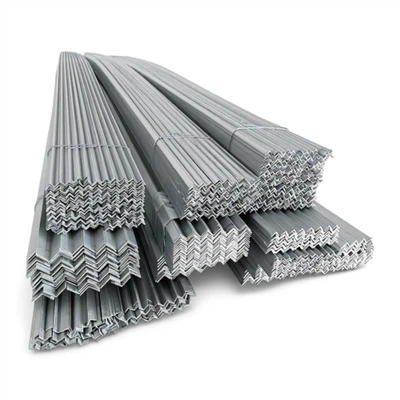
Hey there! As a supplier of Steel Solid Angle Bars, I'm super excited to walk you through the production process of these nifty products. So, let's dive right in!
Raw Material Selection
First things first, picking the right raw materials is crucial. We usually go for high - quality steel, and Stainless Steel is a top choice. Stainless Steel offers excellent corrosion resistance, strength, and durability. For instance, the Stainless Steel 304 Angle Bar is a popular option among our customers. It's made from grade 304 stainless steel, which contains chromium and nickel, giving it that shiny finish and great resistance to rust. You can check out more about Stainless Steel 304 Angle Bar on our website.
The steel we use comes in large billets or blooms. These are essentially big chunks of steel that are the starting point for our production. We source our raw materials from trusted suppliers who adhere to strict quality standards. This ensures that our Steel Solid Angle Bars are of the highest quality right from the get - go.
Heating the Raw Material
Once we've got our raw steel, it's time to heat it up. We use a furnace to heat the billets or blooms to a really high temperature, usually around 1200 - 1300 degrees Celsius. This high temperature makes the steel malleable, which means it can be easily shaped. The heating process is carefully controlled to ensure that the steel is heated evenly throughout. If the steel isn't heated properly, it can lead to uneven shaping and lower quality angle bars.
Rolling Process
After the steel is heated to the right temperature, it's transferred to a rolling mill. The rolling mill is a set of large rollers that compress and shape the heated steel. In the case of Steel Solid Angle Bars, the rollers are designed in such a way that they form the steel into the characteristic L - shape of an angle bar.
The rolling process is done in multiple passes. In each pass, the steel is gradually shaped closer to the final dimensions of the angle bar. The rollers apply a lot of pressure on the steel, which also helps to improve its internal structure and strength. As the steel passes through the rollers, it gets longer and thinner, taking on the shape of the angle bar.
Cooling
Once the rolling process is complete, the newly formed Steel Solid Angle Bar needs to be cooled down. Cooling is a critical step because it affects the mechanical properties of the angle bar. We use a controlled cooling process, which can involve air cooling or water quenching, depending on the type of steel and the desired properties of the angle bar.
Air cooling is a slower process and is often used for steels that require a more uniform and less brittle structure. Water quenching, on the other hand, is a faster cooling method and can be used to increase the hardness of the angle bar. However, water quenching also needs to be carefully controlled to avoid cracking or warping of the angle bar.
Cutting and Finishing
After the angle bar has cooled down, it's time to cut it into the desired lengths. We use precision cutting tools to ensure that each angle bar is cut to the exact specifications. This can be anything from a few inches to several feet, depending on the customer's requirements.


Once the cutting is done, we perform some finishing operations. This can include deburring, which is the process of removing any sharp edges or burrs from the cut ends of the angle bar. We also clean the angle bars to remove any dirt, scale, or other contaminants that may have accumulated during the production process.
Quality Control
Quality control is an ongoing process throughout the production of Steel Solid Angle Bars. We have a team of quality control experts who inspect the angle bars at every stage of the production process. They check for things like dimensions, surface finish, and mechanical properties.
We use a variety of testing methods, including ultrasonic testing, magnetic particle testing, and chemical analysis. Ultrasonic testing is used to detect any internal defects in the angle bar, such as cracks or voids. Magnetic particle testing is used to find surface and near - surface defects. Chemical analysis is done to ensure that the steel has the right chemical composition.
Welding (Optional)
In some cases, customers may require welded angle bars. Welding Angle Bar can be used in a variety of applications where a stronger joint is needed. If welding is required, we use advanced welding techniques and high - quality welding materials.
The welding process is also carefully controlled to ensure that the welds are strong and durable. Our welders are highly skilled and trained to follow strict welding procedures. After welding, the welded angle bars are also inspected to ensure that the welds meet the required quality standards.
Packaging and Shipping
Once the Steel Solid Angle Bars have passed all the quality control checks, they are ready to be packaged and shipped. We use high - quality packaging materials to protect the angle bars during transportation. This can include plastic wrapping, wooden crates, or steel bands.
We work with reliable shipping partners to ensure that the angle bars are delivered to our customers in a timely and safe manner. We can ship our products both locally and internationally, depending on the customer's location.
Why Choose Our Steel Solid Angle Bars
As a supplier, we take pride in offering high - quality Steel Solid Angle Bars. Our products are made using the latest production techniques and the best raw materials. We have a wide range of sizes and grades available, so we can meet the diverse needs of our customers.
Whether you're in the construction industry, manufacturing, or any other sector that requires angle bars, our Steel Solid Angle Bar is a great choice. We offer competitive prices, excellent customer service, and fast delivery.
Contact Us for Your Angle Bar Needs
If you're interested in purchasing Steel Solid Angle Bars, we'd love to hear from you. Whether you have a small project or a large - scale industrial requirement, we can provide you with the right angle bars at the right price. Just reach out to us, and our sales team will be happy to assist you in finding the perfect solution for your needs. Don't hesitate to start a conversation with us about your angle bar requirements.
References
- "Steel Rolling Technology" by John Doe
- "Stainless Steel Handbook" by Jane Smith
- Industry standards and guidelines for steel production and quality control.