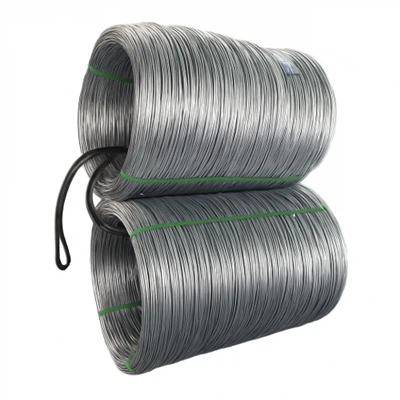
Stainless steel wire is a versatile and widely used material in various industries, thanks to its excellent corrosion resistance, strength, and durability. One of the key factors that determine the properties of stainless steel wire is its nickel content. In this blog post, we'll explore what nickel content means in stainless steel wire, how it affects the wire's performance, and the different nickel levels in common stainless steel wire grades. As a stainless steel wire supplier, we'll also provide insights into choosing the right wire for your specific applications.
Understanding Nickel in Stainless Steel Wire
Nickel is a crucial alloying element in stainless steel. When added to steel, it enhances several important properties, including corrosion resistance, ductility, and toughness. In stainless steel wire, nickel plays a significant role in forming a stable and passive oxide layer on the surface of the wire. This oxide layer acts as a protective barrier, preventing the wire from reacting with the surrounding environment and thus reducing the risk of corrosion.
The amount of nickel in stainless steel wire can vary widely depending on the grade of stainless steel. Different grades are designed to meet specific requirements in various applications, and the nickel content is one of the main factors that distinguish these grades.


Common Stainless Steel Wire Grades and Their Nickel Content
304 Stainless Steel Wire
304 stainless steel is one of the most commonly used grades in stainless steel wire. It typically contains between 8% and 10.5% nickel. This moderate nickel content gives 304 stainless steel wire good corrosion resistance in a wide range of environments, including mild industrial and marine applications. The wire is also known for its excellent formability and weldability, making it suitable for a variety of fabrication processes. For example, it can be used in the production of wire mesh, springs, and fasteners. You can find high - quality 304L Annealed Stainless Steel Wire in our product range, which offers enhanced corrosion resistance and is ideal for applications where a high level of purity is required.
302 Stainless Steel Wire
302 stainless steel wire is similar to 304 but with a slightly lower carbon content and a nickel content ranging from 8% to 10%. It has good mechanical properties and is often used in spring applications due to its high strength and elasticity. The 302 Stainless Steel Spring Wire we supply is carefully manufactured to ensure consistent quality and performance, making it a reliable choice for various spring - related projects.
316 Stainless Steel Wire
316 stainless steel wire contains a higher nickel content, usually between 10% and 14%. In addition to nickel, it also has a significant amount of molybdenum (about 2% - 3%), which further enhances its corrosion resistance, especially in chloride - rich environments such as marine settings. This makes 316 stainless steel wire an excellent choice for applications where exposure to saltwater or other corrosive substances is expected. Our Stainless Steel 316Ti Wire Mesh is made from high - quality 316 stainless steel with titanium added for better weldability and resistance to intergranular corrosion.
200 Series Stainless Steel Wire
The 200 series stainless steel wire is a more economical alternative. It contains a relatively low nickel content, typically around 1% - 5%. These grades are often used in applications where cost is a major consideration and the corrosion resistance requirements are not as stringent. However, their corrosion resistance is generally lower compared to the 300 series stainless steel wires.
Impact of Nickel Content on Stainless Steel Wire Properties
Corrosion Resistance
As mentioned earlier, nickel is a key element in enhancing the corrosion resistance of stainless steel wire. Higher nickel content generally means better resistance to corrosion, especially in harsh environments. For example, in marine applications where the wire is exposed to saltwater, 316 stainless steel wire with its higher nickel and molybdenum content will perform much better than 304 or 200 series wires.
Ductility and Formability
Nickel also improves the ductility and formability of stainless steel wire. Wires with higher nickel content can be more easily bent, shaped, and drawn into different sizes without breaking. This is particularly important in applications where the wire needs to be fabricated into complex shapes, such as in the production of wire art or precision components.
Strength and Toughness
While nickel is not the only factor affecting the strength and toughness of stainless steel wire, it does contribute to these properties. A proper amount of nickel can help the wire maintain its strength and toughness even under high - stress conditions. This is crucial in applications such as springs, where the wire needs to withstand repeated loading and unloading cycles without losing its elasticity.
Choosing the Right Stainless Steel Wire Based on Nickel Content
When selecting a stainless steel wire for your project, it's essential to consider the nickel content based on the specific requirements of your application. Here are some guidelines:
- Corrosive Environments: If your wire will be exposed to corrosive substances such as saltwater, chemicals, or acidic solutions, choose a grade with a higher nickel content, such as 316 stainless steel wire.
- Fabrication Requirements: For applications that require extensive forming and shaping, a wire with good ductility and formability, like 304 or 316, is a better choice.
- Cost Considerations: If cost is a major concern and the corrosion resistance requirements are relatively low, 200 series stainless steel wire may be suitable.
Conclusion
Nickel content is a critical factor in determining the properties and performance of stainless steel wire. Different grades of stainless steel wire with varying nickel contents are available to meet the diverse needs of different industries and applications. As a stainless steel wire supplier, we offer a wide range of high - quality wires, including Stainless Steel 316Ti Wire Mesh, 304L Annealed Stainless Steel Wire, and 302 Stainless Steel Spring Wire.
If you're looking for the right stainless steel wire for your project, we're here to help. Our team of experts can provide you with detailed information and guidance to ensure you make the best choice. Contact us to discuss your requirements and start a procurement negotiation today.
References
- ASM Handbook Committee. (2004). ASM Handbook, Volume 13A: Corrosion: Fundamentals, Testing, and Protection. ASM International.
- Metals Handbook Committee. (1990). Metals Handbook, Volume 1: Properties and Selection: Irons, Steels, and High - Performance Alloys. ASM International.