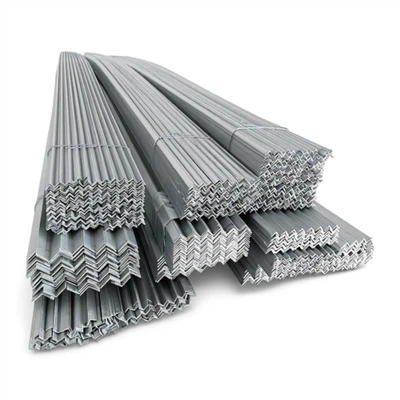
The modulus of elasticity, also known as Young's modulus, is a fundamental property of materials that describes their stiffness or ability to resist elastic deformation under an applied load. When it comes to a steel solid angle bar, understanding its modulus of elasticity is crucial for various engineering applications. As a supplier of Steel Solid Angle Bars, I have witnessed firsthand the importance of this property in ensuring the structural integrity and performance of our products.
Understanding the Modulus of Elasticity
The modulus of elasticity is defined as the ratio of stress to strain within the elastic range of a material. Stress is the force applied per unit area, while strain is the resulting deformation or change in length relative to the original length. In simpler terms, it measures how much a material will stretch or compress under a given load before it reaches its elastic limit and begins to deform permanently.
For steel, the modulus of elasticity is typically around 200 GPa (gigapascals). This value can vary slightly depending on the specific type of steel, its composition, and the manufacturing process. However, for most common steel alloys used in construction and engineering, the 200 GPa value serves as a reliable approximation.
Importance of Modulus of Elasticity in Steel Solid Angle Bars
In the context of steel solid angle bars, the modulus of elasticity plays a vital role in several aspects:
Structural Design
Engineers rely on the modulus of elasticity to calculate the deflection and stress distribution in structures made with steel solid angle bars. By knowing the stiffness of the material, they can design structures that can withstand the expected loads without excessive deformation. This is particularly important in applications such as building frames, bridges, and industrial machinery, where safety and stability are paramount.
Material Selection
When choosing a steel solid angle bar for a specific application, the modulus of elasticity is one of the key factors to consider. Different projects may require different levels of stiffness, depending on the loads and environmental conditions. For example, a structure in a high-wind area may need a steel angle bar with a higher modulus of elasticity to resist bending and swaying.
Quality Control
As a supplier, we use the modulus of elasticity as a quality control parameter to ensure the consistency and performance of our steel solid angle bars. By testing samples from each batch, we can verify that the material meets the specified standards and has the expected mechanical properties. This helps us maintain the trust of our customers and deliver products that meet their requirements.
Factors Affecting the Modulus of Elasticity in Steel Solid Angle Bars
While the modulus of elasticity of steel is generally considered a constant value, there are several factors that can affect its actual value in a steel solid angle bar:
Composition
The chemical composition of the steel can have a significant impact on its modulus of elasticity. Different alloying elements, such as carbon, manganese, and chromium, can alter the crystal structure of the steel and affect its stiffness. For example, high-carbon steels tend to have a higher modulus of elasticity than low-carbon steels.
Heat Treatment
The heat treatment process used to manufacture the steel solid angle bar can also influence its modulus of elasticity. Annealing, quenching, and tempering can change the microstructure of the steel, which in turn affects its mechanical properties. For example, a quenched and tempered steel angle bar may have a higher modulus of elasticity than an annealed one.
Manufacturing Process
The manufacturing process, including rolling, forging, and machining, can introduce residual stresses and defects in the steel solid angle bar. These factors can affect the modulus of elasticity by altering the internal structure of the material. Therefore, it is important to ensure that the manufacturing process is carefully controlled to minimize these effects.
Applications of Steel Solid Angle Bars
Steel solid angle bars are widely used in various industries due to their versatility and strength. Some common applications include:
Construction
In the construction industry, steel solid angle bars are used for framing, bracing, and support structures. They are often used in the construction of buildings, bridges, and industrial facilities. Steel Solid Angle Bar can provide the necessary strength and stiffness to withstand the loads and forces acting on the structure.
Manufacturing
In the manufacturing industry, steel solid angle bars are used for machine frames, conveyor systems, and tooling. They can be easily fabricated and welded to create custom components and structures. Welding Angle Bar is a popular choice for applications that require strong and reliable joints.
Automotive
In the automotive industry, steel solid angle bars are used for chassis components, suspension systems, and body frames. They can help improve the strength and durability of the vehicle, while also reducing weight. L Type Angle Bar is commonly used in automotive applications due to its unique shape and structural properties.
Conclusion
The modulus of elasticity is a critical property of steel solid angle bars that affects their performance and suitability for various applications. As a supplier, we understand the importance of this property and strive to provide our customers with high-quality products that meet their requirements. By carefully controlling the composition, heat treatment, and manufacturing process, we can ensure that our steel solid angle bars have the desired modulus of elasticity and other mechanical properties.


If you are in need of steel solid angle bars for your project, we invite you to contact us for more information. Our team of experts can help you select the right product for your specific application and provide you with competitive pricing and excellent customer service. We look forward to working with you and helping you achieve your goals.
References
- Callister, W. D., & Rethwisch, D. G. (2014). Materials Science and Engineering: An Introduction. Wiley.
- Budynas, R. G., & Nisbett, J. K. (2011). Shigley's Mechanical Engineering Design. McGraw-Hill.
- ASM Handbook Committee. (1990). ASM Handbook Volume 1: Properties and Selection: Irons, Steels, and High-Performance Alloys. ASM International.