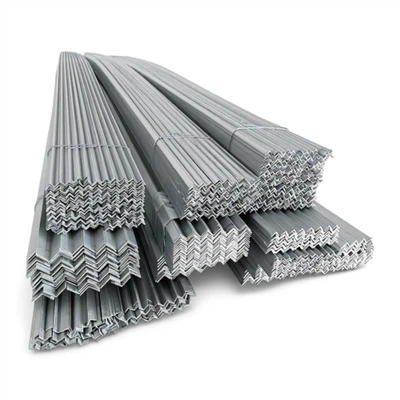
Hey there! As a supplier of standard angle bars, I've been in the industry long enough to see the ebb and flow of market demand. So, let's dig into what the market demand for standard angle bars is all about.
Construction Industry
One of the biggest consumers of standard angle bars is the construction industry. Builders use angle bars for a wide range of applications. For instance, they're often used in framing structures. Whether it's a small residential building or a large commercial complex, angle bars provide the necessary support and stability. They can be used to reinforce corners, creating a stronger and more durable framework.
In roofing, angle bars play a crucial role too. They're used to support the roofing structure, ensuring that it can withstand various weather conditions. And when it comes to interior partitions, angle bars can be used to create a sturdy framework for drywall or other partitioning materials.


The growth of the construction industry directly impacts the demand for standard angle bars. With the increasing population and urbanization, there's a constant need for new buildings. In developing countries, the construction boom is particularly evident as they strive to improve their infrastructure. Even in developed countries, there's a continuous need for renovation and maintenance of existing buildings, which also drives the demand for angle bars.
Manufacturing Sector
The manufacturing sector also has a significant demand for standard angle bars. Manufacturers use angle bars in the production of machinery and equipment. For example, in the automotive industry, angle bars can be used in the assembly of car frames and other structural components. They provide the necessary strength and rigidity to ensure the safety and performance of the vehicles.
In the manufacturing of industrial equipment, such as conveyor systems or storage racks, angle bars are essential. They can be used to build the framework of these systems, allowing for efficient and reliable operation. The precision and quality of the angle bars are crucial in these applications, as any defect could lead to malfunction or safety issues.
Infrastructure Projects
Infrastructure projects, like bridges and roads, are major consumers of standard angle bars. In bridge construction, angle bars are used in the fabrication of the bridge's superstructure and substructure. They help to distribute the load evenly, ensuring the bridge's stability and longevity. For roads, angle bars can be used in the construction of guardrails and other safety features. They provide a barrier to protect vehicles and pedestrians, reducing the risk of accidents.
As governments around the world invest in infrastructure development, the demand for angle bars is expected to remain high. These projects often require large quantities of angle bars, and the specifications can be quite strict. For example, angle bars used in bridge construction may need to meet certain strength and corrosion resistance standards.
Decorative Purposes
Standard angle bars aren't just for practical applications; they're also used for decorative purposes. In interior design, angle bars can be used to create unique and modern-looking furniture. For example, a coffee table or a bookshelf made with angle bars can add an industrial and contemporary touch to a room.
Architects and designers also use angle bars in building facades to create interesting visual effects. They can be arranged in different patterns to give a building a distinctive look. The demand for decorative angle bars is driven by the growing interest in modern and minimalist design styles.
Types of Angle Bars and Their Demand
There are different types of angle bars available in the market, each with its own unique properties and applications.
- Stainless Steel 304 Angle Bar: Stainless steel 304 angle bars are highly popular due to their corrosion resistance. They're commonly used in applications where the angle bars will be exposed to moisture or harsh environments. For example, in coastal areas or in chemical plants, stainless steel 304 angle bars are preferred as they can withstand the corrosive effects of saltwater or chemicals. The demand for these angle bars is increasing as more industries prioritize durability and longevity.
- L Type Angle Bar: L type angle bars are the most common type of angle bars. They have a simple L-shaped cross-section, which makes them versatile and easy to use. They can be used in a wide range of applications, from construction to manufacturing. Their popularity lies in their affordability and ease of installation.
- Welding Angle Bar: Welding angle bars are designed for easy welding. They're often used in applications where a strong and permanent joint is required. In construction and manufacturing, welding angle bars are preferred when a more secure connection is needed between different components.
Factors Affecting Market Demand
Several factors can affect the market demand for standard angle bars. One of the main factors is the price of raw materials. The cost of steel, which is the primary material for angle bars, can fluctuate significantly due to factors such as supply and demand, global economic conditions, and trade policies. When the price of steel increases, the cost of producing angle bars also goes up, which may lead to a decrease in demand as customers look for more cost-effective alternatives.
Another factor is the availability of substitutes. In some applications, other materials, such as aluminum or plastic, can be used instead of angle bars. These materials may offer certain advantages, such as lighter weight or better corrosion resistance in some cases. However, steel angle bars still have a competitive edge in terms of strength and cost in many applications.
Technological advancements also play a role in the market demand. New manufacturing processes may allow for the production of angle bars with better quality and lower cost. For example, advancements in welding technology can improve the quality of the joints in welding angle bars, making them more reliable. On the other hand, new materials or design concepts may emerge that could potentially reduce the demand for traditional angle bars.
Our Role as a Supplier
As a supplier of standard angle bars, we understand the importance of meeting the market demand. We strive to provide high-quality angle bars at competitive prices. Our team of experts carefully selects the raw materials to ensure the best quality. We also have strict quality control measures in place during the manufacturing process to guarantee that our angle bars meet the required standards.
We offer a wide range of angle bars, including the popular Stainless Steel 304 Angle Bar, L Type Angle Bar, and Welding Angle Bar. Whether you're a construction company, a manufacturer, or involved in an infrastructure project, we can provide the right angle bars for your needs.
We also understand the importance of timely delivery. We have a well-organized supply chain that allows us to deliver the angle bars to our customers on time. Our customer service team is always ready to assist you with any questions or concerns you may have.
Contact Us for Procurement
If you're in the market for standard angle bars, we'd love to hear from you. We're confident that we can provide you with the high-quality angle bars you need at a price that fits your budget. Whether you need a small quantity for a DIY project or a large order for a major construction project, we're here to serve you. So, don't hesitate to reach out and start a procurement discussion with us.
References
- Construction Industry Research Reports
- Manufacturing Sector Market Analysis
- Infrastructure Project Databases