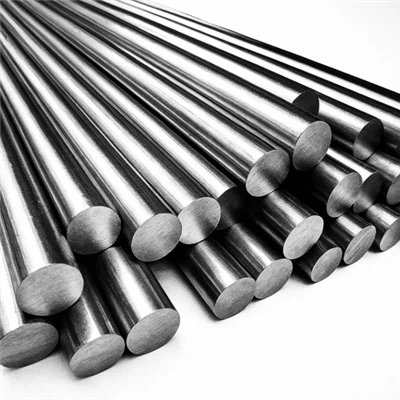
Hey there! As a supplier of 316 round bars, I get a lot of questions about their properties, especially when it comes to hydrogen embrittlement resistance. So, let's dive right into it and explore what makes 316 round bars stand out in this regard.


First off, what exactly is hydrogen embrittlement? Well, it's a phenomenon where hydrogen atoms penetrate a metal, causing it to become brittle and more prone to cracking. This can be a real headache in industries like oil and gas, aerospace, and chemical processing, where components are often exposed to hydrogen-rich environments.
Now, let's talk about 316 round bars. 316 stainless steel is an austenitic stainless steel alloy that contains chromium, nickel, and molybdenum. These elements give it excellent corrosion resistance, making it a popular choice for a wide range of applications. But what about its hydrogen embrittlement resistance?
The good news is that 316 round bars have relatively good resistance to hydrogen embrittlement compared to some other materials. The austenitic structure of 316 stainless steel is inherently more resistant to hydrogen absorption than ferritic or martensitic steels. This means that it's less likely to experience hydrogen-induced cracking under normal operating conditions.
However, it's important to note that the hydrogen embrittlement resistance of 316 round bars can be affected by several factors. For example, the presence of impurities or defects in the material can increase its susceptibility to hydrogen embrittlement. Additionally, the processing and heat treatment of the bar can also have an impact on its resistance.
One way to improve the hydrogen embrittlement resistance of 316 round bars is to use a low-carbon version of the alloy, such as 316L. 316L Stainless Steel Round Bar has a lower carbon content, which reduces the formation of carbide precipitates that can act as sites for hydrogen trapping. This can help to improve the overall resistance of the material to hydrogen embrittlement.
Another factor to consider is the surface finish of the 316 round bar. A smooth, clean surface can help to reduce the absorption of hydrogen and prevent the formation of cracks. This is why it's important to ensure that the bars are properly cleaned and polished before use.
In addition to 316 round bars, we also offer other types of round bars that may be suitable for applications where hydrogen embrittlement is a concern. For example, 302 Stainless Round Bar is another austenitic stainless steel alloy that has good corrosion resistance and can be used in a variety of applications. And if you're looking for a high-performance alloy, Alloy 925 Round Bar is a great option. It's a nickel-copper alloy that offers excellent resistance to corrosion and hydrogen embrittlement.
So, if you're in the market for round bars with good hydrogen embrittlement resistance, we've got you covered. Whether you need 316 round bars, 302 stainless round bars, or Alloy 925 round bars, we can provide you with high-quality products that meet your specific requirements.
If you have any questions or would like to discuss your needs further, don't hesitate to get in touch. We're here to help you find the right solution for your application. Just reach out, and we'll be happy to assist you with your procurement and answer any questions you might have.
References:
- ASM Handbook, Volume 13A: Corrosion: Fundamentals, Testing, and Protection
- Stainless Steel World Magazine
- Journal of Materials Science and Technology