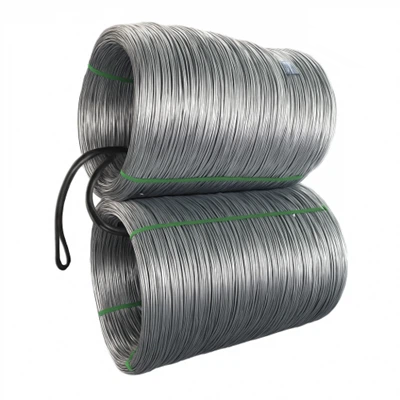
As a trusted supplier of 302 stainless round bars, I am often asked about the heat treatment process for this particular material. Heat treatment is a crucial step in enhancing the properties of 302 stainless steel, making it suitable for a wide range of applications. In this blog post, I will delve into the details of the heat treatment process for 302 stainless round bars, exploring its purpose, methods, and benefits.
Understanding 302 Stainless Steel
Before we discuss the heat treatment process, let's first understand the characteristics of 302 stainless steel. 302 stainless steel is an austenitic stainless steel that contains approximately 18% chromium and 8% nickel. It is known for its excellent corrosion resistance, high strength, and good formability. These properties make 302 stainless steel a popular choice for various industries, including automotive, construction, and food processing.
Purpose of Heat Treatment
The primary purpose of heat treating 302 stainless round bars is to improve their mechanical properties, such as hardness, strength, and ductility. Heat treatment can also enhance the corrosion resistance of the material by altering its microstructure. Additionally, heat treatment can relieve internal stresses that may have been introduced during the manufacturing process, resulting in a more stable and reliable product.


Heat Treatment Methods
There are several heat treatment methods that can be used for 302 stainless round bars, each with its own advantages and applications. The most common heat treatment methods for 302 stainless steel include annealing, quenching, and tempering.
Annealing
Annealing is a heat treatment process that involves heating the material to a specific temperature and then cooling it slowly. The purpose of annealing is to soften the material, improve its ductility, and relieve internal stresses. There are different types of annealing processes, including full annealing, stress relief annealing, and solution annealing.
- Full Annealing: Full annealing is a process that involves heating the material to a temperature above its critical range and then cooling it slowly in a furnace. This process results in a fully recrystallized microstructure, which gives the material maximum softness and ductility.
- Stress Relief Annealing: Stress relief annealing is a process that involves heating the material to a temperature below its critical range and then holding it at that temperature for a specific period of time. This process helps to relieve internal stresses that may have been introduced during the manufacturing process, such as cold working or welding.
- Solution Annealing: Solution annealing is a process that involves heating the material to a temperature above its critical range and then quenching it in water or oil. This process dissolves any carbides that may have formed in the material, resulting in a single-phase microstructure. Solution annealing is often used to improve the corrosion resistance of 302 stainless steel.
Quenching
Quenching is a heat treatment process that involves heating the material to a specific temperature and then cooling it rapidly. The purpose of quenching is to harden the material by forming a martensitic microstructure. Quenching is typically followed by tempering to reduce the brittleness of the material.
- Water Quenching: Water quenching is a common method of quenching 302 stainless steel. It involves immersing the heated material in water, which provides a rapid cooling rate. Water quenching can result in a hard and brittle material, so it is often followed by tempering to improve its ductility.
- Oil Quenching: Oil quenching is another method of quenching 302 stainless steel. It involves immersing the heated material in oil, which provides a slower cooling rate than water quenching. Oil quenching can result in a less brittle material than water quenching, but it may not provide as high a hardness.
Tempering
Tempering is a heat treatment process that involves heating the quenched material to a temperature below its critical range and then holding it at that temperature for a specific period of time. The purpose of tempering is to reduce the brittleness of the material and improve its ductility and toughness. Tempering can also help to relieve internal stresses that may have been introduced during the quenching process.
Benefits of Heat Treatment
The heat treatment of 302 stainless round bars offers several benefits, including:
- Improved Mechanical Properties: Heat treatment can significantly improve the hardness, strength, and ductility of 302 stainless steel, making it suitable for a wide range of applications.
- Enhanced Corrosion Resistance: Heat treatment can alter the microstructure of 302 stainless steel, improving its corrosion resistance in various environments.
- Stress Relief: Heat treatment can relieve internal stresses that may have been introduced during the manufacturing process, resulting in a more stable and reliable product.
- Improved Machinability: Heat treatment can improve the machinability of 302 stainless steel by reducing its hardness and increasing its ductility.
Applications of Heat-Treated 302 Stainless Round Bars
Heat-treated 302 stainless round bars are used in a variety of applications, including:
- Automotive Industry: Heat-treated 302 stainless round bars are used in the automotive industry for various components, such as shafts, bolts, and nuts.
- Construction Industry: Heat-treated 302 stainless round bars are used in the construction industry for structural components, such as beams, columns, and braces.
- Food Processing Industry: Heat-treated 302 stainless round bars are used in the food processing industry for equipment and machinery, such as conveyors, mixers, and tanks.
- Medical Industry: Heat-treated 302 stainless round bars are used in the medical industry for surgical instruments, implants, and other medical devices.
Conclusion
In conclusion, the heat treatment process is a crucial step in enhancing the properties of 302 stainless round bars. By understanding the purpose, methods, and benefits of heat treatment, you can ensure that you are using the right heat treatment process for your specific application. As a supplier of 302 stainless round bars, I am committed to providing high-quality products that meet the needs of our customers. If you have any questions about the heat treatment process for 302 stainless round bars or would like to discuss your specific requirements, please feel free to contact us. We would be happy to assist you with your procurement needs.
Additional Resources
If you are interested in learning more about stainless steel round bars, you may find the following resources helpful:
References
- ASM Handbook, Volume 4: Heat Treating, ASM International
- Metals Handbook, Volume 1: Properties and Selection: Irons, Steels, and High-Performance Alloys, ASM International
- Stainless Steel: A Technical Guide, ASM International