Hey there! As a supplier of Standard Angle Bars, I often get asked about the corrosion resistance of these handy pieces of metal. So, let's dive right in and explore what makes standard angle bars resistant to corrosion.
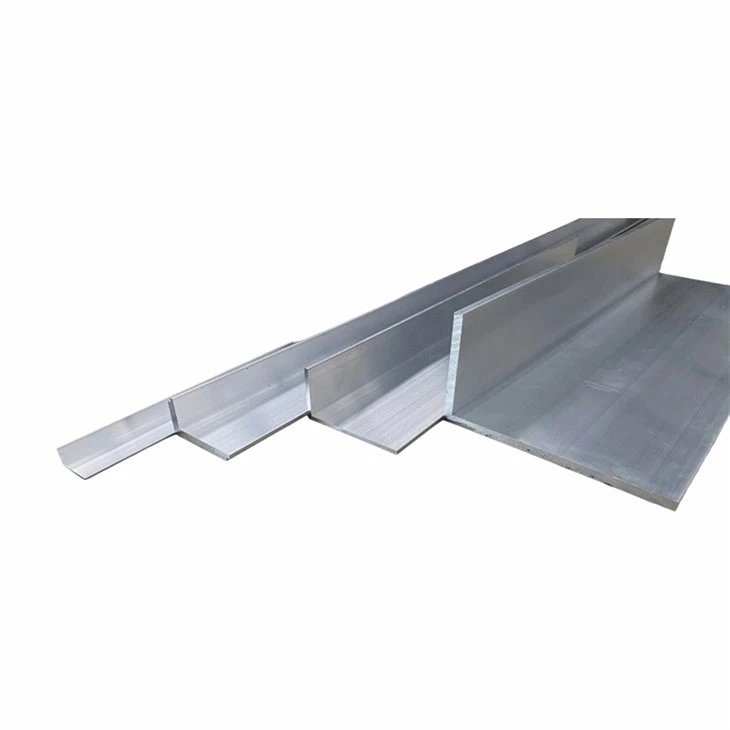
First off, what exactly is a standard angle bar? Well, it's a type of structural steel with an L-shaped cross - section. You can find them in all sorts of construction projects, from building frames to support structures. And they come in different sizes and thicknesses to suit various needs. You can check out more about them here: Standard Angle Bar.
Now, corrosion is a big deal. It's basically the process of a metal breaking down due to chemical reactions with its environment. For standard angle bars, this can be a real problem, especially if they're used in outdoor or harsh environments. But don't worry, there are ways to make them more corrosion - resistant.
One of the main factors that affects the corrosion resistance of a standard angle bar is the material it's made from. Most standard angle bars are made of steel, which is an alloy of iron and carbon. However, the addition of other elements can significantly improve its corrosion resistance. For example, stainless steel angle bars are very popular because they contain chromium. Chromium forms a thin, invisible layer of chromium oxide on the surface of the steel, which acts as a protective barrier against corrosion. This layer is self - healing, meaning that if it gets damaged, it can reform as long as there's enough oxygen present. You can learn more about different types of angle bars like L Type Angle Bar, which can also be made from corrosion - resistant materials.
Another way to enhance the corrosion resistance of a standard angle bar is through surface treatment. Galvanizing is a common method. In this process, the angle bar is coated with a layer of zinc. Zinc is more reactive than iron, so when the angle bar is exposed to an environment that causes corrosion, the zinc corrodes first, protecting the underlying steel. It's like having a sacrificial layer that takes the hit for the steel. There are also other surface treatments like painting or powder coating. These coatings create a physical barrier between the metal and the environment, preventing moisture and oxygen from reaching the steel and causing corrosion. If you're interested in the process of joining angle bars, Welding Angle Bar gives you an idea of how they can be used in construction and how the welding process might affect corrosion resistance.
The environment where the standard angle bar is used also plays a huge role in its corrosion resistance. In a dry, indoor environment, the risk of corrosion is relatively low. But in outdoor environments, especially near the ocean where there's a lot of salt in the air, or in industrial areas with high levels of pollutants, the angle bar is more likely to corrode. Saltwater is particularly corrosive because the salt ions can break down the protective layers on the metal surface more easily. In these harsh environments, using a highly corrosion - resistant material like stainless steel or properly treated angle bars is crucial.
Let's talk about how to assess the corrosion resistance of a standard angle bar. One common way is through salt spray testing. In this test, the angle bar sample is placed in a chamber where it's exposed to a fine mist of saltwater for a certain period of time. After the test, the sample is examined for signs of corrosion, such as rust spots or pitting. The longer it takes for corrosion to appear, the better the corrosion resistance of the angle bar. Another method is electrochemical testing, which measures the electrical properties of the metal to determine its corrosion rate.
As a supplier, I know that choosing the right standard angle bar with the appropriate corrosion resistance is essential for your project. If you're working on a short - term project in a low - risk environment, a regular steel angle bar with a simple surface treatment might be sufficient. But for long - term projects or in harsh environments, investing in a high - quality, corrosion - resistant angle bar like stainless steel is definitely worth it. It will save you money in the long run by reducing the need for frequent replacements and maintenance.

So, if you're in the market for standard angle bars and have questions about their corrosion resistance or which type is best for your project, don't hesitate to reach out. I'm here to help you make the right choice. Whether you need a small quantity for a DIY project or a large order for a commercial construction job, I can provide you with the best standard angle bars that meet your corrosion - resistance requirements.
In conclusion, the corrosion resistance of a standard angle bar depends on multiple factors, including the material, surface treatment, and the environment it's used in. By understanding these factors, you can make an informed decision when purchasing angle bars for your project.
References
- "Corrosion of Metals" by Uhlig, H. H.
- "Introduction to Stainless Steels" by ASM International