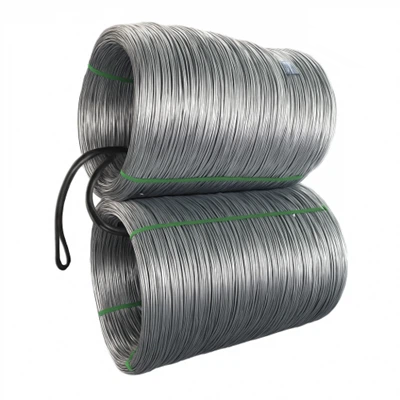
When it comes to stainless steel round bars, the 316 round bar stands out as a popular choice in various industries due to its excellent corrosion resistance, durability, and strength. One of the key factors contributing to these properties is its chromium content. As a trusted 316 Round Bar hyperlink supplier, I am here to shed light on the chromium content in a 316 round bar and its significance.
Understanding the Basics of 316 Round Bar
Before delving into the chromium content, let's first understand what a 316 round bar is. 316 stainless steel is an austenitic stainless steel alloy that contains a balanced composition of elements, including chromium, nickel, molybdenum, and carbon. The round bar is a solid, cylindrical shape made from this alloy, commonly used in applications where corrosion resistance and high strength are required.
Chromium Content in 316 Round Bar
The chromium content in a 316 round bar typically ranges from 16% to 18%. Chromium is a crucial element in stainless steel as it forms a thin, passive oxide layer on the surface of the metal. This oxide layer acts as a protective barrier, preventing the underlying metal from reacting with oxygen and other corrosive agents in the environment. As a result, the 316 round bar exhibits excellent corrosion resistance, especially in harsh environments such as marine and chemical processing industries.
The presence of chromium also contributes to the strength and hardness of the 316 round bar. Chromium atoms form a solid solution with iron, which strengthens the crystal structure of the metal. This makes the 316 round bar more resistant to deformation and wear, making it suitable for applications where high strength and durability are required.
Significance of Chromium Content
The chromium content in a 316 round bar plays a vital role in determining its performance and suitability for different applications. Here are some key points highlighting the significance of chromium:
Corrosion Resistance
As mentioned earlier, the passive oxide layer formed by chromium provides excellent corrosion resistance. The higher the chromium content, the more stable and protective the oxide layer becomes. This makes the 316 round bar highly resistant to corrosion in a wide range of environments, including acidic, alkaline, and chloride-containing solutions. In marine applications, for example, the 316 round bar can withstand the corrosive effects of saltwater, making it a popular choice for boat fittings, offshore structures, and desalination plants.
Oxidation Resistance
Chromium also enhances the oxidation resistance of the 316 round bar. At high temperatures, the passive oxide layer formed by chromium prevents the metal from reacting with oxygen in the air, reducing the risk of oxidation and scaling. This makes the 316 round bar suitable for applications where high-temperature resistance is required, such as furnace components, heat exchangers, and exhaust systems.
Strength and Hardness
The addition of chromium to the 316 round bar increases its strength and hardness. Chromium atoms strengthen the crystal structure of the metal, making it more resistant to deformation and wear. This makes the 316 round bar suitable for applications where high strength and durability are required, such as construction, machinery, and automotive industries.
Weldability
The chromium content in a 316 round bar also affects its weldability. Chromium forms a stable oxide layer on the surface of the metal, which can prevent the formation of weld defects such as porosity and cracking. However, excessive chromium content can also lead to the formation of brittle intermetallic compounds during welding, which can reduce the strength and ductility of the weld joint. Therefore, it is important to control the chromium content and welding parameters to ensure good weldability.
Comparison with Other Stainless Steel Round Bars
To better understand the significance of the chromium content in a 316 round bar, let's compare it with other popular stainless steel round bars, such as the 302 Stainless Round Bar and the 316L Stainless Steel Round Bar.
302 Stainless Round Bar
The 302 stainless round bar contains a chromium content of 17% to 19%, which is slightly higher than that of the 316 round bar. However, the 302 stainless round bar does not contain molybdenum, which is an important element in the 316 round bar. Molybdenum enhances the corrosion resistance of the 316 round bar, especially in chloride-containing environments. Therefore, the 316 round bar is more suitable for applications where high corrosion resistance is required, such as marine and chemical processing industries.
316L Stainless Steel Round Bar
The 316L stainless steel round bar is a low-carbon version of the 316 round bar. It contains a similar chromium content of 16% to 18%, but with a lower carbon content of less than 0.03%. The low carbon content reduces the risk of carbide precipitation during welding, which can cause intergranular corrosion. Therefore, the 316L stainless steel round bar is more suitable for applications where weldability and corrosion resistance are critical, such as food processing, pharmaceutical, and medical industries.
Applications of 316 Round Bar
The excellent corrosion resistance, strength, and durability of the 316 round bar make it suitable for a wide range of applications in various industries. Here are some common applications of the 316 round bar:
Marine Industry
The 316 round bar is widely used in the marine industry due to its excellent corrosion resistance in saltwater environments. It is used in boat fittings, offshore structures, desalination plants, and marine equipment such as propellers, shafts, and valves.


Chemical Processing Industry
The 316 round bar is also commonly used in the chemical processing industry due to its resistance to a wide range of corrosive chemicals. It is used in chemical storage tanks, pipelines, reactors, and other equipment that comes into contact with corrosive substances.
Food Processing Industry
The 316 round bar is suitable for use in the food processing industry due to its hygienic properties and corrosion resistance. It is used in food processing equipment such as conveyor belts, mixing tanks, and food handling tools.
Pharmaceutical and Medical Industry
The 316 round bar is used in the pharmaceutical and medical industries due to its biocompatibility and corrosion resistance. It is used in medical devices such as surgical instruments, implants, and laboratory equipment.
Construction Industry
The 316 round bar is used in the construction industry for structural applications where high strength and corrosion resistance are required. It is used in building facades, handrails, and structural supports.
Conclusion
In conclusion, the chromium content in a 316 round bar is a crucial factor that determines its performance and suitability for different applications. The typical chromium content of 16% to 18% provides excellent corrosion resistance, oxidation resistance, strength, and hardness. As a 316 Round Bar supplier, we understand the importance of providing high-quality products that meet the specific requirements of our customers. If you are looking for a reliable supplier of 316 round bars, please feel free to contact us for more information and to discuss your specific needs. We are committed to providing you with the best products and services to ensure your satisfaction.
References
- ASM Handbook, Volume 13A: Corrosion: Fundamentals, Testing, and Protection
- Stainless Steel World Handbook
- ASTM A276/A276M - Standard Specification for Stainless Steel Bars and Shapes