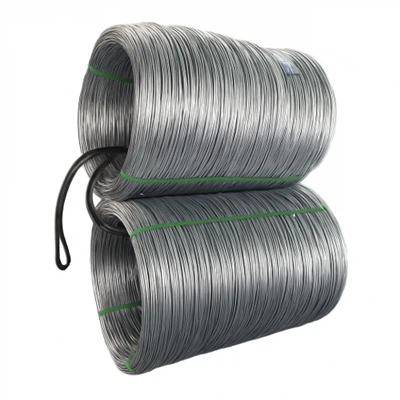
As a supplier of 316 Round Bars, I've received numerous inquiries about the cavitation erosion resistance of these bars. Cavitation erosion is a complex phenomenon that significantly impacts the performance and longevity of materials in various applications, especially those involving fluid flow. In this blog, I'll delve into the intricacies of cavitation erosion and explore how 316 Round Bars fare in resisting this wear mechanism.
Understanding Cavitation Erosion
Cavitation erosion occurs when small vapor bubbles form and collapse within a liquid due to rapid changes in pressure. When these bubbles implode near a solid surface, they generate high - velocity micro - jets and shock waves. These forces can cause localized damage to the surface material, leading to pitting, material loss, and ultimately, failure of the component. This phenomenon is commonly observed in hydraulic machinery, ship propellers, pumps, and valves, where the fluid flow conditions are conducive to bubble formation and collapse.
Composition and Properties of 316 Round Bars
The 316 Round Bar is a type of stainless steel bar. Its chemical composition plays a crucial role in determining its cavitation erosion resistance. It typically contains about 16 - 18% chromium, 10 - 14% nickel, 2 - 3% molybdenum, and small amounts of carbon, silicon, and manganese. Chromium forms a passive oxide layer on the surface of the steel, which provides excellent corrosion resistance. Nickel enhances the ductility and toughness of the material, while molybdenum further improves its resistance to pitting and crevice corrosion in chloride - containing environments.
The mechanical properties of 316 Round Bars, such as hardness, strength, and toughness, also contribute to their cavitation erosion resistance. A higher hardness can provide better resistance against the impact of the micro - jets generated during bubble collapse. However, excessive hardness can make the material brittle, increasing the risk of crack propagation. Therefore, a balance between hardness and toughness is essential for optimal cavitation erosion resistance.
Cavitation Erosion Resistance of 316 Round Bars
Compared to some other materials, 316 Round Bars exhibit relatively good cavitation erosion resistance. The passive oxide layer formed by chromium helps to protect the surface from direct contact with the aggressive fluid, reducing the initial stages of erosion. The presence of molybdenum further enhances this protection, especially in environments where chlorides are present.
In laboratory tests, 316 Round Bars have shown a certain level of resistance to cavitation erosion. However, the performance can vary depending on several factors, such as the fluid properties (e.g., temperature, pressure, and chemical composition), flow velocity, and the duration of exposure. For example, in high - velocity flows or in fluids with high levels of suspended particles, the cavitation erosion rate of 316 Round Bars may increase.
Comparison with Other Materials
When compared to Inconel 625 Bar Stock, which is known for its excellent corrosion and erosion resistance, 316 Round Bars may have a lower resistance to cavitation erosion in extremely harsh environments. Inconel 625 contains a higher percentage of nickel and other alloying elements, which provide enhanced protection against a wide range of corrosive and erosive conditions. However, 316 Round Bars are more cost - effective and are suitable for many general - purpose applications where the cavitation erosion conditions are not extremely severe.
Another material often compared to 316 Round Bars is the 316L Stainless Steel Round Bar. The "L" in 316L stands for low carbon, which reduces the risk of carbide precipitation during welding or high - temperature exposure. In terms of cavitation erosion resistance, 316L and 316 have similar performance characteristics. However, 316L may be preferred in applications where weldability and corrosion resistance in welded joints are critical.
Applications of 316 Round Bars in Cavitation - Prone Environments
Despite the challenges posed by cavitation erosion, 316 Round Bars are widely used in various applications where they are exposed to cavitation. In the marine industry, they are used in components such as propeller shafts and pump impellers. The good combination of corrosion and cavitation erosion resistance makes them suitable for these applications, where they are in contact with seawater, a highly corrosive medium.


In the chemical processing industry, 316 Round Bars are used in pumps, valves, and piping systems. These components are often subjected to high - pressure fluid flows, which can lead to cavitation. The resistance of 316 Round Bars to both corrosion and cavitation erosion helps to ensure the long - term reliability of these systems.
Improving the Cavitation Erosion Resistance of 316 Round Bars
There are several ways to improve the cavitation erosion resistance of 316 Round Bars. One approach is to modify the surface of the bar through processes such as shot peening or nitriding. Shot peening introduces compressive stresses on the surface, which can help to resist crack initiation and propagation. Nitriding forms a hard nitride layer on the surface, increasing the hardness and wear resistance of the material.
Another method is to optimize the design of the components made from 316 Round Bars. By reducing the flow velocity and avoiding sudden changes in the flow path, the likelihood of cavitation bubble formation can be minimized. Additionally, proper maintenance and inspection of the components can help to detect early signs of cavitation erosion and take corrective actions before significant damage occurs.
Conclusion
In conclusion, the cavitation erosion resistance of 316 Round Bars is a complex function of their chemical composition, mechanical properties, and the operating environment. While they offer a good balance of corrosion and cavitation erosion resistance, their performance can be further enhanced through surface modification and proper design. For applications where the cavitation erosion conditions are not extremely severe, 316 Round Bars are a cost - effective and reliable choice.
If you are interested in purchasing 316 Round Bars for your specific application, I encourage you to contact us for more information and to discuss your requirements. We can provide you with high - quality 316 Round Bars and offer technical support to ensure that you get the most suitable product for your needs.
References
- ASM Handbook Volume 13C: Corrosion: Materials. ASM International.
- Stainless Steel - A Practical Guide. George E. Totten, D. Scott MacKenzie.
- "Cavitation Erosion of Metals" by P. R. Rao and S. K. Chatterjee.