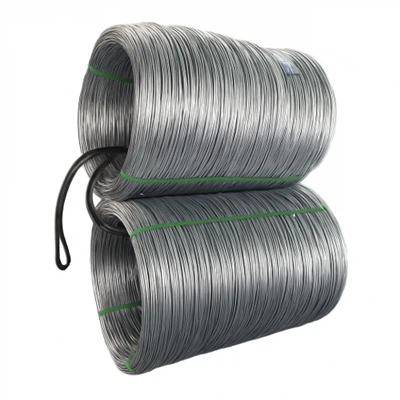
Hey there! As a supplier of stainless steel angle bars, I've seen firsthand how important it is to cut these bars without causing deformation. Deformation can mess up the whole project, leading to fitting issues and a less-than-perfect final result. So, in this blog, I'm gonna share some tips on how to cut stainless steel angle bars without any deformation.
Understanding Stainless Steel Angle Bars
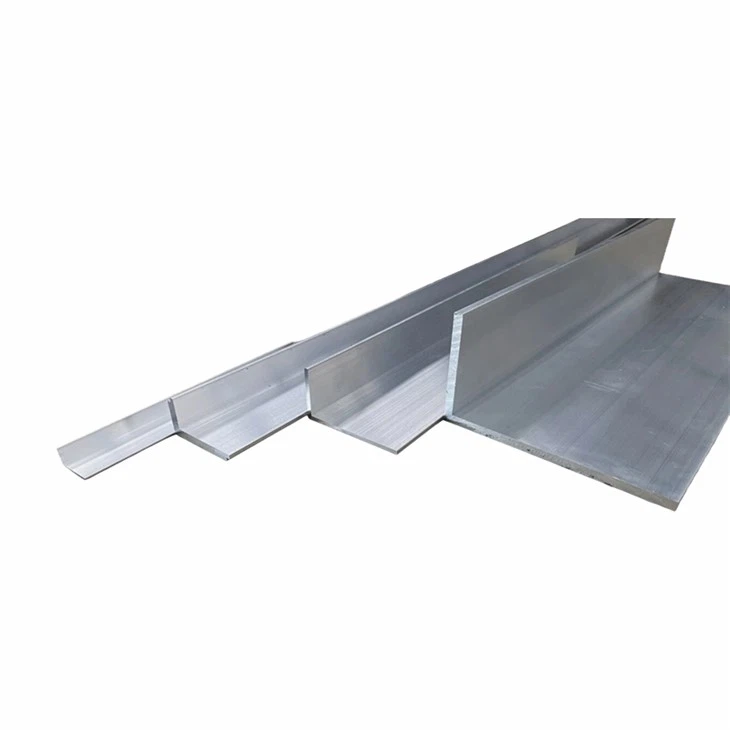
Before we dive into the cutting process, let's quickly talk about stainless steel angle bars. These bars come in different types, like Standard Angle Bar, Welding Angle Bar, and L Type Angle Bar. Each type has its own unique properties and uses, but they all have one thing in common: they're made of stainless steel, which is known for its durability and resistance to corrosion.
Choosing the Right Cutting Method
The first step in cutting stainless steel angle bars without deformation is choosing the right cutting method. There are several methods available, each with its own pros and cons. Here are some of the most common ones:
Sawing
Sawing is one of the most traditional ways to cut stainless steel angle bars. You can use a hacksaw, a band saw, or a circular saw. Hacksaws are great for small projects or when you need to make precise cuts. Band saws are more efficient and can handle larger bars. Circular saws are also a popular choice, especially for straight cuts.
When sawing, make sure to use a blade designed for cutting stainless steel. These blades have teeth that are specifically designed to cut through the tough material without causing too much heat buildup, which can lead to deformation. Also, use a slow cutting speed and apply steady pressure to avoid overheating the blade.
Plasma Cutting
Plasma cutting is a fast and efficient way to cut stainless steel angle bars. It uses a high-velocity jet of ionized gas to melt and blow away the metal. Plasma cutting can cut through thick bars quickly and can make complex shapes.
However, plasma cutting can generate a lot of heat, which can cause deformation if not done properly. To minimize deformation, use a low amperage setting and a slow cutting speed. Also, make sure to use a good quality plasma cutter and a proper cutting tip to ensure a clean and precise cut.
Laser Cutting
Laser cutting is a highly precise cutting method that uses a high-powered laser beam to melt and vaporize the metal. Laser cutting can make very accurate cuts and can handle thin and thick bars alike.
The advantage of laser cutting is that it generates very little heat, which reduces the risk of deformation. However, laser cutting machines are expensive and may not be suitable for small-scale projects.
Preparing the Angle Bar
Before you start cutting, it's important to prepare the angle bar properly. Here's what you need to do:
Marking the Cut
Use a measuring tape and a marker to mark the exact location where you want to make the cut. Make sure your marks are clear and accurate. You can also use a square or a straightedge to ensure that your cuts are straight.
Securing the Angle Bar
Once you've marked the cut, secure the angle bar firmly in place. You can use a vise or clamps to hold the bar steady. This will prevent the bar from moving during the cutting process, which can lead to uneven cuts and deformation.

Cutting Techniques
Now that you've chosen the right cutting method and prepared the angle bar, it's time to start cutting. Here are some techniques to help you cut without causing deformation:
Avoiding Heat Buildup
As mentioned earlier, heat is one of the main causes of deformation when cutting stainless steel angle bars. To avoid heat buildup, use a cutting fluid or coolant. Cutting fluids help to lubricate the blade or the cutting tool and dissipate heat. You can use a water-based coolant or a specialized cutting fluid designed for stainless steel.
Also, take breaks during the cutting process to allow the bar to cool down. If you're using a saw, let the blade cool down between cuts. If you're using plasma cutting or laser cutting, make sure to follow the manufacturer's instructions regarding the cutting speed and amperage to avoid overheating the metal.
Making Smooth Cuts
Whether you're sawing, plasma cutting, or laser cutting, it's important to make smooth and steady cuts. Avoid applying too much pressure or making jerky movements, as this can cause the bar to deform.
If you're sawing, use a slow and steady motion. Let the blade do the work and don't force it through the metal. If you're using plasma cutting or laser cutting, follow the cutting path carefully and keep a consistent speed.
Supporting the Bar
During the cutting process, it's important to support the angle bar properly. If the bar is not supported, it can vibrate or flex, which can lead to deformation. You can use a support table or a stand to hold the bar in place. Make sure the support is level and stable.
Post-Cutting Inspection
After you've made the cut, it's important to inspect the angle bar for any signs of deformation. Look for any warping, bending, or unevenness in the cut area. If you notice any deformation, you may need to use a hammer or a press to straighten the bar.
Also, check the edges of the cut for any burrs or rough spots. You can use a file or a grinder to smooth out the edges.
Conclusion
Cutting stainless steel angle bars without deformation requires careful planning, the right cutting method, and proper techniques. By choosing the right cutting method, preparing the angle bar properly, and following the techniques outlined in this blog, you can make clean and precise cuts without causing any deformation.
If you're in the market for high-quality stainless steel angle bars, look no further. As a supplier, we offer a wide range of stainless steel angle bars, including Standard Angle Bar, Welding Angle Bar, and L Type Angle Bar. Our bars are made from the highest quality stainless steel and are available in various sizes and thicknesses.
If you have any questions or would like to discuss your specific requirements, feel free to reach out. We're here to help you with all your stainless steel angle bar needs.
References
- "Stainless Steel: Properties, Processing, and Applications" by ASM International
- "Cutting Techniques for Metals" by Industrial Press Inc.
- "Plasma Cutting Basics" by Hypertherm Inc.