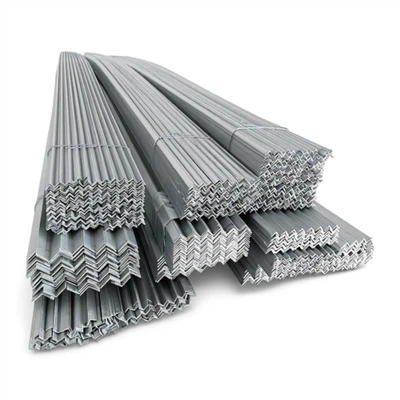
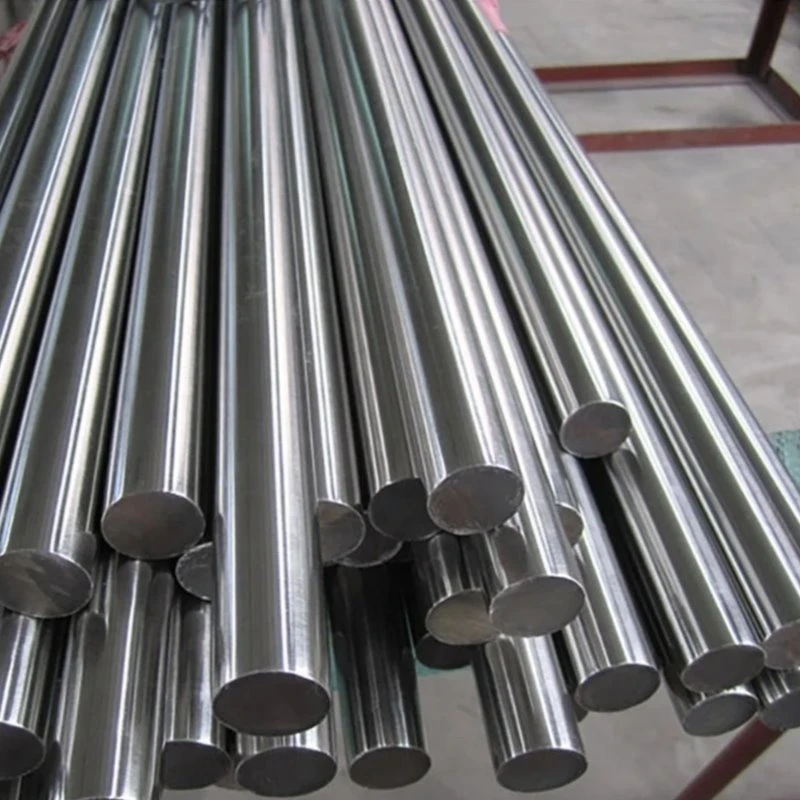
As a supplier of Bright Steel Rod, I understand the critical importance of environmental requirements in the production process. Bright steel rods are widely used in various industries such as automotive, construction, and machinery due to their excellent surface finish, dimensional accuracy, and mechanical properties. However, the production of these rods can have significant environmental impacts if not managed properly. In this blog post, I will discuss the key environmental requirements for bright steel rod production and how we, as a responsible supplier, ensure compliance with these standards.
Energy Efficiency
One of the primary environmental concerns in bright steel rod production is energy consumption. The manufacturing process involves several energy-intensive steps, including melting, rolling, and heat treatment. To minimize the environmental impact, it is essential to optimize energy use and improve energy efficiency.
At our production facilities, we have implemented several measures to reduce energy consumption. For example, we use advanced electric arc furnaces (EAFs) that are more energy-efficient than traditional blast furnaces. EAFs can recycle scrap steel, which requires less energy to melt compared to virgin iron ore. Additionally, we have installed energy recovery systems that capture and reuse waste heat generated during the production process. This not only reduces energy consumption but also lowers greenhouse gas emissions.
Another way we improve energy efficiency is by optimizing our production processes. We use computerized control systems to monitor and adjust the operating parameters of our equipment in real-time. This ensures that the equipment operates at its optimal efficiency, reducing energy waste. We also conduct regular maintenance and upgrades to our equipment to keep it in top condition and improve its energy performance.
Water Management
Water is another crucial resource in bright steel rod production. The manufacturing process requires large amounts of water for cooling, cleaning, and other purposes. However, improper water management can lead to water pollution and shortages.
To address these issues, we have implemented a comprehensive water management program. We have installed water treatment plants that remove impurities and contaminants from the water before it is discharged into the environment. This helps to protect local water sources and prevent pollution.
We also recycle and reuse water wherever possible. For example, we collect and treat the water used for cooling and reuse it in other parts of the production process. This reduces our water consumption and minimizes the impact on local water supplies.
In addition to water treatment and recycling, we also take steps to reduce our water usage. We use advanced cooling technologies that require less water, such as dry cooling systems. We also conduct regular audits of our water usage to identify areas where we can further reduce consumption.
Air Quality
The production of bright steel rods can also have a significant impact on air quality. The manufacturing process generates various pollutants, including particulate matter, sulfur dioxide, nitrogen oxides, and volatile organic compounds (VOCs). These pollutants can have harmful effects on human health and the environment.
To control air pollution, we have installed state-of-the-art air pollution control systems at our production facilities. These systems include baghouses, electrostatic precipitators, and scrubbers that capture and remove pollutants from the exhaust gases before they are released into the atmosphere.
We also monitor air quality regularly to ensure compliance with environmental regulations. We use advanced air quality monitoring equipment to measure the concentration of pollutants in the air and take appropriate action if the levels exceed the allowable limits.
In addition to air pollution control, we also take steps to reduce our emissions of greenhouse gases. We have implemented energy efficiency measures and use renewable energy sources such as solar and wind power to reduce our reliance on fossil fuels. This helps to mitigate the impact of our production activities on climate change.
Waste Management
Bright steel rod production generates a significant amount of waste, including scrap metal, slag, and other by-products. Improper waste management can lead to environmental pollution and resource depletion.
To address these issues, we have implemented a comprehensive waste management program. We recycle and reuse as much waste as possible. For example, we collect and recycle scrap metal, which can be used as raw material in the production process. This not only reduces waste but also conserves natural resources.

We also treat and dispose of hazardous waste in accordance with environmental regulations. We have established partnerships with licensed waste management companies to ensure that our hazardous waste is handled and disposed of safely and responsibly.
In addition to waste recycling and disposal, we also take steps to reduce our waste generation. We optimize our production processes to minimize waste and improve the yield of our products. We also encourage our employees to adopt sustainable practices such as reducing paper usage and recycling office waste.
Product Quality and Environmental Impact
As a supplier of Bright Steel Rod, we are committed to providing high-quality products that meet the needs of our customers while minimizing their environmental impact. We understand that our products are used in a wide range of applications, and their environmental performance can have a significant impact on the overall sustainability of the products and systems in which they are used.
To ensure the environmental performance of our products, we have implemented a quality management system that includes environmental considerations at every stage of the product lifecycle. We source our raw materials from suppliers who meet our environmental standards and ensure that our products are manufactured using environmentally friendly processes.
We also conduct regular environmental assessments of our products to identify areas where we can improve their environmental performance. For example, we may look for ways to reduce the energy consumption or water usage of our products during their use. We also provide our customers with information about the environmental impact of our products and offer suggestions on how to use them in a more sustainable way.
Conclusion
In conclusion, the production of bright steel rods requires careful consideration of environmental requirements. As a responsible supplier, we are committed to minimizing the environmental impact of our production activities while providing high-quality products to our customers. We achieve this by implementing energy efficiency measures, water management programs, air pollution control systems, waste management programs, and quality management systems that include environmental considerations.
If you are interested in purchasing 316 Round Bar, 304 Stainless Steel Round Bar, or 430f Stainless Steel Round Bar, please feel free to contact us for more information and to discuss your specific requirements. We look forward to working with you to meet your needs in a sustainable and environmentally friendly way.
References
- American Iron and Steel Institute. (2023). Environmental Performance of the U.S. Steel Industry.
- International Organization for Standardization. (2015). ISO 14001:2015 Environmental Management Systems - Requirements with Guidance for Use.
- United States Environmental Protection Agency. (2023). Steel Manufacturing Industry Profile.