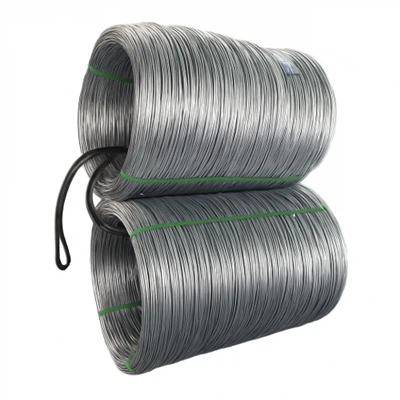
Hey there! As a supplier of stainless steel wire, I often get asked about the different grades of stainless steel wire. It's a super important topic, especially if you're in the market for this kind of product. So, I thought I'd break it down for you in this blog post.
Let's start with the basics. Stainless steel wire is made from an alloy of iron and chromium, with other elements added to enhance its properties. The grade of stainless steel wire is determined by the specific composition of these elements, which in turn affects its performance, durability, and suitability for different applications.
300 Series Stainless Steel Wires
The 300 series is one of the most commonly used grades of stainless steel wire, and it includes some well - known types like 304 and 316.
304 Stainless Steel Wire
304 stainless steel wire is like the workhorse of the stainless steel world. It contains about 18% chromium and 8% nickel, which gives it excellent corrosion resistance in most environments. This grade is highly versatile and can be used in a wide range of applications, from household items to industrial machinery.
One of the great things about 304 stainless steel wire is its formability. It can be easily bent, shaped, and welded without losing its strength or corrosion - resistant properties. For example, it's commonly used in the manufacturing of springs, wire mesh, and fasteners. If you're looking for a reliable and cost - effective option, 304 Stainless Steel Spring Wire is a great choice.
304LN Stainless Steel Wire
304LN is a low - carbon version of 304 stainless steel. The "LN" stands for low carbon and nitrogen. This grade is particularly useful in applications where welding is involved. The low carbon content reduces the risk of carbide precipitation during welding, which can lead to intergranular corrosion.
304LN stainless steel wire offers similar corrosion resistance to 304 but with better weldability. It's often used in the food and beverage industry, as well as in chemical processing plants where corrosion resistance and weldability are crucial. Check out 304LN Stainless Steel Wire if you need a high - quality wire for these types of applications.
316 Stainless Steel Wire
316 stainless steel wire is another popular choice, especially in more demanding environments. It contains about 16 - 18% chromium, 10% nickel, and 2 - 3% molybdenum. The addition of molybdenum significantly enhances its corrosion resistance, particularly in chloride - rich environments such as seawater.
This grade is commonly used in marine applications, such as boat rigging, as well as in the medical and pharmaceutical industries. 316 stainless steel wire is also known for its high strength and good formability. If you're in need of a wire for spring applications in a corrosive environment, 316 Stainless Steel Spring Wire is a top - notch option.
400 Series Stainless Steel Wires
The 400 series of stainless steel wire is different from the 300 series in terms of its composition and properties. These grades typically have a higher chromium content and little to no nickel.
430 Stainless Steel Wire
430 stainless steel wire contains around 16 - 18% chromium. It has good corrosion resistance, but it's not as good as the 300 series in highly corrosive environments. However, it's magnetic, which can be an advantage in some applications.
This grade is often used in decorative applications, such as architectural trim and automotive trim. It's also used in the manufacturing of kitchen appliances because of its relatively low cost and decent corrosion resistance.
410 Stainless Steel Wire
410 stainless steel wire is a martensitic stainless steel, which means it can be heat - treated to achieve high strength. It contains about 11.5 - 13.5% chromium. This grade has good corrosion resistance in mild environments and is often used in the manufacturing of cutlery, surgical instruments, and shafts.
Other Grades
There are also some other specialized grades of stainless steel wire. For example, 200 series stainless steel wire is a more affordable alternative to the 300 series. It contains manganese instead of some of the nickel, which reduces the cost but also slightly decreases the corrosion resistance.
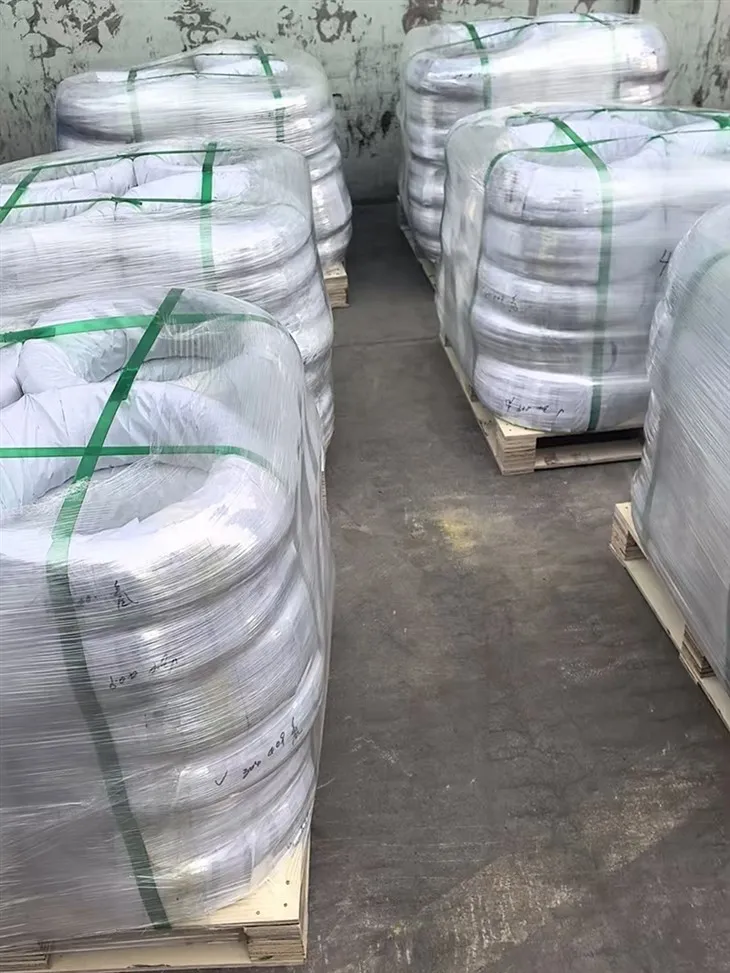

Some high - performance grades, like duplex stainless steel wire, offer a combination of high strength and excellent corrosion resistance. These grades are often used in high - stress applications in the oil and gas industry.
Choosing the Right Grade
When choosing the right grade of stainless steel wire for your application, there are several factors to consider. First, think about the environment in which the wire will be used. If it's going to be exposed to saltwater, a grade like 316 is a better choice than 304.
Next, consider the mechanical properties you need. If you need high strength, a grade like 410 or a heat - treated wire might be suitable. And if you need good formability, 304 is a great option.
Cost is also an important factor. Some grades, like 200 series, are more budget - friendly, while others, like duplex stainless steel, can be more expensive.
As a stainless steel wire supplier, I'm here to help you make the right choice. Whether you're a small business looking for a specific grade for a one - time project or a large manufacturer in need of a continuous supply, I've got you covered.
If you're interested in purchasing stainless steel wire, don't hesitate to reach out. We can discuss your requirements in detail and find the best solution for you. Whether it's the 304, 316, or any other grade, we can provide high - quality products at competitive prices.
Let's work together to get you the stainless steel wire that meets your needs. Contact me today to start the conversation!
References
- ASM Handbook Committee. (2004). ASM Handbook Volume 13A: Corrosion: Fundamentals, Testing, and Protection. ASM International.
- Perry, R. H., & Green, D. W. (1997). Perry's Chemical Engineers' Handbook. McGraw - Hill.