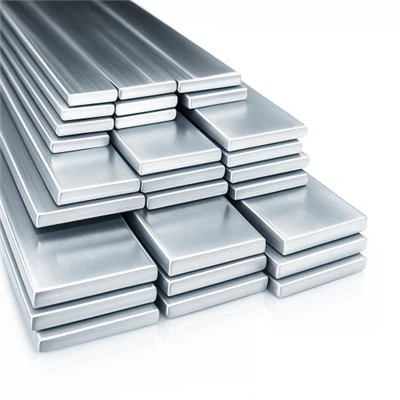
Hey there! As a flat bar stock supplier, I often get asked if flat bar stock is suitable for outdoor use. Well, the answer isn't a simple yes or no. It depends on a bunch of factors, and in this blog, I'll break it all down for you.
Let's start by understanding what flat bar stock is. Flat bar stock is a type of metal bar that has a rectangular cross - section. It comes in various materials like steel, aluminum, and brass. Each material has its own set of properties that can make it more or less suitable for outdoor applications.
Steel Flat Bar Stock
Steel is one of the most commonly used materials for flat bar stock. There are different types of steel flat bars, and two popular ones are the Black Steel Flat Bar and stainless steel flat bars such as 410 Stainless Steel Flat Bar and 303 Stainless Steel Flat Bar.
Black Steel Flat Bar
Black steel flat bars are made from carbon steel and have a dark, blackish appearance due to the presence of an oxide layer. They are relatively inexpensive and have good strength. However, when it comes to outdoor use, they have a major drawback - they are prone to rusting.
If you're in an area with a lot of moisture, rain, or high humidity, black steel flat bars can start to corrode pretty quickly. This corrosion not only affects the appearance of the bar but also weakens its structural integrity over time. So, if you plan to use black steel flat bars outdoors, you'll need to take some extra steps to protect them. You can paint them, coat them with a rust - resistant primer, or use a galvanizing process to add a protective zinc layer.
Stainless Steel Flat Bar
Stainless steel flat bars are a much better option for outdoor use compared to black steel. They contain chromium, which forms a passive oxide layer on the surface of the metal. This layer protects the steel from corrosion and makes it highly resistant to rust.
The 410 Stainless Steel Flat Bar is a martensitic stainless steel. It has good strength and is magnetic. It can withstand moderate outdoor conditions, but it's not as corrosion - resistant as some other stainless steel grades. It's a good choice for applications where you need a balance between strength and corrosion resistance, like in some outdoor frames or brackets.
The 303 Stainless Steel Flat Bar is an austenitic stainless steel. It has excellent corrosion resistance and is also easy to machine. It can handle harsh outdoor environments, including areas near the ocean where there is a lot of salt in the air. However, it's more expensive than 410 stainless steel.
Aluminum Flat Bar Stock
Aluminum flat bar stock is another great option for outdoor use. Aluminum is lightweight, which makes it easy to handle and install. It also has a natural oxide layer that protects it from corrosion. Unlike steel, aluminum doesn't rust.
One of the biggest advantages of aluminum flat bars is their resistance to weathering. They can withstand extreme temperatures, from hot summers to cold winters, without losing their strength or shape. They are also non - magnetic, which can be an advantage in some applications.
However, aluminum is not as strong as steel. So, if you need a flat bar for a heavy - duty outdoor application where it will be under a lot of stress, steel might be a better choice. But for lighter applications like outdoor signage frames, decorative elements, or some types of fencing, aluminum flat bars are a great option.
Brass Flat Bar Stock
Brass is an alloy of copper and zinc. It has a beautiful golden - yellow color and is highly resistant to corrosion. Brass flat bar stock is also easy to machine and has good acoustic properties.
In outdoor settings, brass can hold up well. It forms a patina over time, which not only gives it a unique look but also provides additional protection against the elements. However, brass is relatively soft compared to steel and aluminum. It can be scratched or dented more easily, so it might not be suitable for applications where it will be subject to a lot of physical abuse.
Factors to Consider for Outdoor Use
When deciding if flat bar stock is suitable for outdoor use, there are several factors you need to consider:
Climate
The climate in your area is a crucial factor. If you live in a coastal area with high salt content in the air, you'll need a flat bar that is highly corrosion - resistant, like 303 stainless steel or aluminum. In a dry, arid climate, you might have more options, including black steel if you take proper protective measures.
Exposure to Elements
Think about how much the flat bar will be exposed to rain, snow, sunlight, and wind. If it's going to be fully exposed, you'll need a more durable material. If it's going to be under a roof or in a sheltered area, you might have more flexibility in your choice.
Load and Stress
Consider the amount of weight or stress the flat bar will need to support. For heavy - duty applications, steel is usually the best choice. For lighter loads, aluminum or brass might be sufficient.
Conclusion
So, is flat bar stock suitable for outdoor use? The answer is yes, but it depends on the material you choose and the specific outdoor conditions. Stainless steel, aluminum, and brass are generally good choices for outdoor applications because of their corrosion resistance. Black steel can be used outdoors, but it requires extra protection.
If you're still not sure which type of flat bar stock is right for your outdoor project, don't hesitate to reach out. We're here to help you make the best decision based on your needs. Whether you're working on a small DIY project or a large - scale construction job, we have a wide range of flat bar stock options to choose from. Let's talk and find the perfect solution for your outdoor flat bar needs!


References
- "Metals Handbook: Properties and Selection: Irons, Steels, and High - Performance Alloys" by ASM International
- "Aluminum: Properties and Physical Metallurgy" by John E. Hatch
- "Brass Alloys: Properties and Applications" by various industry publications