As a supplier of 304 stainless steel wire, I am often asked about the corrosion resistance of this product. In this blog post, I will delve into the science behind the corrosion resistance of 304 stainless steel wire, explore its performance in various environments, and provide insights for potential buyers.
Understanding 304 Stainless Steel Wire
304 stainless steel is one of the most widely used grades of stainless steel. It contains approximately 18% chromium and 8% nickel, along with small amounts of carbon, silicon, and manganese. The addition of chromium is crucial for its corrosion resistance. When exposed to oxygen, chromium forms a thin, invisible layer of chromium oxide on the surface of the steel. This passive layer acts as a barrier, preventing further oxidation and protecting the underlying metal from corrosion.
The nickel in 304 stainless steel enhances its ductility, toughness, and resistance to corrosion in certain environments. It also helps to maintain the austenitic structure of the steel, which provides excellent formability and weldability.
Corrosion Resistance in Different Environments
Atmospheric Conditions
In normal atmospheric conditions, 304 stainless steel wire exhibits excellent corrosion resistance. The passive chromium oxide layer forms quickly when the wire is exposed to air, protecting it from rust and other forms of corrosion. This makes 304 stainless steel wire suitable for a wide range of outdoor applications, such as fencing, railing, and architectural structures.
However, in polluted or coastal atmospheres, the corrosion resistance of 304 stainless steel wire may be compromised. Pollutants such as sulfur dioxide, nitrogen oxides, and particulate matter can react with the passive layer, causing it to break down. In coastal areas, the presence of salt in the air can also accelerate corrosion. In these environments, it may be necessary to choose a more corrosion-resistant grade of stainless steel, such as 317L Stainless Steel Welding Wire, which contains higher levels of chromium, nickel, and molybdenum.
Chemical Environments
The corrosion resistance of 304 stainless steel wire in chemical environments depends on the type and concentration of the chemicals involved. In general, 304 stainless steel is resistant to many organic and inorganic acids, alkalis, and salts at room temperature. However, it may be attacked by strong acids, such as hydrochloric acid and sulfuric acid, especially at elevated temperatures and concentrations.
In some cases, the addition of molybdenum can improve the corrosion resistance of 304 stainless steel in certain chemical environments. For example, 316 stainless steel, which contains approximately 2-3% molybdenum, is more resistant to pitting and crevice corrosion in chloride-containing environments than 304 stainless steel.
High-Temperature Environments
At high temperatures, the corrosion resistance of 304 stainless steel wire can be affected by oxidation and scaling. As the temperature increases, the rate of oxidation of the chromium in the steel also increases, leading to the formation of a thicker and less protective oxide layer. This can result in a loss of corrosion resistance and a decrease in the mechanical properties of the wire.
In high-temperature applications, it may be necessary to choose a stainless steel grade with better high-temperature resistance, such as 310s Stainless Steel Wire Mesh, which contains higher levels of chromium and nickel and is designed to withstand temperatures up to 1150°C (2100°F).
Factors Affecting Corrosion Resistance
Surface Finish
The surface finish of 304 stainless steel wire can have a significant impact on its corrosion resistance. A smooth, polished surface is less likely to accumulate dirt, debris, and moisture, which can promote corrosion. In addition, a polished surface can help to maintain the integrity of the passive layer, making it more resistant to damage.
On the other hand, a rough or scratched surface can provide sites for corrosion to initiate. Scratches can break the passive layer, exposing the underlying metal to the environment. Therefore, it is important to handle 304 stainless steel wire carefully during installation and use to avoid scratching the surface.
Welding and Fabrication
Welding and fabrication processes can also affect the corrosion resistance of 304 stainless steel wire. During welding, the heat can cause the chromium in the steel to react with carbon, forming chromium carbides. These carbides can deplete the chromium in the area around the weld, reducing the corrosion resistance of the wire.
To minimize the impact of welding on corrosion resistance, it is important to use proper welding techniques and filler materials. For example, using a low-carbon filler material can help to reduce the formation of chromium carbides. In addition, post-weld heat treatment can be used to restore the corrosion resistance of the welded area.
Maintenance and Cleaning
Regular maintenance and cleaning can help to maintain the corrosion resistance of 304 stainless steel wire. Cleaning the wire with a mild detergent and water can remove dirt, debris, and other contaminants that can promote corrosion. It is important to avoid using abrasive cleaners or tools, as these can scratch the surface of the wire and damage the passive layer.
In some cases, it may be necessary to apply a protective coating to the 304 stainless steel wire to enhance its corrosion resistance. Coating materials such as paint, powder coating, or galvanizing can provide an additional layer of protection against corrosion.
Conclusion
In conclusion, 304 stainless steel wire offers excellent corrosion resistance in many environments, thanks to the formation of a passive chromium oxide layer on its surface. However, its corrosion resistance can be affected by factors such as atmospheric conditions, chemical exposure, high temperatures, surface finish, welding and fabrication, and maintenance and cleaning.

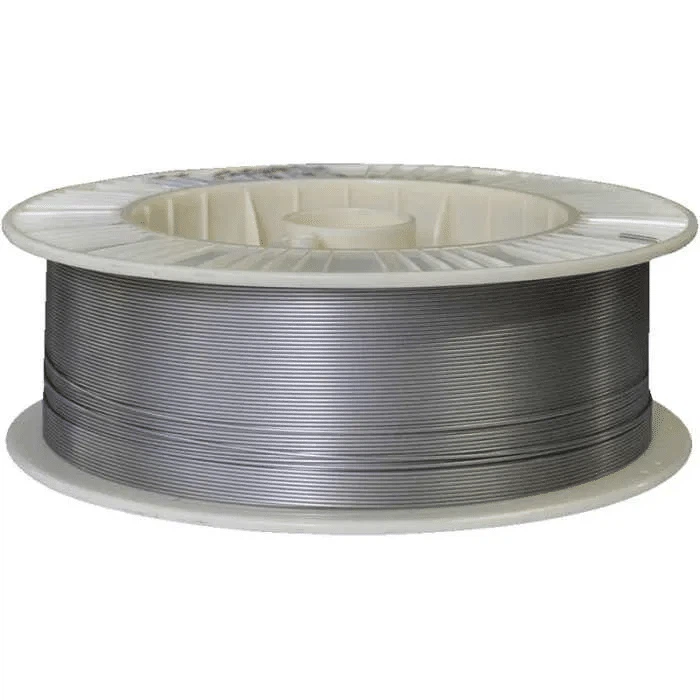
When choosing 304 stainless steel wire for a specific application, it is important to consider the environmental conditions and the requirements of the project. In some cases, it may be necessary to choose a more corrosion-resistant grade of stainless steel or to take additional measures to protect the wire from corrosion.
As a supplier of 304 stainless steel wire, I am committed to providing high-quality products and professional advice to my customers. If you have any questions about the corrosion resistance of 304 stainless steel wire or need help choosing the right product for your application, please do not hesitate to contact me. I look forward to discussing your needs and helping you find the best solution.
References
- ASM Handbook, Volume 13A: Corrosion: Fundamentals, Testing, and Protection. ASM International, 2003.
- Stainless Steel World Americas. "Corrosion Resistance of Stainless Steel." Accessed [Date].
- Wikipedia. "Stainless Steel." Accessed [Date].