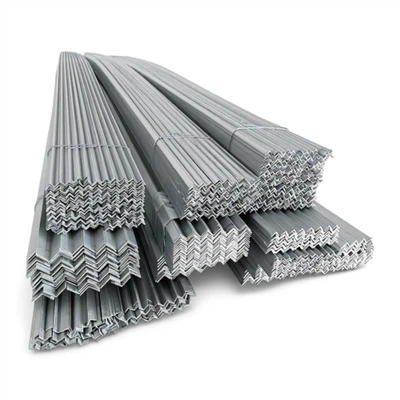
Bent stainless steel flat bars can be a common issue in various industries, whether it's due to improper handling during transportation, storage, or usage. As a reputable stainless steel flat bar supplier, we understand the importance of having straight and high - quality bars for your projects. In this blog, we'll explore different methods to straighten a bent stainless steel flat bar, ensuring that you can make the most of your materials and achieve the best results for your applications.
Understanding Stainless Steel Flat Bars
Before we dive into the straightening methods, let's briefly understand the different types of stainless steel flat bars we offer. We supply 304 Stainless Steel Flat Bar, which is known for its excellent corrosion resistance and versatility. It contains chromium and nickel, making it suitable for a wide range of applications, from architectural to food processing.
Another popular option is the 410 Stainless Steel Flat Bar. This martensitic stainless steel offers good strength and hardness, along with moderate corrosion resistance. It's often used in applications where high strength is required, such as in cutlery and machinery parts.
We also provide 303 Stainless Steel Flat Bar. This free - machining grade of stainless steel contains sulfur, which improves its machinability. It's commonly used in applications where precision machining is necessary, like in the manufacturing of screws and nuts.
Assessing the Bend
The first step in straightening a bent stainless steel flat bar is to assess the severity and type of the bend. Minor bends can often be corrected with simple tools, while more severe bends may require more advanced techniques. There are two main types of bends: transverse bends (across the width of the bar) and longitudinal bends (along the length of the bar).
For minor transverse bends, you can visually inspect the bar to determine the location and degree of the bend. Place the bar on a flat surface and look for any deviations from a straight line. For longitudinal bends, you can use a straightedge along the length of the bar to identify the areas that need correction.
Methods for Straightening
Cold Straightening
Cold straightening is a common method for correcting minor bends in stainless steel flat bars. This method is suitable for bars with relatively small deflections and is often used when the bar's properties need to remain unchanged.
Using a Vice and Hammer:
- Secure the bent bar in a vice, making sure it is firmly held. The vice should grip the bar on either side of the bend.
- Use a soft - faced hammer, such as a rubber or nylon hammer, to gently tap the bent area. Start from the outer edges of the bend and work your way towards the center. Apply light, controlled blows to gradually straighten the bar. Be careful not to over - strike, as this can cause damage to the bar's surface or create new bends.
- Periodically check the straightness of the bar using a straightedge. Once the bar is mostly straight, make any final adjustments by tapping lightly on the remaining uneven areas.
Using a Press:
- If you have access to a hydraulic press, it can be an effective tool for cold straightening. Place the bent bar on the press bed, aligning the bend with the press ram.
- Slowly apply pressure to the bent area using the press. Monitor the straightening process closely and stop applying pressure as soon as the bar reaches the desired straightness.
- Be cautious when using a press, as excessive pressure can cause the bar to crack or deform in an unwanted way. It's important to have a good understanding of the bar's material properties and the maximum pressure it can withstand.
Hot Straightening
Hot straightening is a more advanced method used for correcting severe bends in stainless steel flat bars. This method involves heating the bar to a specific temperature range to make it more malleable and easier to reshape.
Determining the Heating Temperature:
The heating temperature for stainless steel depends on its grade. For most common grades like 304 and 316, the recommended heating temperature for straightening is between 1000°F (538°C) and 1200°F (649°C). For 410 stainless steel, the temperature range may be slightly different, usually around 900°F (482°C) to 1100°F (593°C).
Using a Torch:


- Use a propane or oxy - acetylene torch to heat the bent area of the bar. Move the torch evenly over the bent section to ensure uniform heating.
- As the bar reaches the appropriate temperature, it will become more pliable. Use a pair of tongs to hold the bar and a suitable tool, such as a large wrench or a straightening jig, to apply pressure to the bent area and straighten it.
- After straightening, allow the bar to cool slowly. Rapid cooling can cause internal stresses and affect the bar's mechanical properties. You can let the bar cool in the air or use a controlled cooling method, such as burying it in sand.
Post - Straightening Inspection
After straightening the stainless steel flat bar, it's important to conduct a thorough inspection to ensure its quality. Check the straightness of the bar using a straightedge and measure the dimensions to ensure they meet the required specifications. Look for any signs of surface damage, such as cracks or scratches, which could affect the bar's performance.
If the bar has been hot - straightened, it may also be necessary to perform a heat treatment to relieve any internal stresses and restore the bar's mechanical properties. This can involve annealing the bar at a specific temperature for a certain period of time, followed by a controlled cooling process.
Preventing Future Bends
To minimize the occurrence of bent stainless steel flat bars in the future, proper handling and storage are crucial. When transporting the bars, use appropriate packaging and securing methods to prevent them from shifting and getting bent. During storage, store the bars on a flat, level surface and avoid stacking them in a way that could cause excessive pressure on the lower bars.
If you're using the bars in a manufacturing process, ensure that the equipment and tools are properly calibrated and maintained to prevent any accidental bending. Train your employees on the correct handling and installation procedures to avoid unnecessary damage to the bars.
Conclusion
Straightening a bent stainless steel flat bar is a process that requires careful assessment, the right tools, and proper techniques. Whether you choose cold straightening for minor bends or hot straightening for more severe ones, it's important to follow the correct procedures to ensure the bar's quality and performance.
As a leading stainless steel flat bar supplier, we are committed to providing you with high - quality products and the knowledge to make the most of them. If you have any questions about straightening stainless steel flat bars or need assistance in selecting the right grade for your application, please don't hesitate to contact us for a procurement discussion. We look forward to working with you to meet all your stainless steel flat bar needs.
References
- ASM Handbook, Volume 1: Properties and Selection: Irons, Steels, and High - Performance Alloys
- Stainless Steel: A Technical Guide, by The Nickel Institute
- Metal Forming Handbook: Processes and Applications, edited by Friedrich Kiendl