Painting a steel solid angle bar is a crucial process that not only enhances its aesthetic appeal but also provides protection against corrosion and wear. As a supplier of Steel Solid Angle Bar, I understand the importance of a proper painting process. In this blog, I will guide you through the step - by - step process of painting a steel solid angle bar.
Understanding the Steel Solid Angle Bar
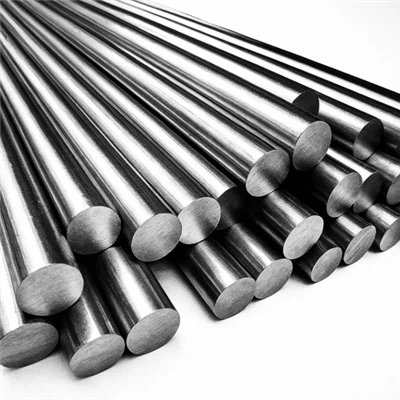
Before we start painting, it's essential to understand what a steel solid angle bar is. A steel solid angle bar, often in the shape of an “L”, is a common structural component used in various industries, including construction, manufacturing, and engineering. The L Type Angle Bar is a popular variant, known for its versatility and strength. These bars can also be used in welding applications, such as the Welding Angle Bar, where they are joined together to form larger structures.
Pre - painting Preparation
The success of the painting process largely depends on the preparation work. Here are the key steps:
Surface Cleaning
The first step is to clean the surface of the steel solid angle bar thoroughly. Any dirt, grease, rust, or mill scale can prevent the paint from adhering properly. You can use a wire brush to remove loose rust and debris. For more stubborn dirt and grease, a degreaser can be applied. After applying the degreaser, rinse the bar with clean water and let it dry completely.
Surface Profiling
Once the bar is clean, it may be necessary to create a surface profile. This can be done using sandblasting or grinding. A proper surface profile provides a better surface for the paint to adhere to. Sandblasting is a common method where abrasive particles are propelled at high speed onto the surface of the bar. This not only removes any remaining contaminants but also creates a rough surface for better paint adhesion.
Masking
If there are areas of the bar that you don't want to paint, such as threaded sections or areas that will be welded later, you should mask them off. Use masking tape to cover these areas carefully. This will ensure that the paint is only applied to the desired areas.
Choosing the Right Paint
Selecting the appropriate paint is crucial for the long - term performance of the painted steel solid angle bar. Here are some factors to consider:
Corrosion Resistance
Since steel is prone to corrosion, the paint should have good corrosion - resistant properties. Epoxy - based paints are a popular choice as they form a strong, durable barrier against moisture and oxygen, which are the main causes of corrosion.
Environmental Conditions
The environment in which the steel solid angle bar will be used also affects the paint selection. For outdoor applications, the paint should be able to withstand UV radiation, extreme temperatures, and weather conditions. Acrylic paints are often used for outdoor applications due to their good weather resistance.
Aesthetic Requirements
If the appearance of the bar is important, you need to choose a paint that provides the desired finish. Paints come in various finishes, such as gloss, semi - gloss, and matte. A gloss finish is more reflective and can give the bar a more polished look, while a matte finish is less reflective and can provide a more subdued appearance.
Painting Process
Once the preparation work is done and the paint is selected, it's time to start painting.
Primer Application
Applying a primer is an important step as it helps the paint adhere better to the steel surface and provides additional corrosion protection. Use a brush or a spray gun to apply the primer evenly. Make sure to follow the manufacturer's instructions regarding the drying time of the primer. Usually, the primer needs to dry for a few hours before the topcoat can be applied.


Topcoat Application
After the primer has dried, apply the topcoat. If you are using a spray gun, hold it at a consistent distance from the bar and move it in a smooth, even motion. This will ensure an even application of the paint. If you are using a brush, use long, smooth strokes to avoid brush marks. Apply multiple thin coats rather than one thick coat. This will result in a more durable and professional - looking finish. Each coat should be allowed to dry completely before applying the next one.
Post - painting Inspection
After the paint has dried, it's important to inspect the painted steel solid angle bar. Check for any areas where the paint may be uneven, have runs, or where there are missed spots. If any issues are found, they can be corrected by sanding the area lightly and reapplying the paint.
Maintenance
Proper maintenance of the painted steel solid angle bar is essential to ensure its long - term performance. Regularly inspect the bar for any signs of paint damage, such as chipping or peeling. If any damage is found, touch up the affected areas as soon as possible. This will prevent corrosion from starting and spreading.
Conclusion
Painting a steel solid angle bar is a multi - step process that requires careful preparation, the right choice of paint, and proper application techniques. By following the steps outlined in this blog, you can ensure that your steel solid angle bar is not only protected against corrosion but also looks great.
If you are interested in purchasing high - quality Steel Solid Angle Bar, we are here to assist you. Our products are known for their excellent quality and durability. Contact us to discuss your specific requirements and start a procurement negotiation. We look forward to working with you.
References
- "Steel Structures Painting Manual", published by the Steel Structures Painting Council.
- "Corrosion Protection of Steel Structures", various industry - specific research papers on corrosion prevention and painting techniques.