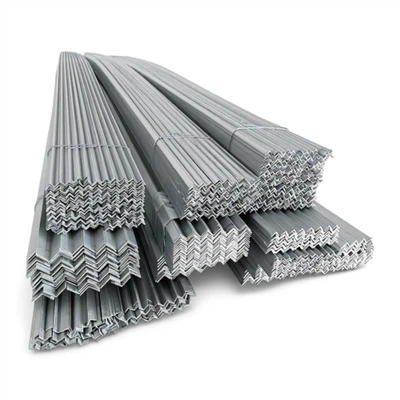
Accurately measuring metal U-shaped channels is crucial for various industries, from construction to manufacturing. As a trusted supplier of high-quality metal U-shaped channels, including 304 Stainless Channel, U Shaped Stainless Steel Channel, and Polished Stainless Steel Channel, I understand the significance of precise measurements. In this blog post, I'll share some essential tips and techniques to help you measure metal U-shaped channels accurately.
Understanding the Basics of Metal U-Shaped Channels
Before delving into the measurement process, it's important to have a clear understanding of what metal U-shaped channels are and their common applications. Metal U-shaped channels are structural components with a U-shaped cross-section, typically made from materials such as stainless steel, aluminum, or carbon steel. They are widely used in construction for framing, support, and reinforcement, as well as in manufacturing for equipment and machinery.
Tools Required for Measuring Metal U-Shaped Channels
To measure metal U-shaped channels accurately, you'll need the following tools:
- Calipers: Digital or vernier calipers are essential for measuring the thickness, width, and depth of the channel. They provide precise measurements up to 0.01 mm or 0.001 inches.
- Micrometers: Micrometers are used for measuring the internal and external dimensions of the channel with high accuracy. They are particularly useful for measuring the thickness of the channel walls.
- Rulers and Tape Measures: Rulers and tape measures are used for measuring the length of the channel. Make sure to use a ruler or tape measure with clear markings and a straight edge.
- Angle Finder: An angle finder is used for measuring the angle of the channel. This is important for ensuring that the channel is installed at the correct angle.
Measuring the Dimensions of Metal U-Shaped Channels
The following steps will guide you through the process of measuring the dimensions of metal U-shaped channels:
- Measure the Length: Use a ruler or tape measure to measure the length of the channel from one end to the other. Make sure to measure along the centerline of the channel for the most accurate measurement.
- Measure the Width: Use calipers to measure the width of the channel at the top and bottom. Measure the width at several points along the length of the channel to ensure that it is consistent.
- Measure the Depth: Use calipers to measure the depth of the channel from the top to the bottom. Measure the depth at several points along the length of the channel to ensure that it is consistent.
- Measure the Thickness: Use calipers or micrometers to measure the thickness of the channel walls. Measure the thickness at several points along the length and width of the channel to ensure that it is consistent.
- Measure the Angle: Use an angle finder to measure the angle of the channel. This is important for ensuring that the channel is installed at the correct angle.
Measuring the Tolerances of Metal U-Shaped Channels
In addition to measuring the dimensions of the channel, it's also important to measure the tolerances. Tolerances refer to the allowable variation in the dimensions of the channel. They are specified by the manufacturer and are typically expressed in millimeters or inches.
To measure the tolerances of the channel, you'll need to compare the measured dimensions with the specified dimensions. If the measured dimensions are within the specified tolerances, the channel is considered to be within acceptable limits. If the measured dimensions are outside the specified tolerances, the channel may need to be rejected or reworked.
Measuring the Surface Finish of Metal U-Shaped Channels
The surface finish of the channel can also affect its performance and appearance. To measure the surface finish of the channel, you can use a surface roughness tester. This tool measures the roughness of the surface in micrometers or microinches.
A smooth surface finish is generally preferred for applications where the channel will be in contact with other materials or where appearance is important. A rough surface finish may be acceptable for applications where the channel will be painted or coated.
Tips for Accurate Measurement
To ensure accurate measurement of metal U-shaped channels, follow these tips:
- Use the Right Tools: Make sure to use the right tools for the job. Using the wrong tools can result in inaccurate measurements.
- Measure Multiple Times: Measure the dimensions of the channel multiple times to ensure consistency and accuracy.
- Measure at Different Points: Measure the dimensions of the channel at different points along its length and width to ensure that it is consistent.
- Check for Defects: Before measuring the channel, check for any defects such as cracks, dents, or scratches. These defects can affect the accuracy of the measurements.
- Follow the Manufacturer's Specifications: Make sure to follow the manufacturer's specifications for measuring the channel. This will ensure that the channel meets the required standards.
Conclusion
Accurately measuring metal U-shaped channels is essential for ensuring their proper installation and performance. By using the right tools and following the steps outlined in this blog post, you can measure the dimensions, tolerances, and surface finish of the channel with high accuracy. If you have any questions or need further assistance with measuring metal U-shaped channels, please don't hesitate to contact us. We're here to help you find the right solution for your needs.
References
- ASME B46.1 - Surface Texture (Surface Roughness, Waviness, and Lay)
- ASTM A36/A36M - Standard Specification for Carbon Structural Steel
- ASTM A53/A53M - Standard Specification for Pipe, Steel, Black and Hot-Dipped, Zinc-Coated, Welded and Seamless
If you're interested in purchasing high-quality metal U-shaped channels, please contact us to discuss your requirements and explore our product range. We're committed to providing our customers with the best products and services at competitive prices.