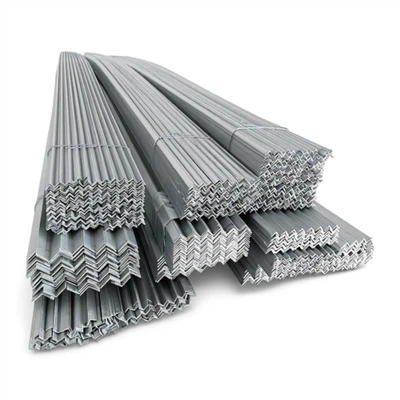
Hey there! As a supplier of stainless flat wire, I often get asked, "Can stainless flat wire be bent easily?" Well, let's dive right into this topic and find out.
First off, what exactly is stainless flat wire? It's a type of wire made from stainless steel, which is an alloy known for its corrosion - resistance and strength. The flat shape gives it some unique properties compared to round wire. You can find it used in a wide range of applications, from jewelry - making to industrial machinery.
Now, back to the big question: can it be bent easily? The answer isn't a simple yes or no. It depends on several factors.
Factors Affecting Bendability
1. Grade of Stainless Steel
There are different grades of stainless steel used to make flat wire, and each has its own characteristics. For example, 304 Stainless Steel Spring Wire is a popular choice. It's relatively easy to work with and has good ductility, which means it can be bent to a certain degree without breaking. The 304 grade contains chromium and nickel, which not only give it corrosion - resistance but also contribute to its malleability.
On the other hand, 304L Stainless Steel Wire is a low - carbon version of 304. It's even more weldable and has similar bendability, but it might be a bit softer in some cases.
Then we have 316L Stainless Steel Wire. This grade is known for its excellent corrosion - resistance, especially in harsh environments. However, it's a bit tougher and less ductile compared to 304. So, bending 316L flat wire might require a bit more force and the right tools.


2. Thickness and Width
The thickness and width of the flat wire play a huge role in its bendability. Thinner and narrower wires are generally easier to bend. If you're working with a very thin stainless flat wire, you might be able to bend it by hand. But as the thickness and width increase, you'll need to use tools like pliers, bending jigs, or even hydraulic benders. For instance, a 0.5mm thick and 2mm wide flat wire will be much more flexible than a 2mm thick and 10mm wide one.
3. Heat Treatment
Heat treatment can also affect the bendability of stainless flat wire. Annealed stainless flat wire is softer and more ductile. Annealing is a process where the wire is heated to a specific temperature and then slowly cooled. This relieves internal stresses in the wire and makes it easier to bend. On the contrary, hardened or tempered wire is more rigid and difficult to bend.
Bending Methods
Manual Bending
For small - scale projects or when working with thin wires, manual bending is a common method. You can use simple tools like pliers or your hands. If you're making a small jewelry piece, for example, you can use round - nose pliers to create loops in the wire. However, manual bending has its limitations. It's hard to achieve precise bends, especially for complex shapes.
Using Bending Jigs
Bending jigs are great for achieving consistent and accurate bends. They are essentially templates that guide the wire into the desired shape. You can make your own bending jigs using wood or metal, or you can buy pre - made ones. They are especially useful when you need to bend multiple pieces of wire to the same shape.
Machine Bending
For industrial applications or when dealing with large quantities of wire, machine bending is the way to go. There are different types of bending machines, such as press brakes and tube benders. These machines can apply a large amount of force and can bend wires of various thicknesses and widths. They can also achieve complex bends with high precision.
Tips for Bending Stainless Flat Wire
- Lubrication: Using a lubricant like oil or wax can reduce friction during the bending process. This makes the wire easier to bend and also helps prevent scratching.
- Start Slowly: When using tools or machines to bend the wire, start with a small bend and gradually increase the angle. This helps you avoid over - bending and breaking the wire.
- Check for Cracks: After bending, always check the wire for cracks. If you see any cracks, it might be a sign that the wire is too hard or that you've bent it too sharply.
Applications of Bent Stainless Flat Wire
Bent stainless flat wire has a wide range of applications. In the jewelry industry, it's used to create necklaces, bracelets, and earrings. The ability to bend the wire allows designers to create unique and intricate designs.
In the automotive industry, bent stainless flat wire is used in gaskets, seals, and various engine components. The corrosion - resistance of stainless steel makes it suitable for these applications, and the ability to bend the wire into the right shape ensures a proper fit.
In the construction industry, it's used in reinforcement bars, mesh, and other structural elements. Bending the wire allows it to be integrated into different building designs.
Conclusion
So, can stainless flat wire be bent easily? It depends on the grade of stainless steel, the thickness and width of the wire, and the heat treatment. With the right tools and techniques, you can bend stainless flat wire to suit your needs. Whether you're a hobbyist making jewelry or an industrial manufacturer, understanding the bendability of stainless flat wire is crucial.
If you're interested in our stainless flat wire products and want to discuss your specific requirements, feel free to reach out. We're here to help you find the perfect wire for your project.
References
- "Stainless Steel Handbook" by ASM International
- "Metalworking for Dummies" by Jeff Grubb