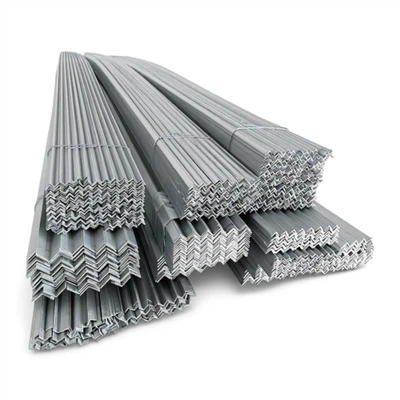
Stainless steel flat bars are renowned for their durability, corrosion resistance, and versatility, making them a popular choice in various industries, from construction to manufacturing. As a trusted stainless steel flat bar supplier, I understand the importance of long - term maintenance to ensure these bars retain their performance and aesthetic appeal. In this blog, I'll share some essential tips on how to maintain stainless steel flat bars over an extended period.


Understanding the Basics of Stainless Steel
Before delving into maintenance, it's crucial to understand what makes stainless steel unique. Stainless steel contains chromium, which forms a passive oxide layer on the surface. This layer acts as a shield, protecting the steel from corrosion and oxidation. However, this layer can be damaged under certain conditions, leading to corrosion. Different grades of stainless steel, such as 304 Stainless Steel Flat Bar and 303 Stainless Steel Flat Bar, have varying levels of corrosion resistance and other properties, which should be considered during maintenance.
Regular Cleaning
Regular cleaning is the foundation of long - term stainless steel flat bar maintenance. Dirt, dust, and other contaminants can accumulate on the surface, potentially damaging the passive oxide layer. Here's how to clean stainless steel flat bars effectively:
- Mild Detergent and Water: For routine cleaning, a solution of mild detergent and warm water is usually sufficient. Use a soft cloth or sponge to gently wipe the surface in the direction of the grain. Avoid using abrasive materials that can scratch the surface, as scratches can compromise the protective oxide layer.
- Rinsing and Drying: After cleaning, rinse the flat bar thoroughly with clean water to remove any detergent residue. Then, dry the surface immediately with a clean, soft cloth. Leaving water on the surface for an extended period can lead to water spots and, in some cases, corrosion.
Dealing with Stains and Contaminants
Despite regular cleaning, stainless steel flat bars may still encounter stains and contaminants. Here are some common issues and how to address them:
- Fingerprints and Grease: Fingerprints and grease can be removed using a mild glass cleaner or a solution of vinegar and water. Apply the cleaner to a soft cloth and wipe the affected area gently.
- Rust Stains: Although stainless steel is resistant to rust, it can still develop rust stains if exposed to certain conditions. For light rust stains, a stainless - steel cleaner or a paste made of baking soda and water can be used. Apply the cleaner or paste to the stain, let it sit for a few minutes, and then scrub gently with a soft brush. Rinse and dry the area thoroughly. For more stubborn rust stains, a commercial rust remover specifically designed for stainless steel may be necessary.
- Chemical Contaminants: If the flat bar comes into contact with chemicals such as acids or alkalis, it's important to rinse the area immediately with plenty of water. If the chemical has caused damage to the surface, consult a professional for advice on repair and restoration.
Preventing Corrosion
Preventing corrosion is key to long - term maintenance of stainless steel flat bars. Here are some preventive measures:
- Avoid Contact with Other Metals: When using stainless steel flat bars in a structure or assembly, avoid direct contact with other metals, especially those that are more prone to corrosion. Galvanic corrosion can occur when two different metals are in contact in the presence of an electrolyte (such as water), which can damage the stainless steel. If contact is unavoidable, use a non - conductive material such as rubber or plastic as a barrier.
- Proper Storage: During storage, keep stainless steel flat bars in a dry, well - ventilated area. Avoid storing them in areas where they may be exposed to moisture, chemicals, or other contaminants. If possible, store the bars on a raised platform or rack to prevent contact with the ground.
- Environmental Considerations: The environment in which the stainless steel flat bars are used can also affect their corrosion resistance. In coastal areas, where the air contains salt, the bars may be more prone to corrosion. In such cases, consider using a higher - grade stainless steel or applying a protective coating to the bars.
Inspecting for Damage
Regular inspections are essential to detect any signs of damage or corrosion early. Here's what to look for during an inspection:
- Surface Defects: Check for scratches, dents, or other surface defects that may compromise the protective oxide layer. If any defects are found, they should be repaired as soon as possible to prevent further damage.
- Corrosion: Look for signs of corrosion, such as rust stains, pitting, or discoloration. If corrosion is detected, determine the cause and take appropriate measures to address it.
- Loose or Damaged Fasteners: If the flat bar is part of an assembly, check the fasteners (such as bolts and nuts) for tightness and damage. Loose or damaged fasteners can cause stress on the bar, leading to premature failure.
Protective Coatings
Applying a protective coating to stainless steel flat bars can provide an additional layer of protection against corrosion and other forms of damage. There are several types of protective coatings available, including:
- Paint Coatings: Paint coatings can provide both aesthetic and protective benefits. They can be used to match the color of the surrounding environment or to provide a high - gloss finish. However, paint coatings may require periodic re - application and may not be suitable for all applications.
- Powder Coatings: Powder coatings are a popular choice for stainless steel flat bars. They are durable, resistant to chipping and scratching, and provide excellent corrosion protection. Powder coatings are applied electrostatically and then cured in an oven, resulting in a hard, smooth finish.
- Wax or Oil Coatings: Wax or oil coatings can be used to provide a temporary protective layer. They are easy to apply and can help to prevent fingerprints, dirt, and moisture from adhering to the surface. However, they may need to be reapplied regularly.
Handling and Installation
Proper handling and installation of stainless steel flat bars are also important for long - term maintenance. Here are some tips:
- Use Proper Lifting Equipment: When lifting stainless steel flat bars, use lifting equipment that is designed for the weight and size of the bars. Avoid using sharp or abrasive lifting tools that can damage the surface.
- Follow Installation Guidelines: Follow the manufacturer's installation guidelines carefully to ensure that the bars are installed correctly. This includes proper alignment, fastening, and support. Improper installation can cause stress on the bars, leading to premature failure.
Conclusion
Maintaining stainless steel flat bars in the long term requires a combination of regular cleaning, preventive measures, and proper handling. By following the tips outlined in this blog, you can ensure that your stainless steel flat bars retain their performance and aesthetic appeal for many years to come.
As a stainless steel flat bar supplier, I'm committed to providing high - quality products and expert advice on maintenance. If you're in the market for Black Steel Flat Bar, 304 Stainless Steel Flat Bar, 303 Stainless Steel Flat Bar, or any other type of stainless steel flat bar, please don't hesitate to contact me for more information and to discuss your specific requirements. I look forward to working with you to meet your stainless - steel needs.
References
- ASM Handbook, Volume 13A: Corrosion, ASM International.
- Stainless Steel Design Manual, The Nickel Institute.
- ASTM International standards related to stainless steel.