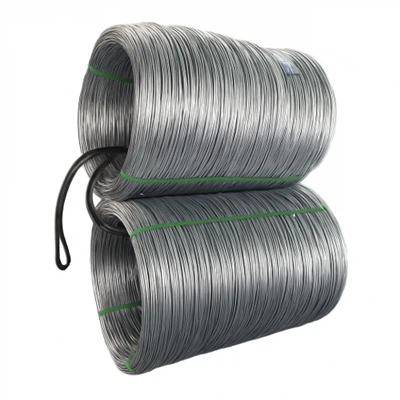
Hey there! I'm a supplier of stainless steel wire, and I know that keeping your stainless steel wire in top - notch condition is super important. One key aspect of this is proper lubrication. In this blog, I'll share some great tips on how to lubricate stainless steel wire effectively.
Why Lubricate Stainless Steel Wire?
Before we dive into the how - to, let's talk about why lubrication is so crucial. First off, lubrication reduces friction. When stainless steel wire is used in machinery or other applications, friction can cause wear and tear over time. This not only shortens the lifespan of the wire but can also lead to inefficiencies in the equipment it's used in.
Secondly, lubrication helps prevent corrosion. Stainless steel is known for its corrosion - resistant properties, but in harsh environments, it's still vulnerable. A good lubricant forms a protective barrier between the wire and the surrounding elements, keeping moisture and other corrosive substances at bay.
Types of Lubricants for Stainless Steel Wire
There are several types of lubricants that you can use for stainless steel wire, and each has its own pros and cons.
Oil - based Lubricants
Oil - based lubricants are very popular. They offer excellent lubrication and can penetrate into the smallest crevices of the wire. Mineral oils are a common choice. They're relatively inexpensive and widely available. However, they can attract dust and dirt, which might lead to a buildup over time.


Grease - based Lubricants
Grease is thicker than oil, and it tends to stay in place better. This makes it a great option for applications where the wire is exposed to high pressure or heavy loads. Grease also provides good corrosion protection. But, it can be a bit messy to apply, and it might require more frequent re - application in some cases.
Dry Lubricants
Dry lubricants, like graphite or molybdenum disulfide, are another option. They're great for applications where you don't want a wet or sticky residue. Dry lubricants work well in high - temperature environments. However, they may not offer the same level of long - term protection as oil or grease in some cases.
How to Choose the Right Lubricant
Picking the right lubricant depends on a few factors.
Application
If your stainless steel wire is used in a high - speed machinery, an oil - based lubricant might be the best choice because it can provide smooth and continuous lubrication. For heavy - duty applications, such as in construction or mining equipment, a grease - based lubricant would be more suitable due to its ability to handle high pressures.
If the wire is used in a clean environment, like in electronics, a dry lubricant could be ideal to avoid attracting dust.
Environment
The environment where the wire is used also matters. If it's in a wet or humid area, you'll want a lubricant that offers strong corrosion protection, like a grease or a high - quality oil. In a high - temperature environment, a dry lubricant or a high - temperature - rated oil would be better.
Steps to Lubricate Stainless Steel Wire
Step 1: Clean the Wire
Before applying any lubricant, it's essential to clean the wire thoroughly. Use a mild detergent and water to remove any dirt, debris, or old lubricant. You can also use a wire brush to gently scrub the wire if there's stubborn dirt. Rinse the wire well and let it dry completely. This ensures that the new lubricant can adhere properly to the wire.
Step 2: Apply the Lubricant
The method of application depends on the type of lubricant you're using.
- Oil - based Lubricants: You can use a brush, a spray bottle, or a dip tank. If you're using a brush, simply apply the oil evenly along the length of the wire. For a spray bottle, make sure to cover all parts of the wire. If you have a large quantity of wire, a dip tank might be the most efficient way to apply the oil.
- Grease - based Lubricants: You can use a grease gun or a spatula. A grease gun is great for precision application, especially in hard - to - reach areas. If you're using a spatula, spread the grease evenly over the wire.
- Dry Lubricants: These are usually applied as a powder. You can use a powder applicator or simply dust the wire with the dry lubricant. Make sure to cover the entire surface of the wire.
Step 3: Distribute the Lubricant
After applying the lubricant, it's important to distribute it evenly. You can do this by pulling the wire through a set of guides or rollers. This helps the lubricant penetrate into the wire and ensures that it's spread uniformly.
Step 4: Wipe off Excess Lubricant
For oil - based and grease - based lubricants, it's a good idea to wipe off any excess lubricant. This not only keeps the work area clean but also prevents the lubricant from attracting dust and dirt. You can use a clean cloth to gently wipe the wire.
Maintenance Tips
Once you've lubricated your stainless steel wire, regular maintenance is key. Check the wire periodically to see if the lubricant is still effective. Look for signs of wear, corrosion, or dryness. If the lubricant has started to break down or has been washed away, re - apply it as needed.
Also, store your lubricated stainless steel wire in a clean and dry place. This helps maintain the integrity of the lubricant and the wire itself.
Our Stainless Steel Wire Products
We offer a wide range of stainless steel wire products, including 304 Stainless Steel Wire, Stainless Flat Wire, and 304L Stainless Steel Wire. These wires are made from high - quality materials and are suitable for various applications. Whether you need wire for construction, manufacturing, or any other industry, we've got you covered.
Conclusion
Lubricating stainless steel wire is a simple yet important process that can significantly extend the lifespan of the wire and improve its performance. By choosing the right lubricant, following the proper application steps, and maintaining the wire regularly, you can ensure that your stainless steel wire serves you well for a long time.
If you're interested in purchasing our stainless steel wire products or have any questions about lubrication, feel free to reach out to us. We're here to help you make the best choices for your needs.
References
- "Handbook of Lubrication and Tribology, Volume I: Applications and Management" by Bo O. Jacobson and Howard S. Cheng
- "Stainless Steel: Properties and Selection" by ASM International