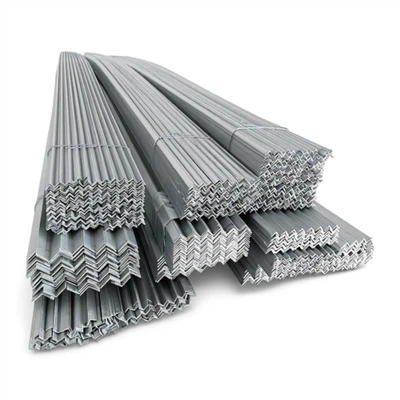
Stainless steel channels are widely used in various industries due to their durability, corrosion resistance, and aesthetic appeal. However, in certain applications, especially those where fire safety is a concern, improving the fire - resistance of stainless steel channels becomes crucial. As a stainless steel channel supplier, I understand the importance of providing products that meet high - standard fire - safety requirements. In this blog, I will share some effective ways to enhance the fire - resistance of stainless steel channels.
Understanding the Basics of Stainless Steel and Fire Resistance
Before delving into the methods of improving fire resistance, it's essential to understand how stainless steel behaves under fire conditions. Stainless steel is an alloy primarily composed of iron, chromium, nickel, and other elements. Chromium forms a passive oxide layer on the surface of the steel, which provides corrosion resistance. When exposed to high temperatures, this oxide layer can be disrupted, and the mechanical properties of the stainless steel can degrade.
The fire resistance of stainless steel is measured by its ability to maintain its structural integrity and load - bearing capacity at elevated temperatures. Factors such as the chemical composition of the stainless steel, the thickness of the channel, and the presence of protective coatings all play a role in determining its fire - resistance performance.
Selecting the Right Grade of Stainless Steel
One of the most fundamental steps in improving the fire - resistance of stainless steel channels is to choose the appropriate grade of stainless steel. Different grades have different chemical compositions, which directly affect their fire - resistance properties.
For instance, 304 Stainless Channel is a commonly used grade. While it offers good general corrosion resistance, its fire - resistance may not be sufficient for high - risk applications. On the other hand, grades like 316 and 316L, which contain molybdenum, have better resistance to pitting and crevice corrosion and also perform better at elevated temperatures compared to 304.
In addition, high - chromium and high - nickel grades, such as 321 and 347, are known for their excellent resistance to oxidation and high - temperature strength. These grades can maintain their mechanical properties at higher temperatures for a longer period, making them suitable for applications where fire safety is a priority.
Increasing the Thickness of the Stainless Steel Channel
The thickness of the stainless steel channel has a significant impact on its fire - resistance. A thicker channel can withstand higher temperatures for a longer time before losing its structural integrity. When designing a structure that requires high fire - resistance, increasing the thickness of the stainless steel channel is a straightforward and effective solution.
However, it's important to note that increasing the thickness also increases the weight and cost of the material. Therefore, a balance needs to be struck between the required fire - resistance level, the structural requirements of the application, and the budget constraints. Engineers and designers should conduct a detailed analysis to determine the optimal thickness of the stainless steel channel for a specific project.
Applying Fire - Resistant Coatings
Fire - resistant coatings are an effective way to enhance the fire - resistance of stainless steel channels. These coatings work by forming a protective layer on the surface of the stainless steel, which insulates it from the heat and slows down the rate of temperature increase.
There are different types of fire - resistant coatings available, including intumescent coatings and non - intumescent coatings. Intumescent coatings expand when exposed to heat, forming a thick, insulating char layer that protects the underlying stainless steel. Non - intumescent coatings, on the other hand, provide a physical barrier that prevents oxygen and heat from reaching the steel.
When applying fire - resistant coatings, it's crucial to follow the manufacturer's instructions carefully. The surface of the stainless steel channel must be properly prepared, including cleaning and degreasing, to ensure good adhesion of the coating. Regular inspections and maintenance of the coatings are also necessary to ensure their long - term effectiveness.
Incorporating Fire - Resistant Insulation
Another approach to improving the fire - resistance of stainless steel channels is to incorporate fire - resistant insulation materials. Insulation can reduce the heat transfer to the stainless steel, allowing it to maintain its structural integrity for a longer time during a fire.
Common fire - resistant insulation materials include mineral wool, ceramic fiber, and calcium silicate. These materials have low thermal conductivity and can effectively slow down the rate of heat transfer. Insulation can be installed around the stainless steel channel either during the construction phase or as a retrofit measure.
When using insulation, it's important to ensure that it is properly installed and sealed to prevent the ingress of air and moisture, which can reduce its effectiveness. Additionally, the insulation should be compatible with the stainless steel channel and other components of the structure to avoid any potential chemical reactions.
Designing for Fire - Resistance
Proper design is also essential for improving the fire - resistance of stainless steel channels. The design of the structure should take into account factors such as the layout of the channels, the connection details, and the overall fire - protection strategy.
For example, the spacing between stainless steel channels can affect the ventilation and heat transfer within the structure. Adequate spacing can prevent the build - up of heat and reduce the risk of fire spread. In addition, the connection details between the channels and other structural components should be designed to ensure that they can withstand the forces generated during a fire without failing.
Furthermore, the overall fire - protection strategy of the building should include measures such as fire - rated partitions, fire doors, and sprinkler systems. These measures can work together with the fire - resistant stainless steel channels to provide a comprehensive fire - safety solution.
Testing and Certification
To ensure the effectiveness of the fire - resistance measures, it's important to conduct testing and obtain relevant certifications. There are various testing standards and methods available, such as ASTM E119 and ISO 834, which simulate fire conditions and evaluate the performance of stainless steel channels.
Testing can help to verify that the stainless steel channels meet the required fire - resistance ratings and can provide valuable information for further improvement. Certification from recognized testing agencies can also enhance the credibility of the products and give customers confidence in their fire - safety performance.
Conclusion
Improving the fire - resistance of stainless steel channels is a multi - faceted process that involves selecting the right grade of stainless steel, increasing the thickness, applying protective coatings, incorporating insulation, and proper design. As a stainless steel channel supplier, I am committed to providing high - quality products that meet the highest fire - safety standards.

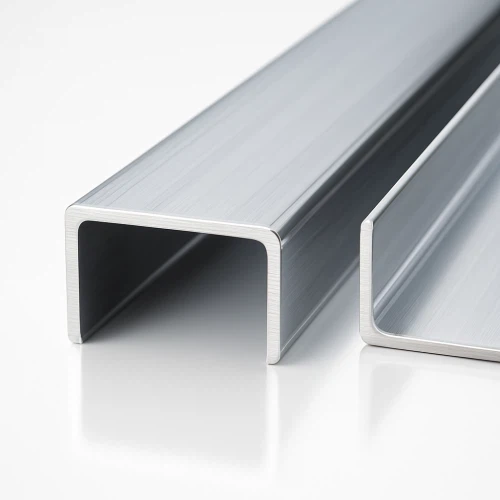
Whether you are in the construction, manufacturing, or any other industry that requires fire - resistant stainless steel channels, we have a wide range of products to meet your needs. Our Metal U Shaped Channel and Polished Stainless Steel Channel are available in different grades and sizes, and we can also provide customized solutions based on your specific requirements.
If you are interested in learning more about our stainless steel channels or have any questions regarding fire - resistance, please feel free to contact us. We look forward to discussing your project and providing you with the best fire - resistant stainless steel channel solutions.
References
- ASM Handbook Volume 13C: Corrosion: Stainless Steels, ASM International.
- Fire Resistance Design of Steel Structures, British Steel Construction Institute.
- Stainless Steel in Building Construction, The Nickel Institute.