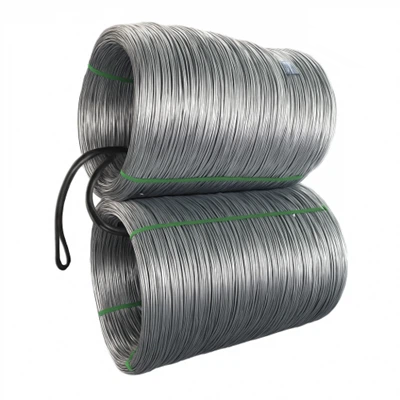
As a supplier of 304 stainless steel wire, I understand the importance of ensuring the quality of our products. In this blog post, I will share some effective methods to detect the quality of 304 stainless steel wire, which can be useful for both suppliers and customers.
1. Visual Inspection
The first step in detecting the quality of 304 stainless steel wire is a visual inspection. High - quality 304 stainless steel wire should have a smooth and uniform surface. Any visible cracks, scratches, or pits can indicate poor quality. The wire should also have a consistent color. A dull or uneven color may suggest impurities or improper heat treatment.
When looking at the wire, pay attention to the diameter. The diameter should be consistent throughout the length of the wire. Deviations in diameter can affect the performance of the wire in applications such as weaving or spring - making.
2. Chemical Composition Analysis
The chemical composition of 304 stainless steel is a key factor in determining its quality. 304 stainless steel typically contains approximately 18 - 20% chromium and 8 - 10.5% nickel. These elements contribute to the corrosion resistance and strength of the steel.
There are several methods to analyze the chemical composition. One common method is the use of a handheld X - ray fluorescence (XRF) analyzer. This device can quickly and non - destructively measure the elemental composition of the wire. By comparing the measured values with the standard composition of 304 stainless steel, we can determine if the wire meets the quality requirements.
Another method is wet chemical analysis. This involves taking a sample of the wire and dissolving it in appropriate chemicals. The resulting solution is then analyzed using various techniques such as titration or atomic absorption spectroscopy. Although wet chemical analysis is more accurate, it is also more time - consuming and requires specialized laboratory equipment.
3. Mechanical Property Testing
Mechanical properties such as tensile strength, yield strength, and elongation are important indicators of the quality of 304 stainless steel wire.
Tensile strength testing is conducted by pulling a sample of the wire until it breaks. The maximum force applied during the test is the tensile strength. A high - quality 304 stainless steel wire should have a sufficient tensile strength to withstand the forces it will encounter in its intended application.
Yield strength is the stress at which the wire begins to deform plastically. This property is important for applications where the wire needs to maintain its shape under load. Elongation, on the other hand, measures the ability of the wire to stretch before breaking. A higher elongation indicates better ductility.


These mechanical properties can be tested using a universal testing machine. The results of these tests can help us determine if the wire is suitable for specific applications.
4. Corrosion Resistance Testing
One of the main advantages of 304 stainless steel is its corrosion resistance. To test the corrosion resistance of the wire, we can use several methods.
The salt spray test is a common method. In this test, the wire is exposed to a salt - water mist for a specified period of time. After the test, the wire is examined for signs of corrosion, such as rust or pitting. The longer the wire can withstand the salt - water mist without significant corrosion, the better its corrosion resistance.
Another method is the immersion test. The wire is immersed in a corrosive solution, such as a sulfuric acid solution, for a certain period. The weight loss of the wire after the immersion can be used to evaluate its corrosion resistance.
5. Comparison with Standards
It is essential to compare the test results of the 304 stainless steel wire with relevant industry standards. For example, ASTM (American Society for Testing and Materials) has established standards for the chemical composition, mechanical properties, and other aspects of 304 stainless steel. By comparing our test results with these standards, we can ensure that our products meet the required quality levels.
Related Products
In addition to 304 stainless steel wire, we also offer other types of stainless steel wire, such as 420 - stainless Steel Wire, 316L Stainless Steel Wire, and 316 Stainless Steel Spring Wire. Each type of wire has its own unique properties and applications.
Conclusion
Detecting the quality of 304 stainless steel wire is a comprehensive process that involves visual inspection, chemical composition analysis, mechanical property testing, corrosion resistance testing, and comparison with standards. As a supplier, we are committed to providing high - quality 304 stainless steel wire to our customers. If you are interested in purchasing our products or have any questions about the quality of 304 stainless steel wire, please feel free to contact us for further discussion.
References
- ASTM International. ASTM standards for stainless steel.
- ASM Handbook Committee. ASM Handbook Volume 1: Properties and Selection: Irons, Steels, and High - Performance Alloys.